THE HONEYMOOON EDIT
The Event
Six places where the landscape does something to you before you've set down your bags — and a hotel built to hold that feeling for the rest of the stay.
Six places where the landscape does something to you before you've set down your bags — and a hotel built to hold that feeling for the rest of the stay.
Most honeymoons build toward something — a feeling that accumulates over days, earned slowly. These six work the other way around. Here, the moment of arrival is the event itself: a caldera appearing around a cliff road, a glass facade rising out of an ancient lava field, a waterfall audible before it's visible. The destinations in this edit were chosen for that specific quality — landscapes and structures dramatic enough to register instantly, without context, without explanation. The rest of the stay is not about building toward the moment. It's about learning to live inside one that already happened the second you arrived.
What the hotels here share is a refusal to compete with their own settings. Each was built — or rebuilt — with the understanding that the site itself is the architecture's real subject: a caldera, a boulder field, a national park, a coral sea. Some accommodate children alongside couples; others don't, and we've said so plainly rather than implying otherwise. What none of them do is waste the view. Every one of these six properties earns its place by getting out of the way of something the world was already doing spectacularly well before the hotel arrived.
Grace Hotel, Auberge Resorts Collection

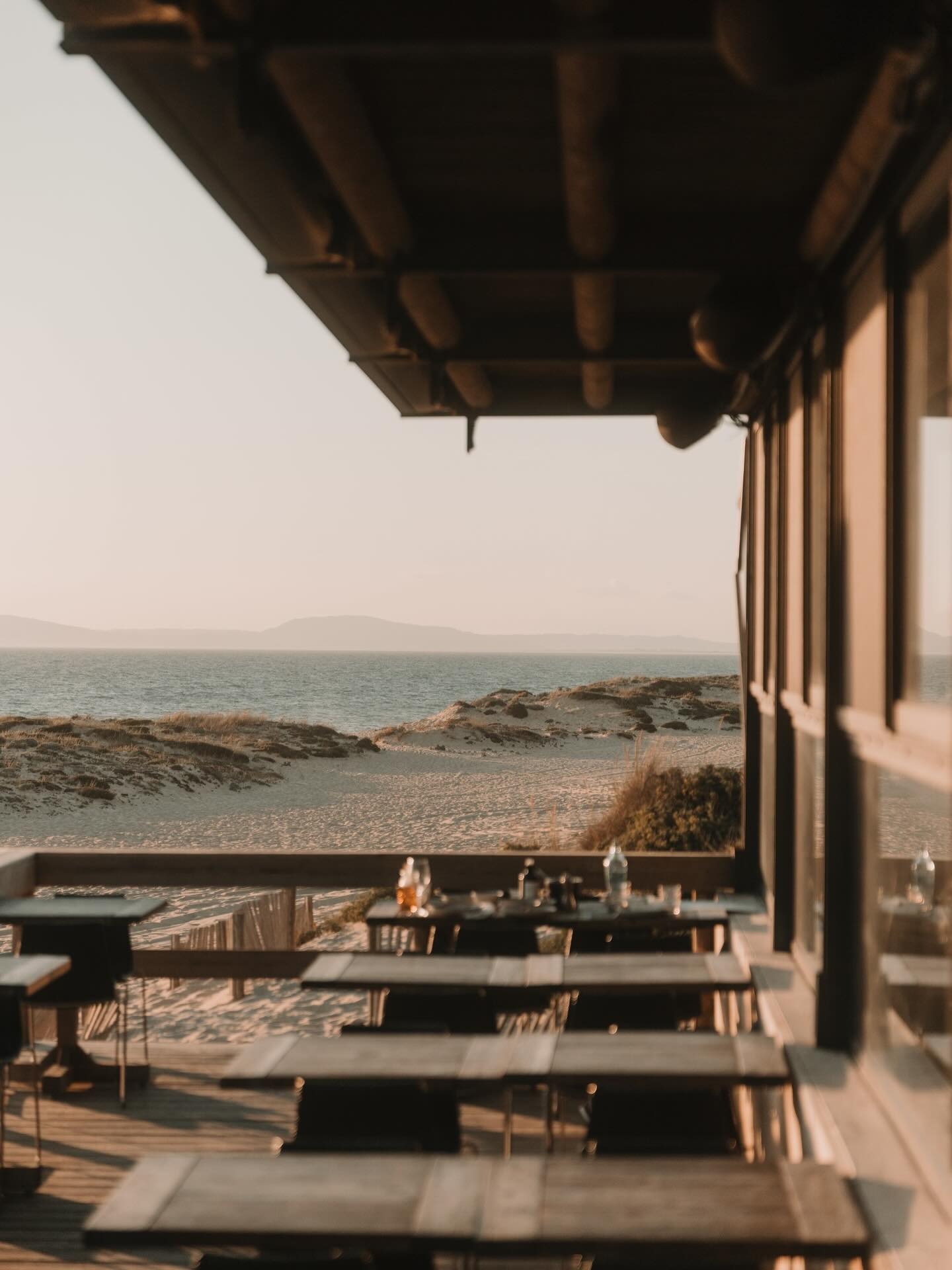
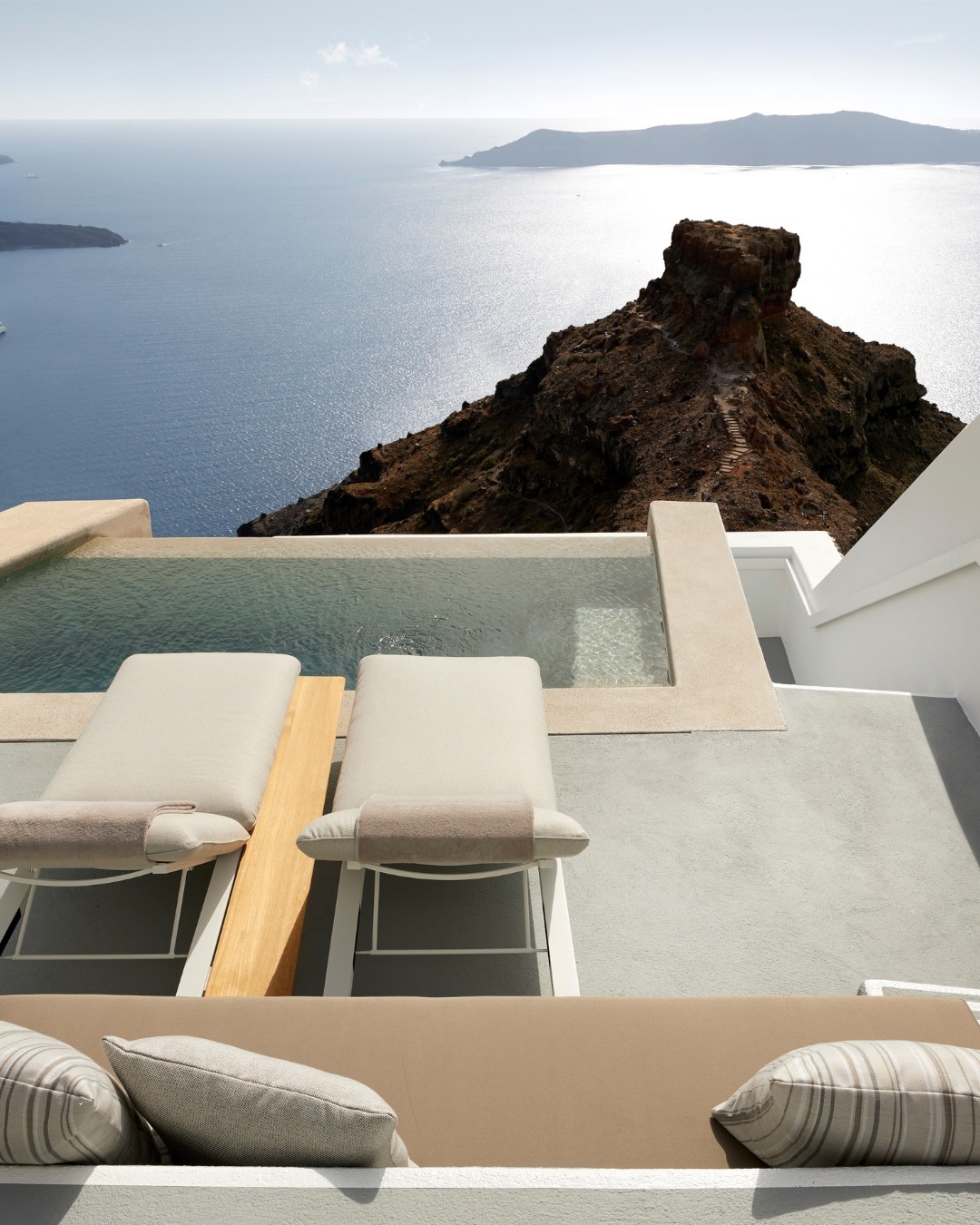
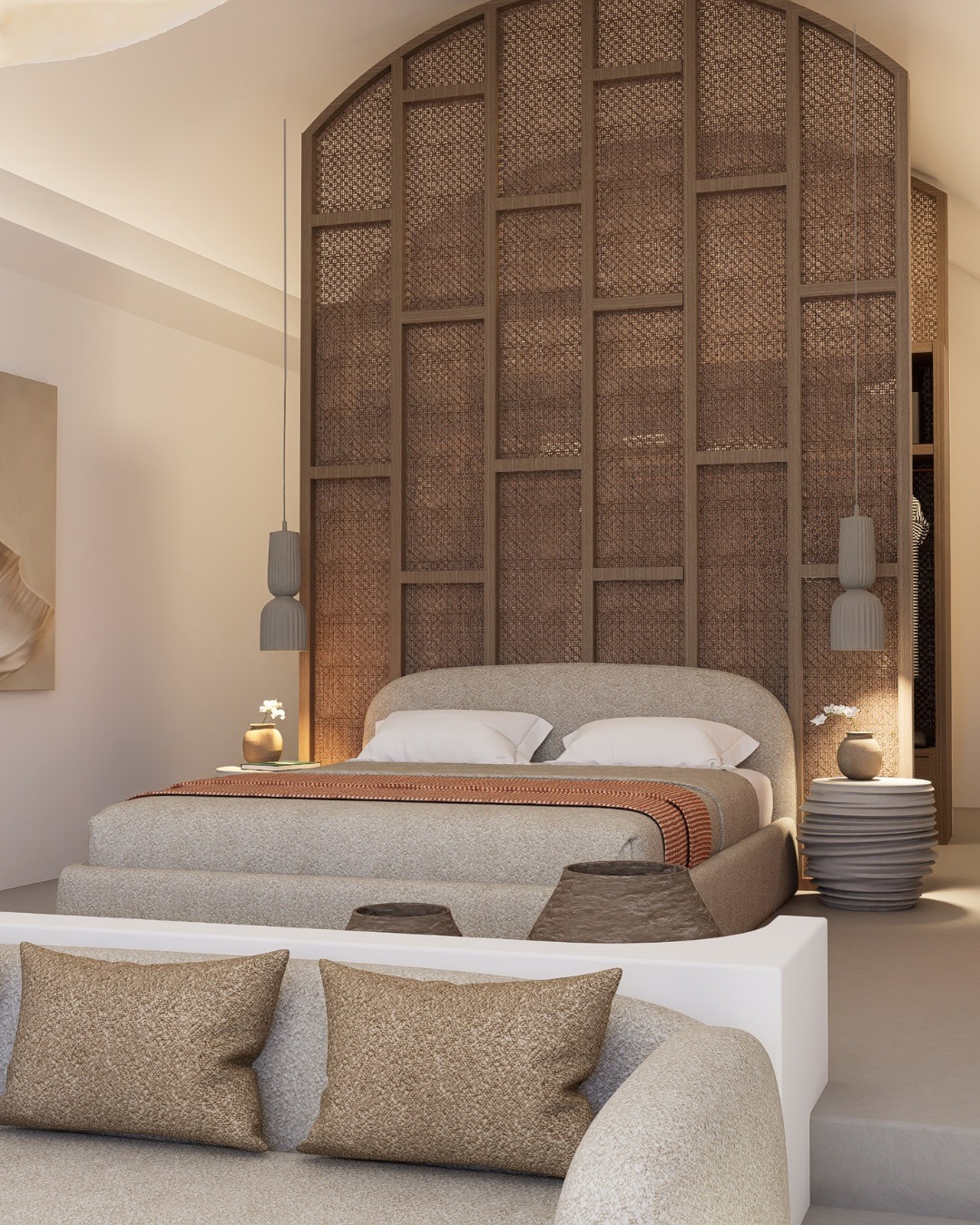
Perched on the cliff edge at Imerovigli, the highest point on the caldera rim, Grace Hotel does not ease you into the view — it simply hands it to you, in full, the moment you step onto the terrace. Skaros Rock rises unobstructed to one side; the volcano sits across the water in the other direction, exactly where it has been for three and a half thousand years. Just fourteen rooms and suites keep the property genuinely intimate, a rarity in a village built almost entirely for spectacle. This is Santorini distilled to its essential trick: white walls, blue water, and a drop that makes the horizon feel closer than it has any right to.
Varoulko Santorini, the hotel's restaurant, is run by Michelin-starred chef Lefteris Lazarou, who built his reputation in Athens on a single, uncompromising idea — that Greek seafood deserves the same precision as anything coming out of Paris or Copenhagen. The infinity pool appears to spill directly into the Aegean from certain angles, an illusion the architects clearly understood and exploited without apology. Sunset here is not a recommendation; it is the entire reason Imerovigli exists as a village. Fourteen rooms means the terrace rarely feels crowded, even at the hour when every other clifftop in Santorini fills with cameras.
ADULTS-ONLY PROPERTY
MICHELIN-STARRED DINING
CALDERA-EDGE INFINITY POOL
14 ROOMS & SUITES
UNOBSTRUCTED SKAROS ROCK VIEWS
PRIVATE CLIFFTOP TERRACE ACCESS
Late May through June and September through early October offer Santorini at its most navigable — warm enough for the pool, cool enough for the hiking trail to Oia, and noticeably quieter than the peak summer crush. July and August bring the island's full energy and its full crowds; book the terrace tables early if travelling in this window. The caldera's defining sunset works on its own schedule regardless of season — clear skies are the only real requirement. Four nights is enough to settle into Imerovigli's rhythm, with at least one full day reserved for the walk to Oia along the caldera path.
Aman Rosa Alpina
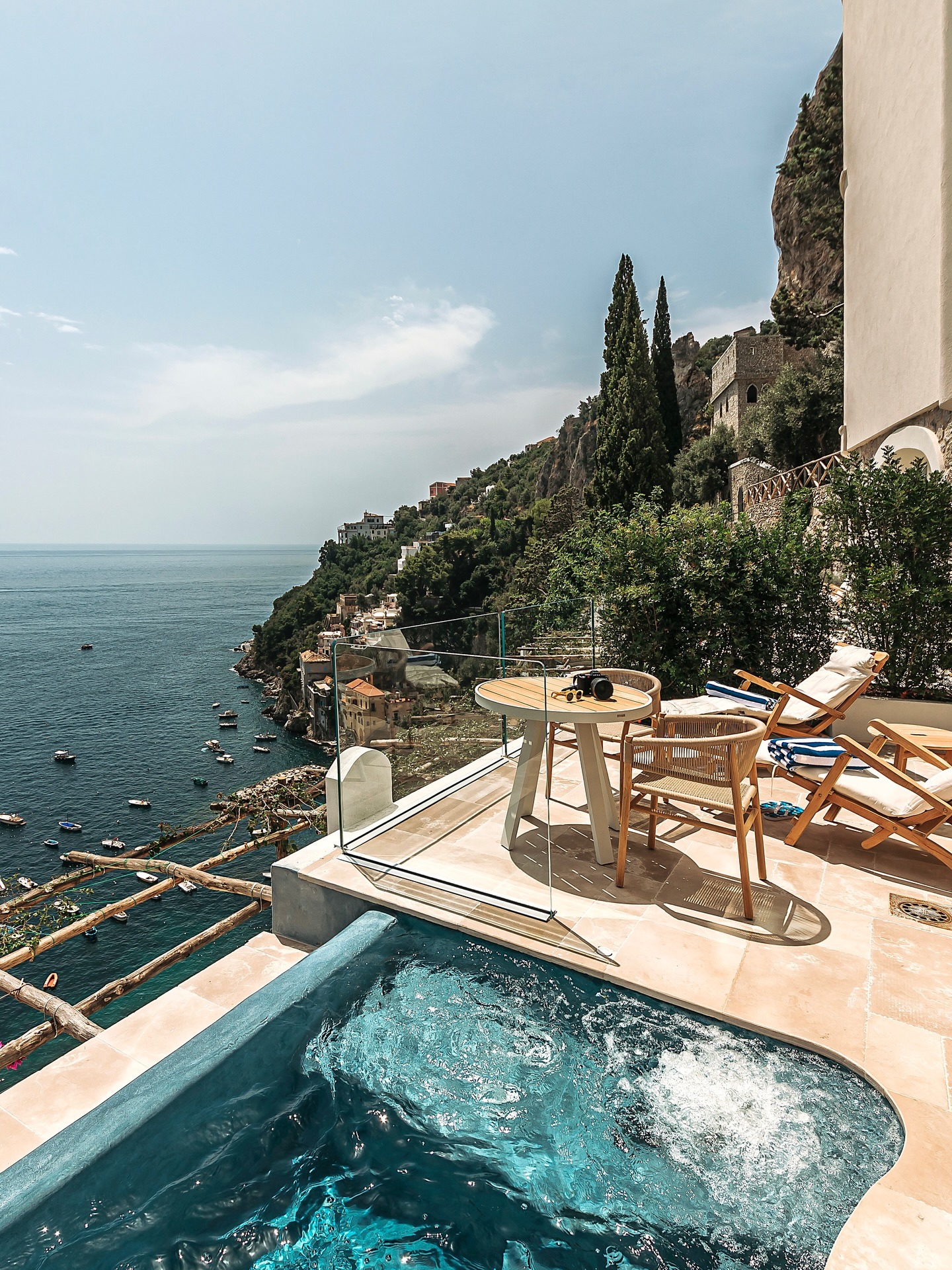

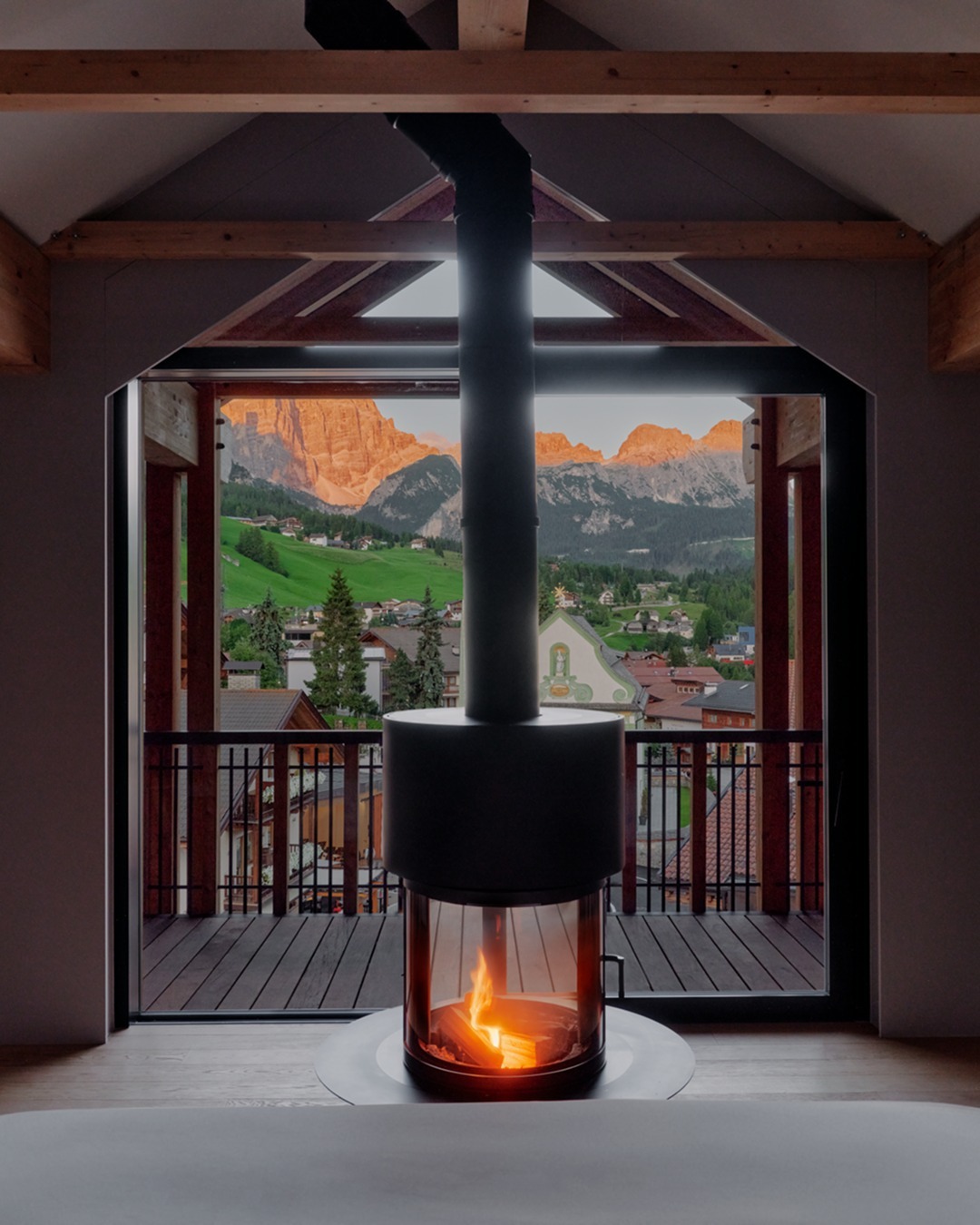
San Cassiano's village hotel since 1850, rebuilt from the foundations up and reopened in July 2025 as a fully-fledged Aman, with interiors by longtime Aman collaborator Jean-Michel Gathy. The arrival here has nothing to do with the building and everything to do with what surrounds it: La Varella and the Conturines rising directly behind the property, jagged limestone that turns rose-pink at dusk in a phenomenon locals call the enrosadira. Three generations of the Pizzinini family ran this hotel before Aman's involvement; their presence remains, woven into a property that now operates at an entirely different register.
Fifty-one rooms and suites face either the village or the forest, with floor-to-ceiling windows that make the Dolomites peaks feel like part of the room's furniture rather than a view beyond it. Dining runs in three distinct directions: family-style Italian on The Grill's terrace, Japanese shabu shabu at Enju, and breakfast in the Heritage Room overlooking the treeline. Direct access to Dolomiti Superski's twelve hundred kilometres of pistes defines the winter season; summer opens the same terrain to hiking and cycling. The property includes designated family wellness areas alongside its adults-focused spa — a hotel built for the full range of who might arrive at this particular village, at this particular altitude.
JEAN-MICHEL GATHY DESIGN
DIRECT ACCESS TO DOLOMITI SUPERSKI
UNESCO-PROTECTED MOUNTAIN SETTING
THREE DISTINCT DINING CONCEPTS
51 ROOMS & SUITES
OUTDOOR INFINITY POOL & SPA
December through April brings the Dolomiti Superski season, with the hotel's shuttle running directly to the Piz Sorega cable car station — this is peak Dolomites, and the Milano-Cortina 2026 Winter Olympics will bring particular attention to the region this season. June through October opens the same mountains to hiking and cycling, with notably fewer visitors and the enrosadira light effect visible without snow underfoot. Four nights allows a genuine rhythm to develop, whichever season — long enough for at least one full day on the slopes or trails and one spent doing nothing but watching the peaks change colour.
ION Adventure Hotel
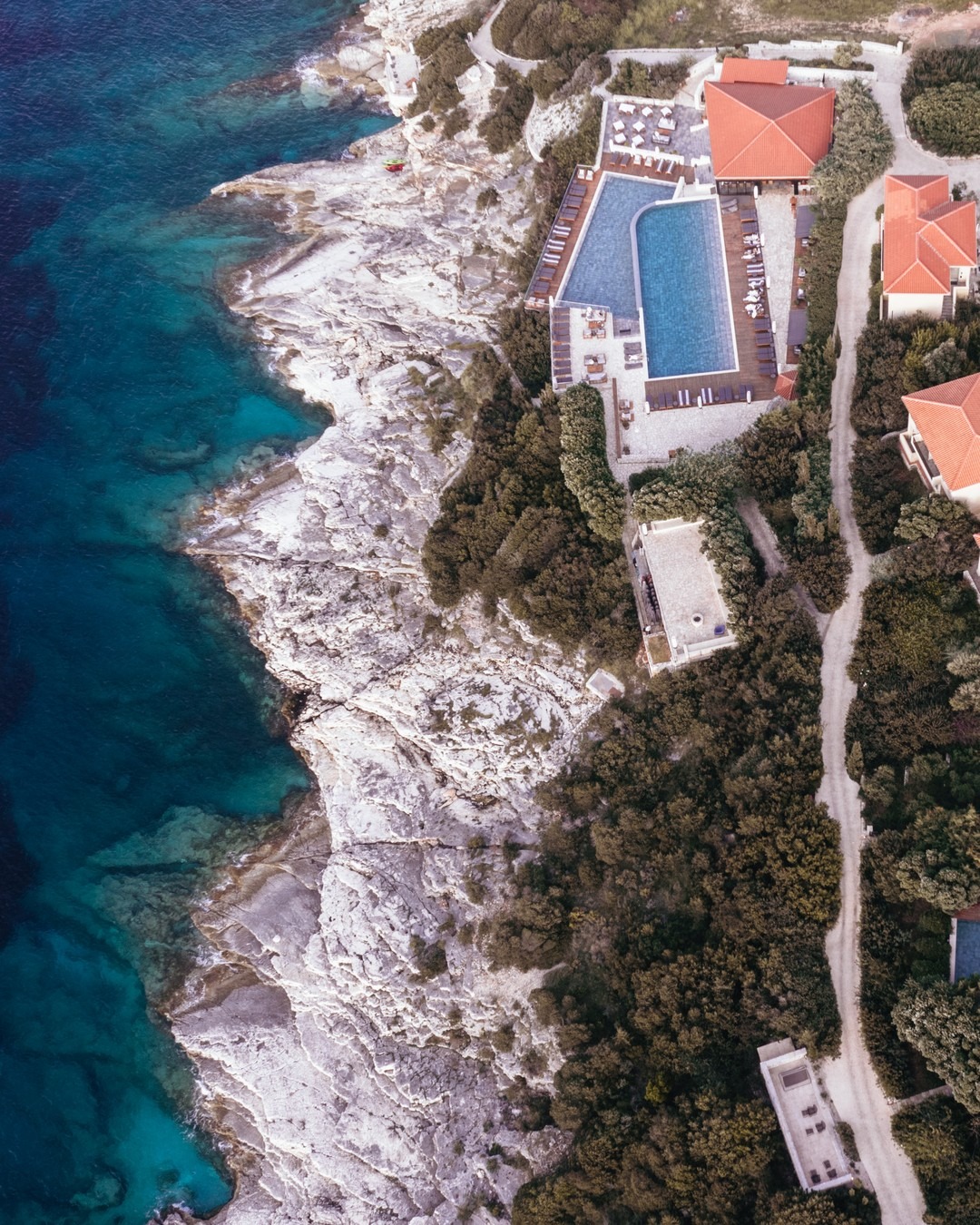
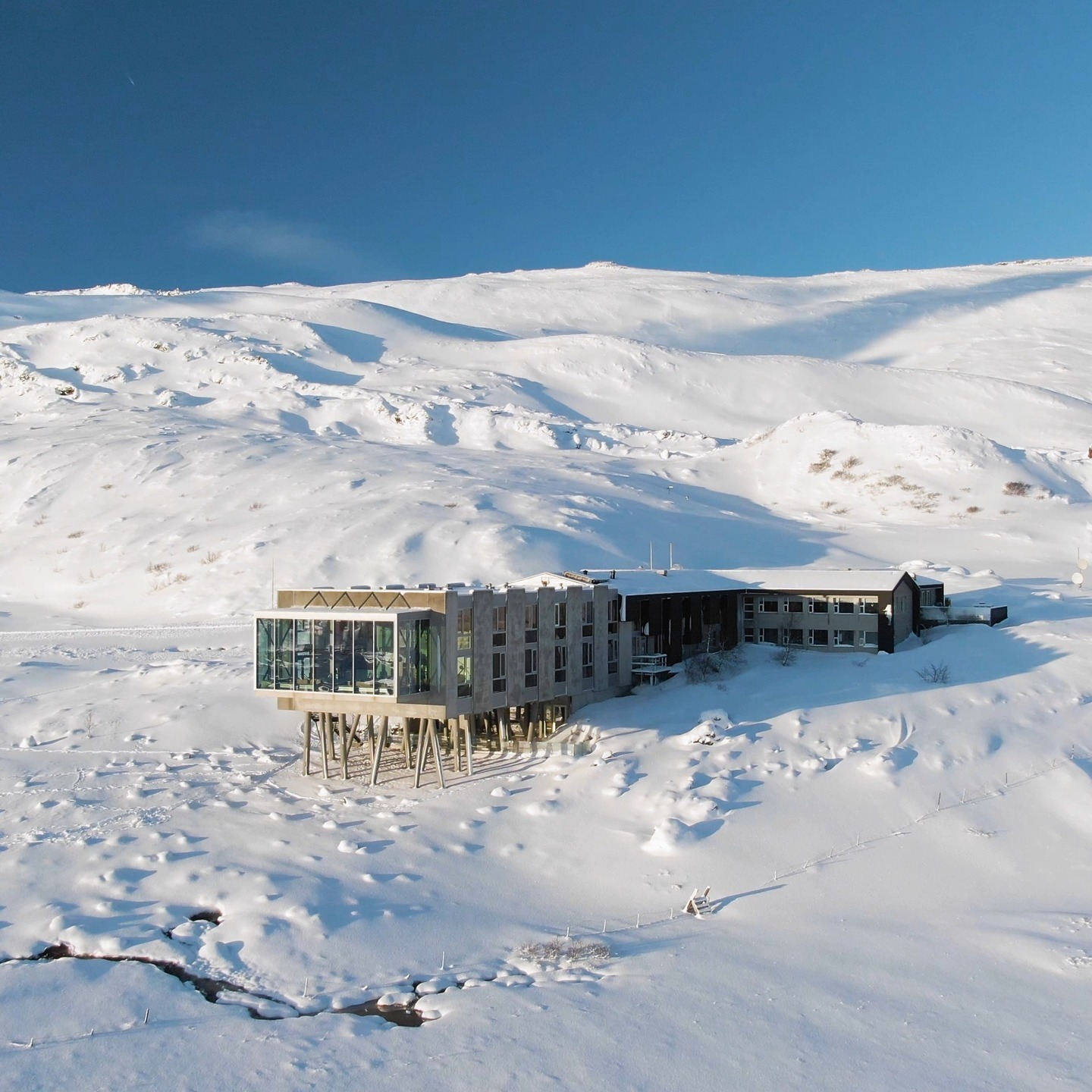
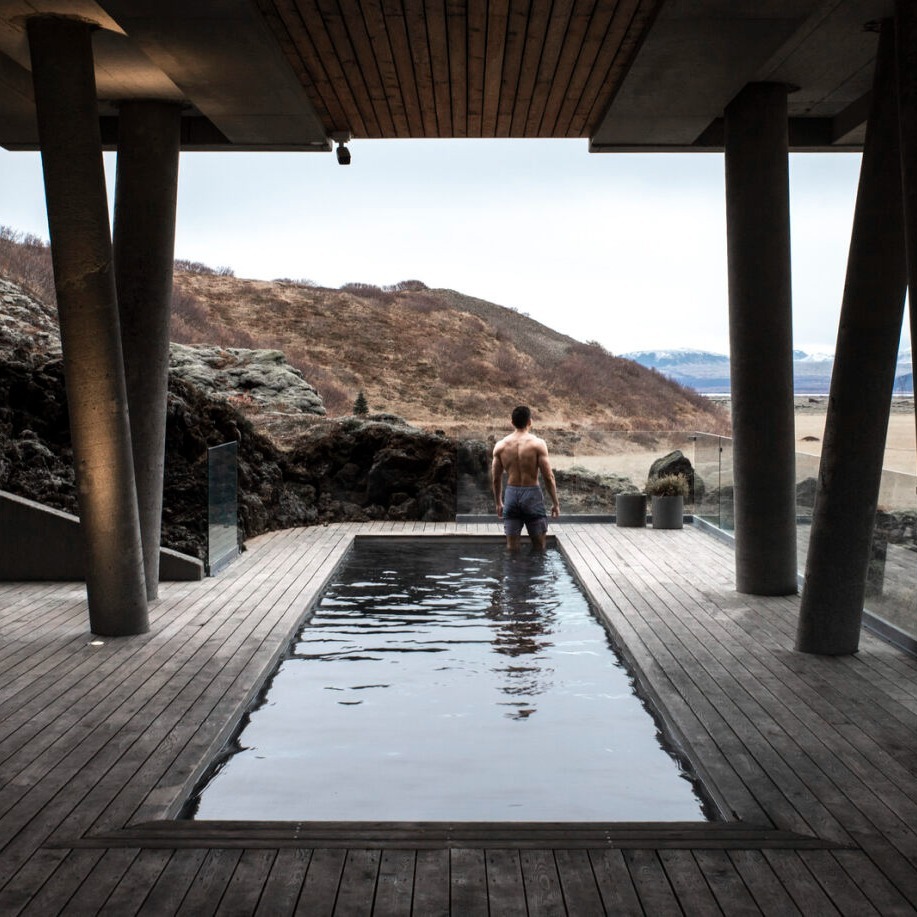
A former geothermal power plant staff building, abandoned in the 1970s and reimagined by Los Angeles studio Minarc into a structure that rises directly out of an ancient lava field at the base of Mount Hengill. There is nothing in the immediate landscape to suggest a hotel should exist here — which is precisely the point. Concrete, glass, and driftwood pulled from the surrounding terrain compose a building that reads less like architecture and more like a geological event that happened to include guest rooms. Þingvellir National Park, the UNESCO site where Iceland's tectonic plates visibly diverge, sits eighteen kilometres away.
Silfra restaurant serves New Nordic cuisine built around Arctic char and whatever the season's foraging produces, in a room with a fractured electric-blue wall that echoes the glaciers visible from the dining terrace. The Northern Lights Bar earns its name honestly — floor-to-ceiling windows face the precise stretch of dark sky where the aurora most often appears between September and April. Lava Spa runs a geothermal-heated pool and a wood-fired sauna built from stones taken from the surrounding field. Forty-five rooms keep the property genuinely boutique, a deliberate choice in a country where most luxury accommodation still defaults to scale.
DESIGN HOTELS MEMBER
UNESCO WORLD HERITAGE VINEYARD VIEWS
LAVA SPA WITH GEOTHERMAL POOL
NORTHERN LIGHTS BAR
September through April offers the strongest aurora viewing, with the bar's wall of windows facing directly into the darkest, clearest stretch of sky around the property. May through August brings the midnight sun instead — no aurora, but unbroken daylight for exploring the Golden Circle's geysers, waterfalls, and the national park itself at any hour. Iceland's weather shifts quickly regardless of season; flexible plans serve better than fixed ones. Four nights allows time for the immediate Golden Circle sights plus at least one day with no agenda beyond the spa and the lava field outside the window.
Zannier Hotels Sonop
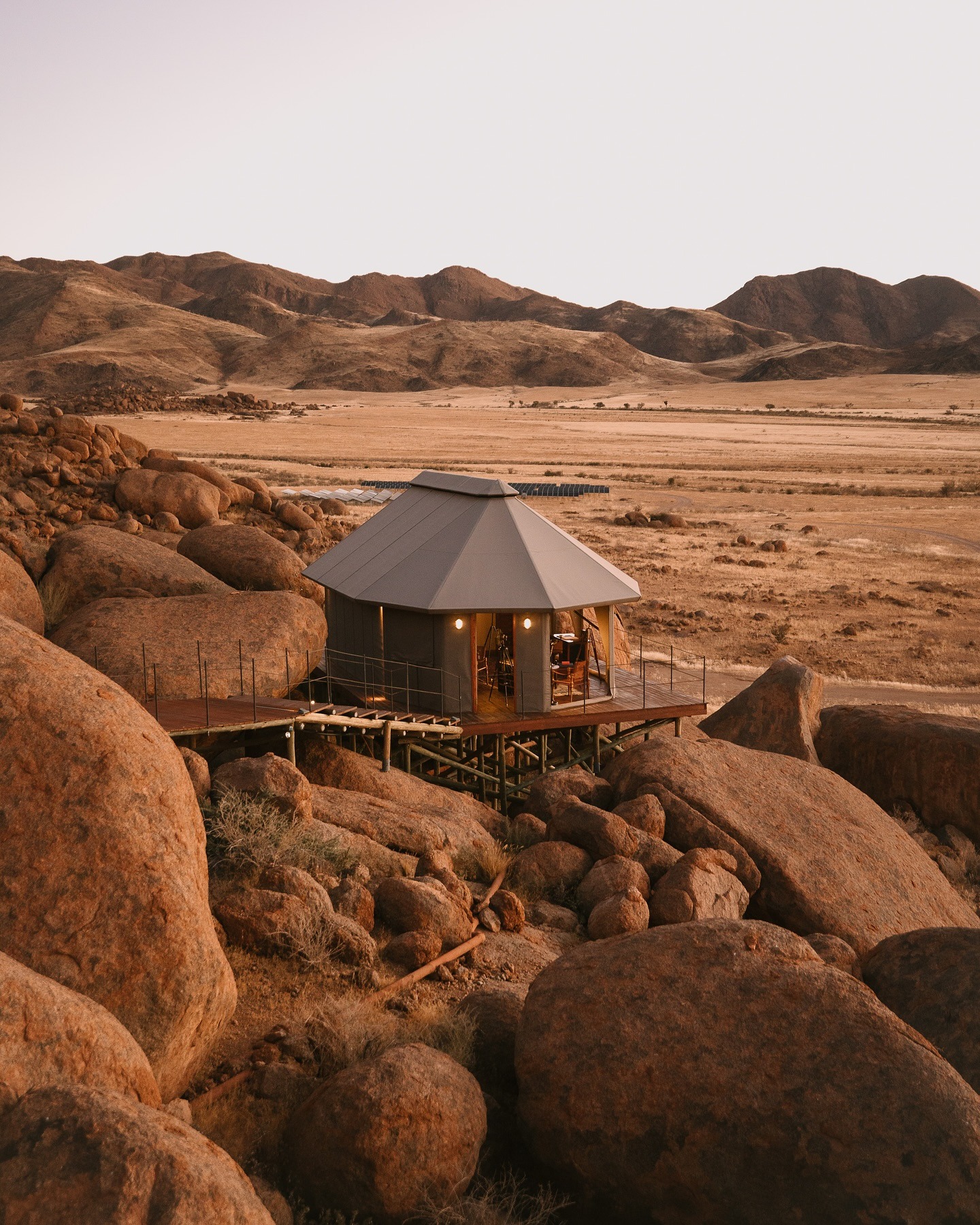
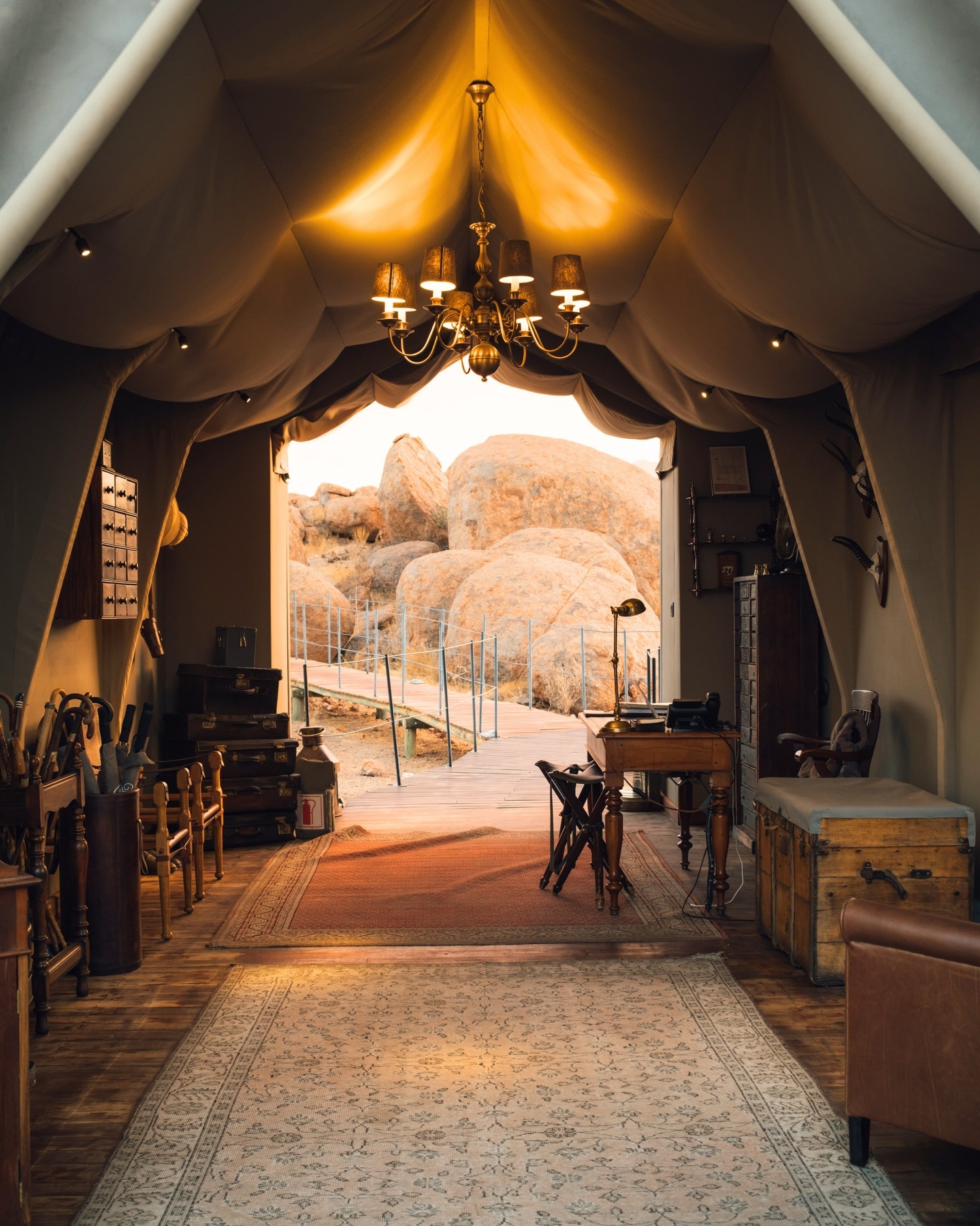
Ten tents built directly onto a field of granite boulders at the southern edge of the Namib, the world's oldest desert, inside a private 5,600-hectare reserve where the nearest town is over an hour away. The design draws on the 1920s, the era of British explorers arriving in southern Africa with steamer trunks and a determination to be comfortable regardless of where they'd landed — antique furnishings, a telescope on every private deck, a cigar lounge with a billiards table that would not look out of place in a colonial-era gentleman's club. The boulders themselves do the real work: the tents simply sit among them, raised just high enough that the desert reads as endless in every direction.
Dinner moves around the property depending on the night — breakfast on top of the Sonop Dune, five-course gala dinners under a sky with no light pollution for hundreds of kilometres in any direction, an open-air cinema where the screen competes, not always successfully, with the stars overhead. Zannier Hotels Sonop holds Three MICHELIN Keys, the only property in Namibia to receive the distinction. The infinity pool faces directly into the desert's vastness, with nothing — no fence, no structure, no other hotel — interrupting the view to the horizon. This is what isolation looks like when isolation has been treated as the entire design brief.
THREE MICHELIN KEYS
PRIVATE 5,600-HECTARE RESERVE
GALA DINING ON SONOP DUNE
INTERNATIONAL DARK SKY RESERVE
OPEN-AIR CINEMA & CIGAR LOUNGE
TEN BOULDER-BUILT TENTED SUITES
Namibia sees over three hundred days of sun annually, making the destination workable year-round. April through September brings the cooler, drier winter — daytime temperatures around twenty to twenty-five degrees, with notably cold nights worth packing for. October through March is warmer, occasionally reaching the mid-thirties by day, with clear skies that make the dark sky reserve's stargazing especially compelling. Five nights is the right minimum — long enough for a full Sossusvlei excursion to the dunes, a private game drive, and at least one entire day with nothing scheduled beyond the boulders and the horizon.
Legal Note: Namibia's High Court ruled in 2024 that colonial-era laws criminalising consensual same-sex relations between men were unconstitutional, and the laws were struck down. Same-sex marriage remains unrecognised, and the country's parliament has debated further restrictive legislation in the period since — the legal and political picture here continues to shift. Public affection beyond the property is best kept discreet. Zannier Hotels Sonop operates as a private, internationally managed reserve, and the remoteness of the setting means the question rarely arises in practice; the property receives all guests without reservation.
qualia
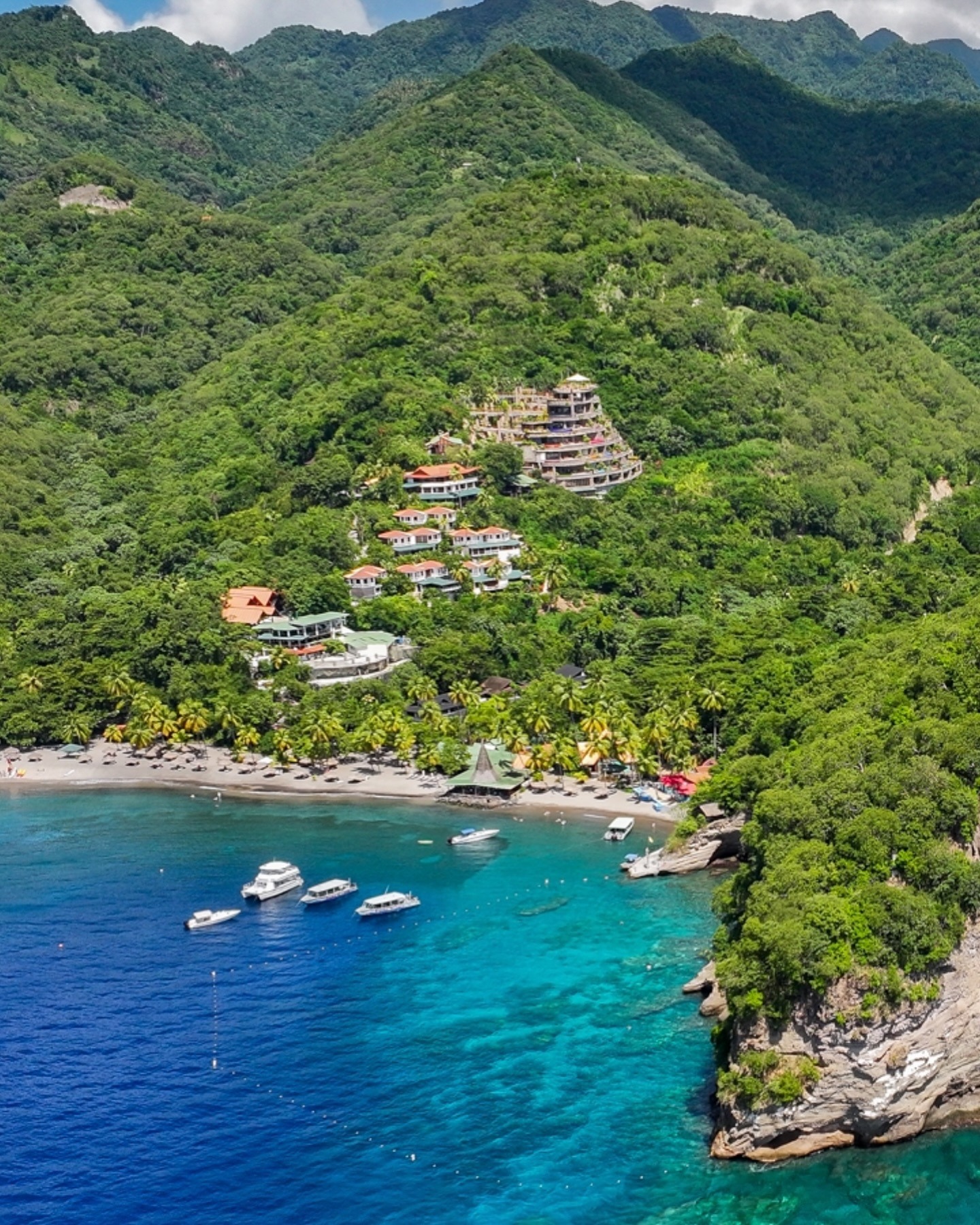
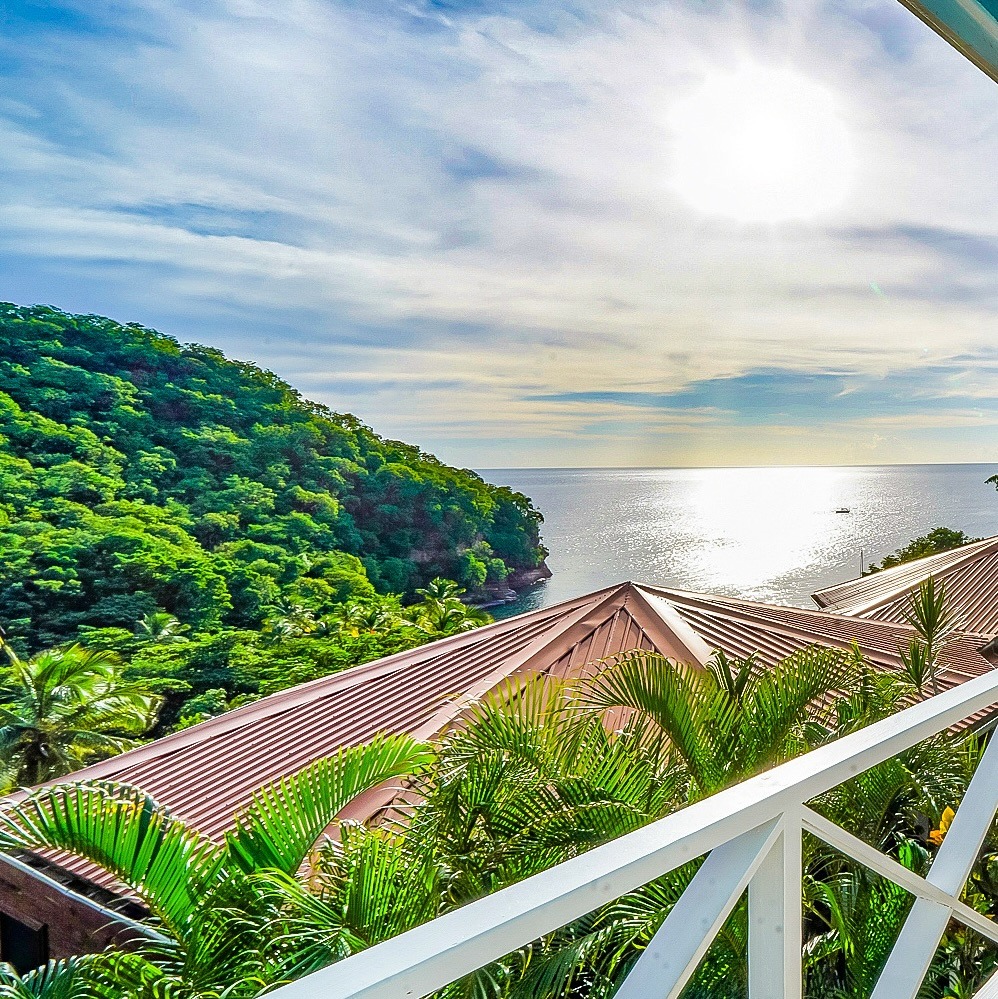
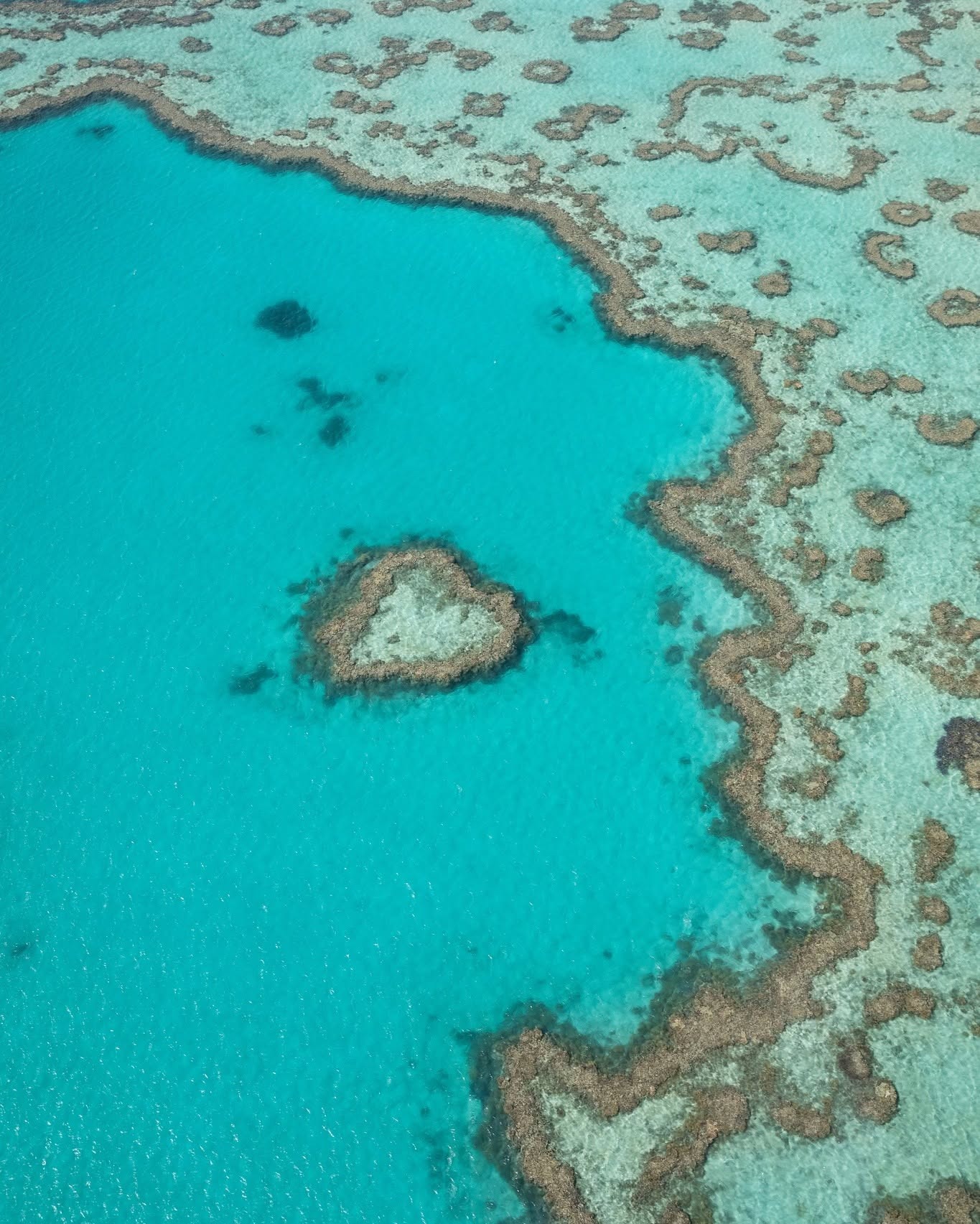
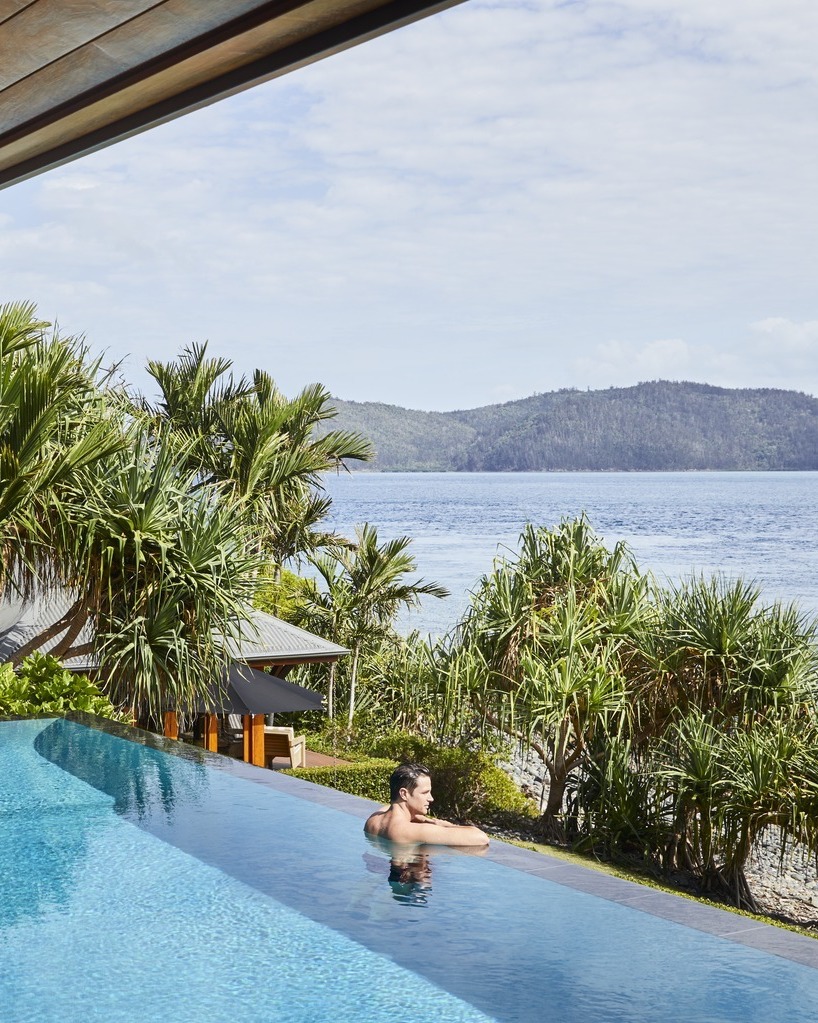
The arrival sequence at qualia happens twice — once on the ground, stepping into sixty pavilions scattered through thirty acres of native bushland on Hamilton Island's northernmost tip, and again from the air, on the helicopter transfer out to Heart Reef, a naturally heart-shaped coral formation visible only from above. Most resorts treat their setting as a backdrop; qualia treats the Great Barrier Reef as the actual point, with the property itself built to disappear into eucalyptus and stone rather than compete with the Coral Sea spread out beyond it. Strictly adults-only, sixteen and over, with no exceptions made for property buyouts.
Windward pavilions come with private plunge pools facing the Coral Sea; the two-bedroom Beach House adds its own twelve-metre infinity pool and a private guest house, for travellers who want the property's full privacy rather than its standard version. Long Pavilion restaurant sits high among eucalyptus trees with sweeping Whitsunday views, while Pebble Beach handles informal lunches at the water's edge, guests only. The Journey to the Heart helicopter tour pairs a Whitehaven Beach landing with a private pontoon stop at the reef itself — the kind of single experience that justifies the whole trip on its own. Spa qualia runs treatments built around Australian native ingredients, set just far enough from the main pavilions to stay genuinely quiet.
STRICTLY ADULTS-ONLY
JOURNEY TO THE HEART HELICOPTER TOUR
60 PAVILIONS, PRIVATE PLUNGE POOLS
TWO RESTAURANTS, REEF-TO-TABLE DINING
DIRECT ACCESS TO GREAT BARRIER REEF
SPA QUALIA, AUSTRALIAN NATIVE TREATMENTS
June through October brings the Whitsundays' dry season — clear skies, comfortable temperatures, and the best underwater visibility for snorkelling and diving on the outer reef. November through March is the wet season; the islands stay green and the resort remains fully operational, though stinger season requires protective swimwear for ocean swimming beyond the pools. The Heart Reef helicopter tour depends on clear weather and is worth building flexibility around rather than fixing to a single day. Five nights allows for the reef excursion, a full day on Whitehaven Beach, and enough unstructured time that the pavilion itself starts to feel less like a hotel room and more like where you live now.
Hotel das Cataratas, A Belmond Hotel
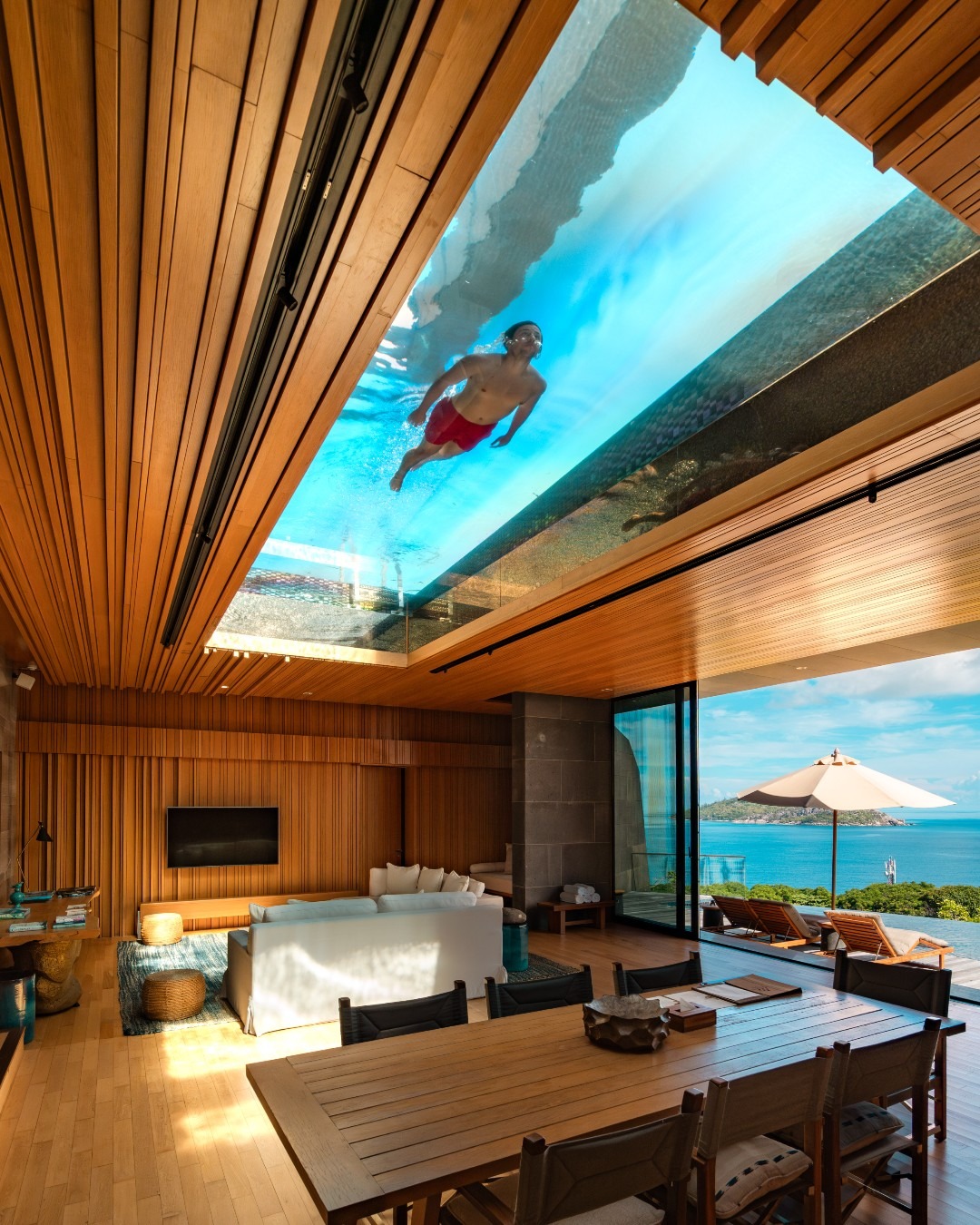

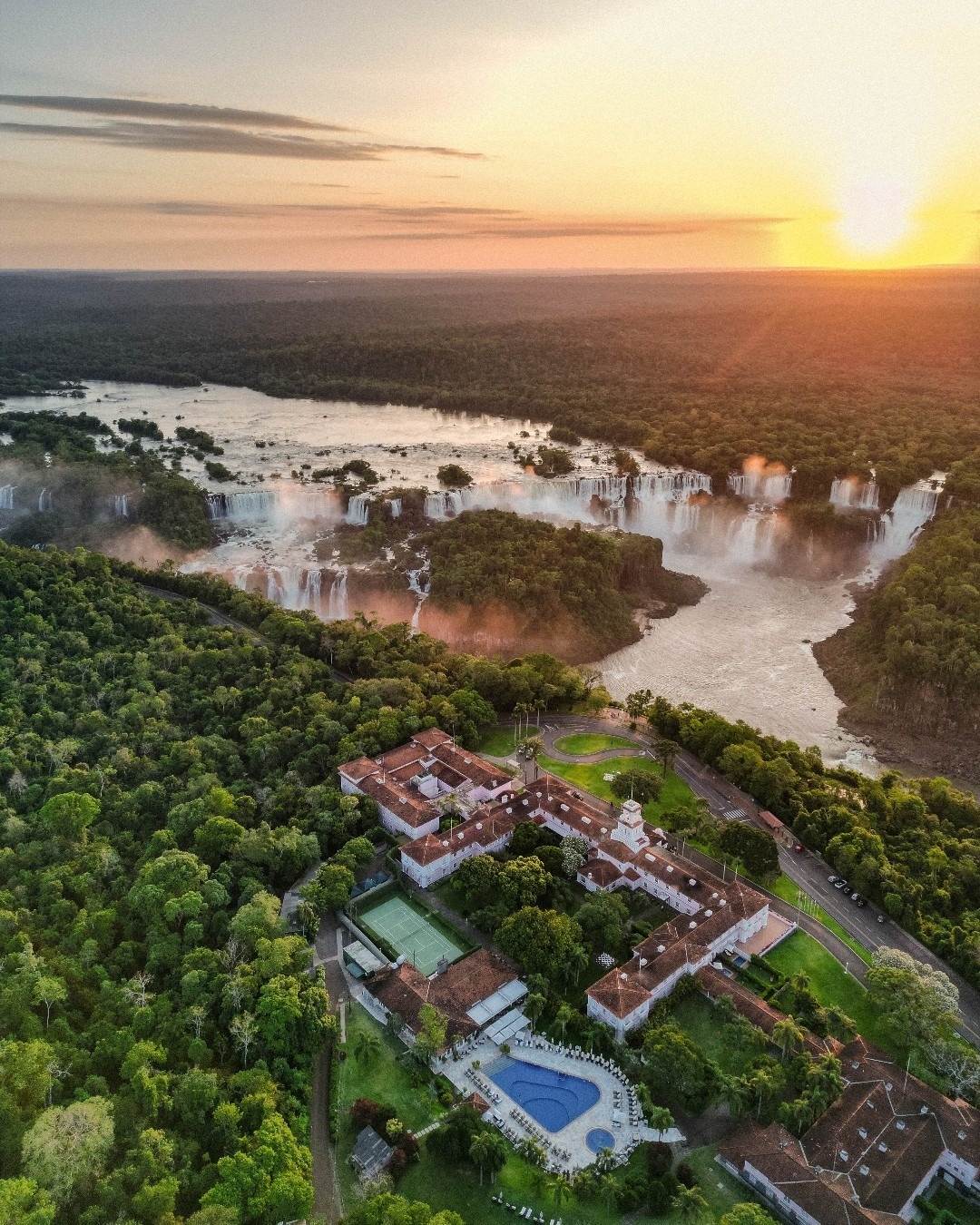
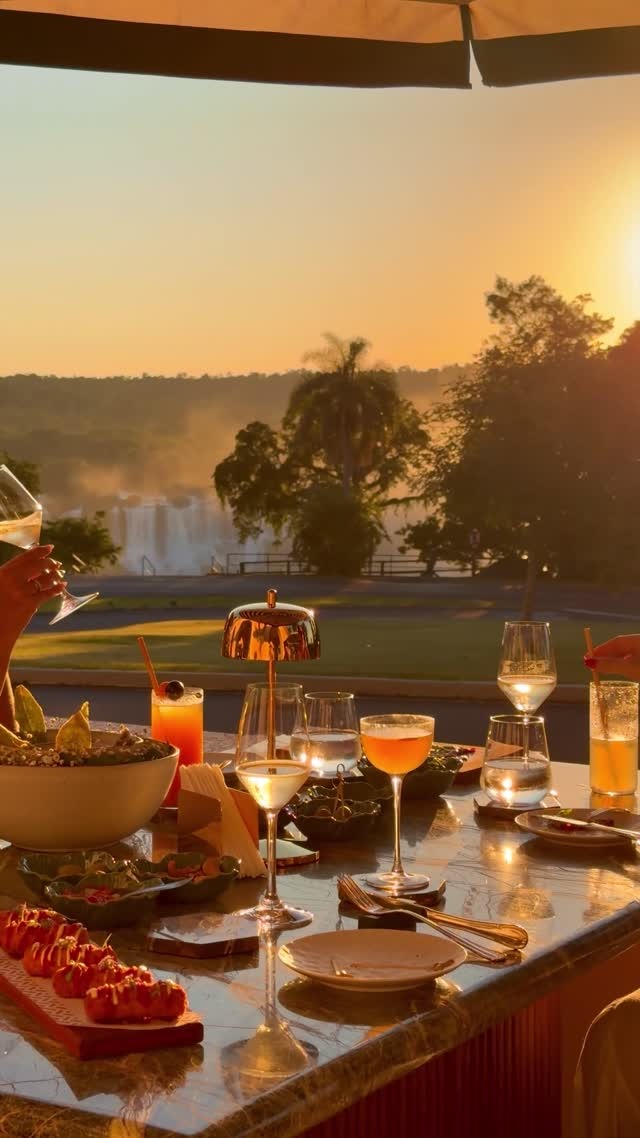
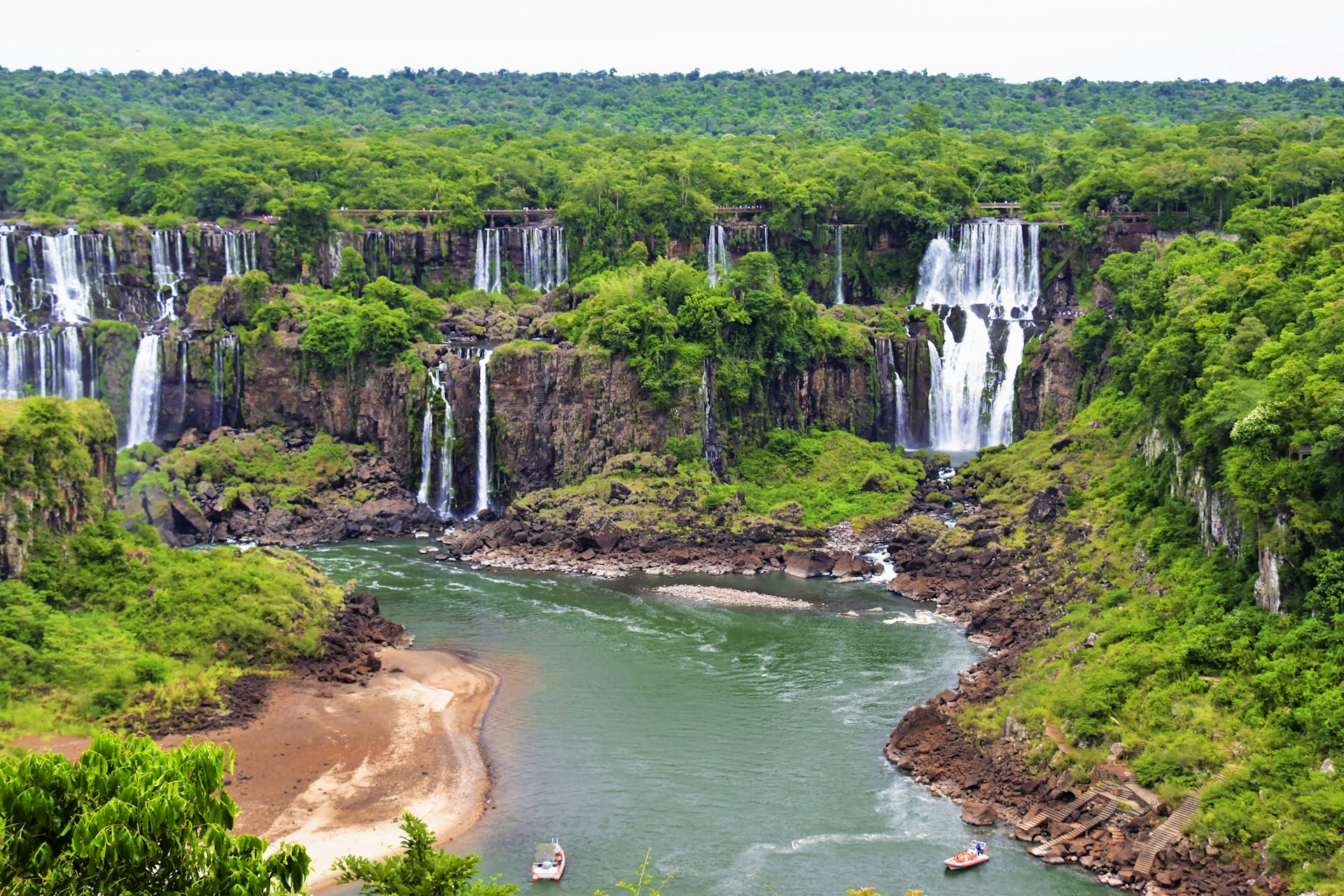
The only hotel built inside Brazil's Iguaçu National Park, close enough to the falls that the sound reaches the property before any view does — a low roar that builds for the entire two-minute walk from the rose-pink colonial facade to the first viewing platform. Iguaçu is wider than Niagara and taller than Victoria Falls, a horseshoe of two hundred and seventy-five individual cascades spread across nearly three kilometres of Atlantic rainforest. Guests staying inside the park gain access before the gates open to day visitors and after they close in the evening — a version of the falls that almost nobody else gets to see, without the crowds that define the daytime experience.
Portuguese colonial architecture, restored to its original grandeur, houses a hundred and seventy-six rooms decorated with paintings of local flora and fauna by Brazilian artist Ludmilla de Montes. Itaipu Restaurant works in Brazilian-international register; Ipê Grill handles a poolside churrascaria; Bar Tarobá serves a Devil's Throat cocktail named for the most powerful section of the falls, audible from the bar's outdoor veranda. Cataratas Spa sits between the rainforest and the cascades, close enough that the sound of falling water becomes part of every treatment. The hotel's gardens, thick with orchids and fed by the falls' own spray, make the short walk back from the viewing platforms feel like a second arrival rather than a return.
ONLY HOTEL INSIDE IGUAÇU NATIONAL PARK
PRE- AND POST-HOURS FALLS ACCESS
176 ROOMS, PORTUGUESE COLONIAL DESIGN
CATARATAS SPA & THREE DINING VENUES
HELICOPTER VIEWS AVAILABLE ON REQUEST
TENNIS COURT & HEATED POOL
May through September is Iguaçu's dry season — lower water levels mean better visibility of the falls' individual cascades, alongside more comfortable temperatures for the rainforest walks. October through April brings the rainy season and significantly higher water volume; the falls become more dramatic and louder, though some lower viewing trails can close temporarily during peak flow. The early-morning park access, available only to hotel guests, is worth prioritising regardless of season — the light and the absence of crowds make it the single best hour to experience the falls. Three nights covers both the Brazilian and Argentine sides at an unhurried pace, with the hotel's pre-hours access reserved for the first morning.
YOU BELONG EVERYWHERE.
© 2026 OUTINRY.