THE HONEYMOOON EDIT
Remote · Private
Six places reached by small plane, private guide, or nothing faster than a boat — chosen because distance, here, is not an obstacle but the entire proposition.
Six places reached by small plane, private guide, or nothing faster than a boat — chosen because distance, here, is not an obstacle but the entire proposition.
There is a particular kind of honeymoon that asks for total absence — no other guests within view, no town to retreat to, no signal pulling either of you back toward the life you have just stepped out of. The destinations in this edit were chosen for that specific quality: not simply far away, but structurally remote, built so that arrival itself becomes part of the experience and isolation becomes the amenity rather than the inconvenience. A twenty-minute flight to a private atoll. A 4WD assigned to your villa for the length of your stay. A light aircraft over wetland that no road will ever reach. Each property exists because somebody decided that this particular nowhere was worth the effort of building something extraordinary in it.
What unites the six hotels here is not geography but intention — each was conceived as a destination unto itself, not a base for exploring somewhere else. None of them are close to anything. That is, precisely, the point. Where they differ is in register: from the architectural restraint of a private Polynesian atoll to the rough-edged grandeur of Patagonian steppe, from Arctic silence above the 69th parallel to a private guide and vehicle assigned for the length of a Chilean stay. Each is a study in what happens when a couple is given nothing to do but be exactly where they are.
The Brando

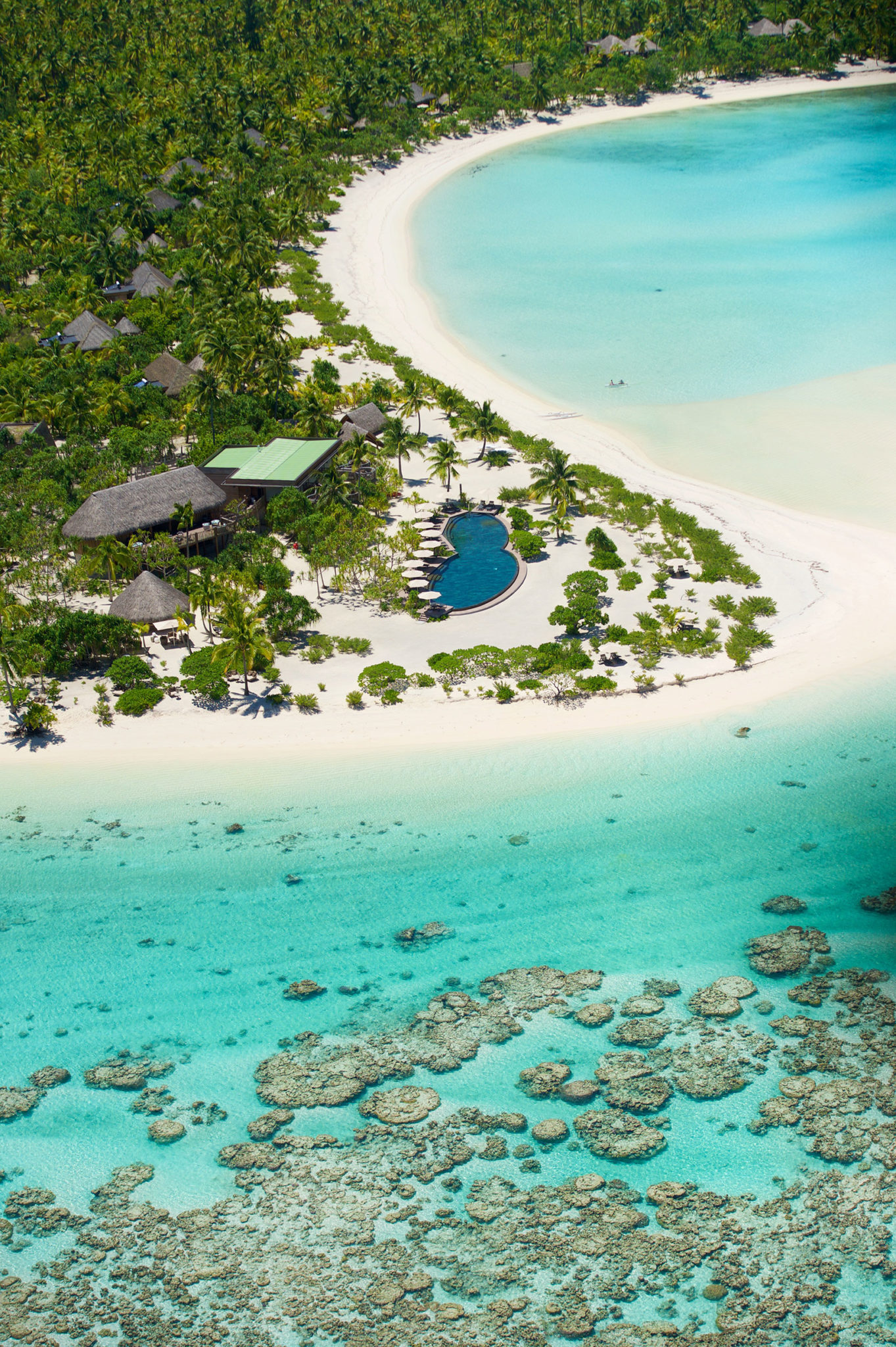
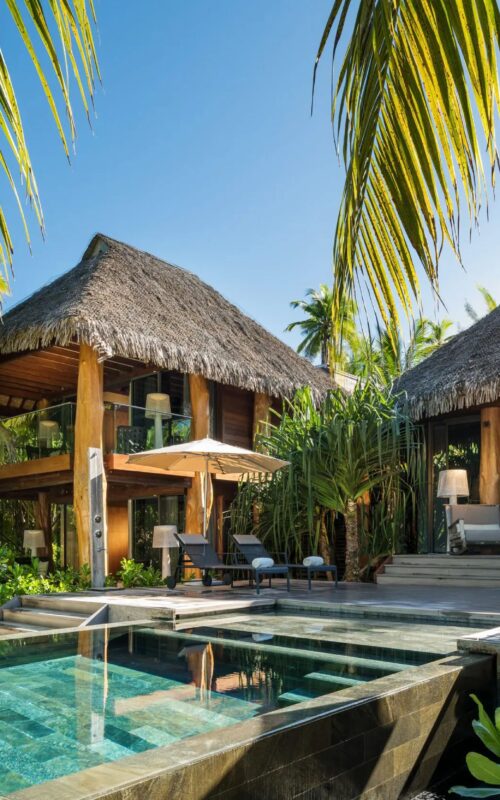
Marlon Brando's private atoll, thirty miles north of Tahiti and reachable only by the resort's own twenty-minute flight from Papeete — a constellation of motu encircling a lagoon so clear it renders the concept of a horizon line almost theoretical. Thirty-five villas, each with its own pool and stretch of private beach, set back into the palms with enough distance between them that another guest is something you hear about rather than see. The island is entirely energy-independent: solar panels and deep seawater cooling power a resort built explicitly to leave no mark on the place it occupies.
There is nowhere on Tetiaroa to be other than where you are, which is the entire design intention. Three restaurants run by a Michelin-starred chef move between Polynesian, French, and Japanese registers without ever needing to compete for attention, since there is no other restaurant on the atoll to compete with. The Varua Polynesian Spa sits over a freshwater lily pond reached by a wooden walkway through the trees. A research station run by the Tetiaroa Society, dedicated to coral and seabird conservation, sits a short walk from the villas — a reminder that this particular paradise comes with a working conscience attached.
THREE RESTAURANTS BY A MICHELIN CHEF
VARUA POLYNESIAN SPA
PRIVATE PLUNGE POOL PER VILLA
100% SOLAR-POWERED ISLAND
TETIAROA SOCIETY RESEARCH STATION
PRIVATE BEACH PER VILLA
May through October is French Polynesia's dry season — lower humidity, calmer lagoon waters, and the best conditions for snorkelling the outer reef. November through April brings more rain and higher humidity, though storms are typically brief and the atoll's seclusion means crowds are never a concern regardless of season. Note that the resort closes annually for maintenance from 11 January to 11 February. It has never been illegal to be gay in French Polynesia, and the resort's isolation means the question barely arises. Five nights minimum — the flight alone signals that this is not a stop on a longer itinerary, and the stillness takes at least two days to properly land.
The Lindis Lodge
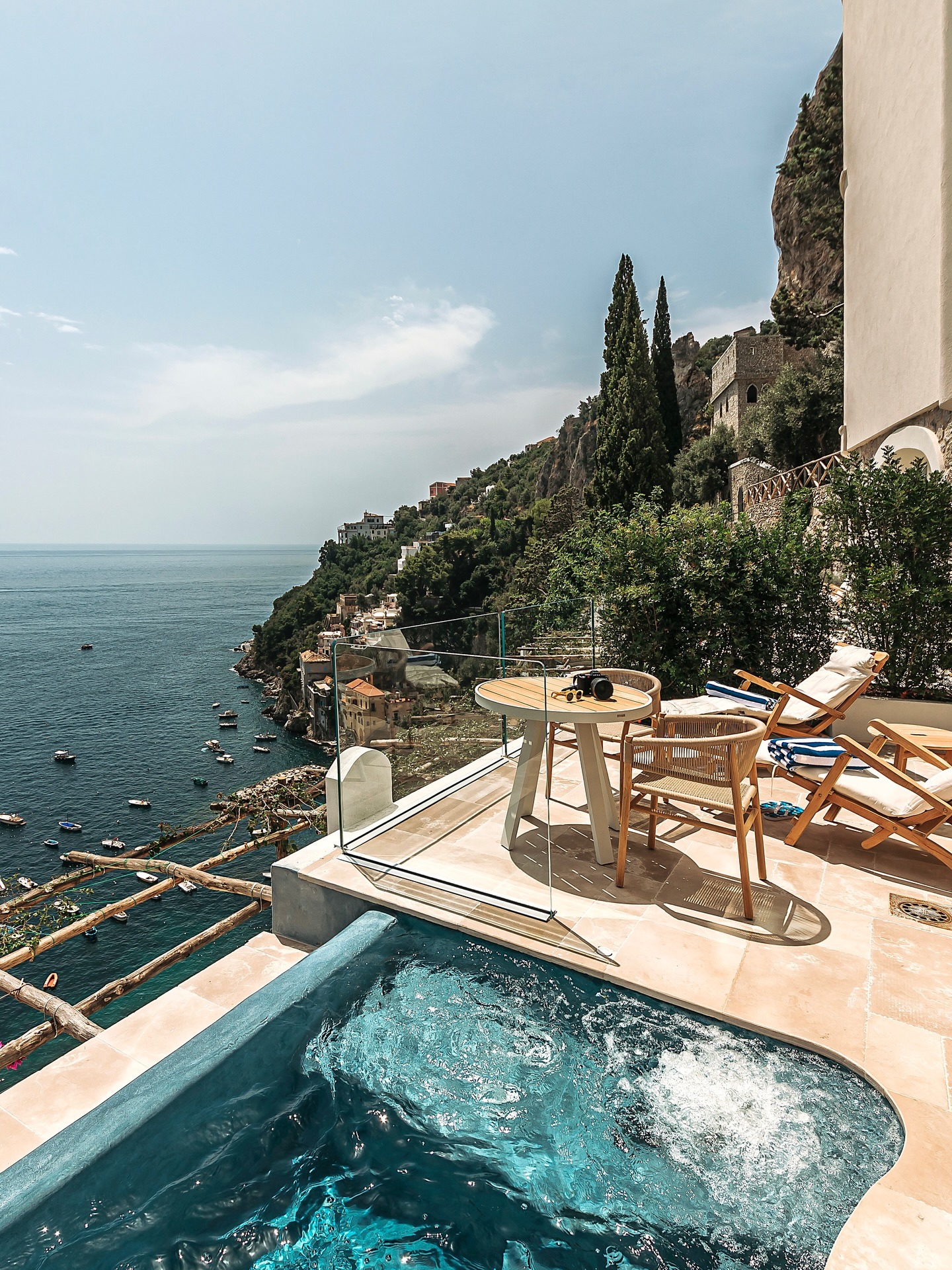
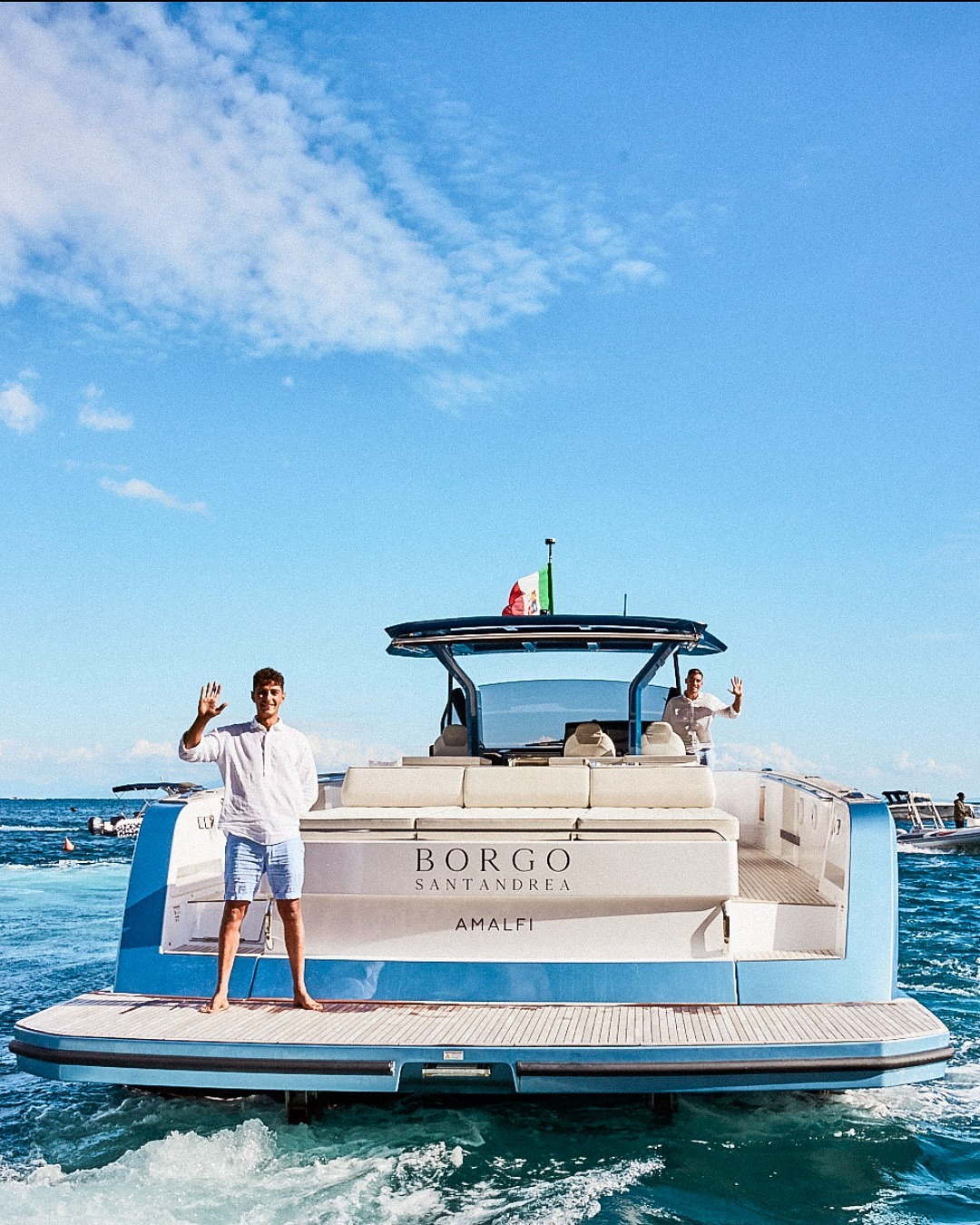
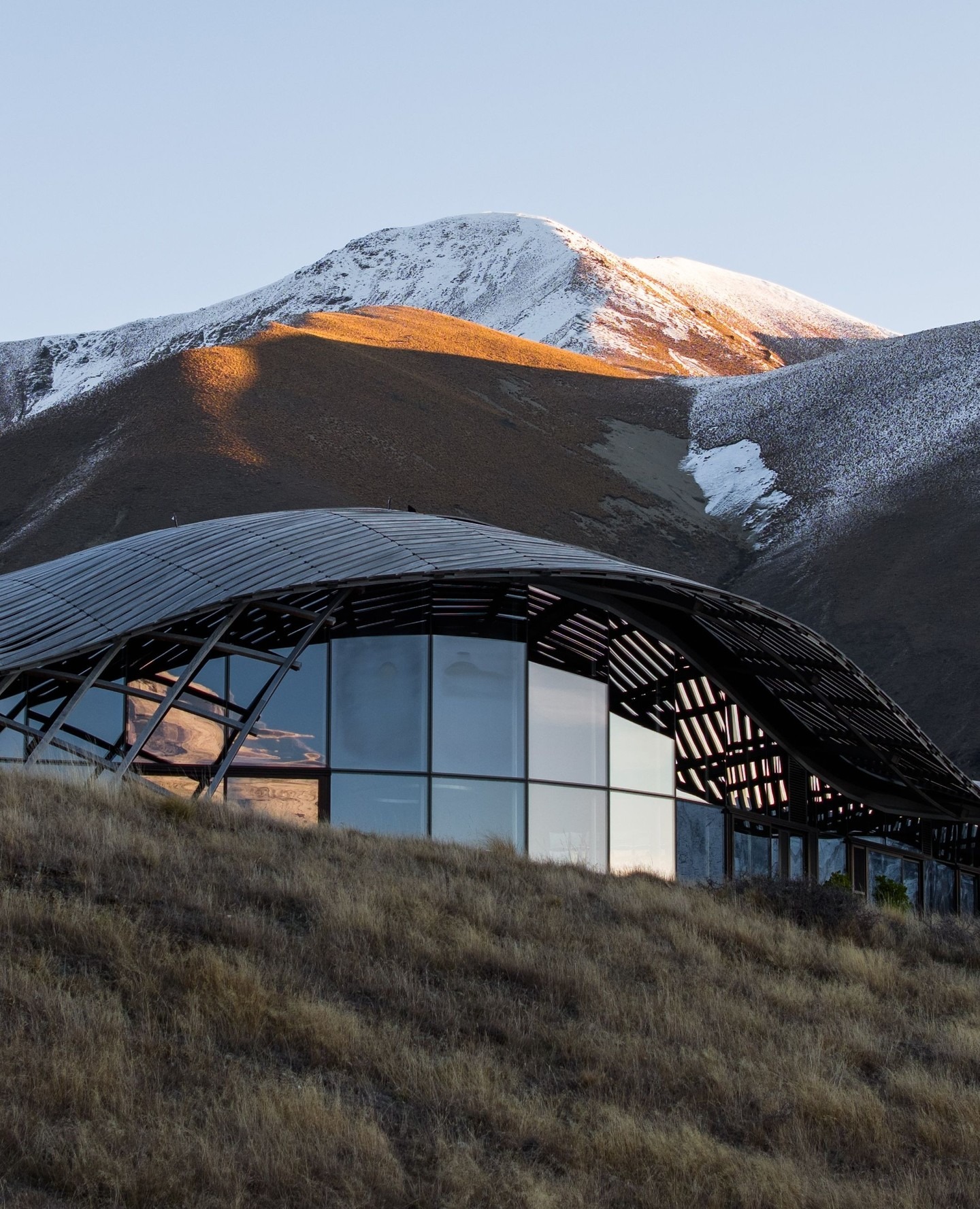

Six and a half thousand acres of high-country station in New Zealand's South Island, reached by a gravel road that climbs for forty minutes past the last fence line, or by helicopter direct from Queenstown for those unwilling to wait. The Lindis holds two Michelin Keys and just five suites across two Master Suites and three Lodge Suites — a scale so small that the lodge functions, in practice, as a private house with extraordinary staff. The Ahuriri Valley itself is one of the least populated landscapes in New Zealand, tussock and schist running to a horizon with nothing built on it.
Days here are organised around the land rather than against it: fly-fishing on the Ahuriri River, horse trekking through the high country, and — after dark — some of the clearest stargazing available anywhere in the Southern Hemisphere, the Ahuriri Valley having almost no light pollution to compete with. Rates are fully inclusive, which means the lodge's considerable wine cellar and tasting menus are simply part of being there rather than a separate negotiation. The architecture, low and dark-toned against the tussock, was built specifically to disappear into the landscape rather than dominate it.
TWO MICHELIN KEYS
FLY-FISHING ON THE AHURIRI RIVER
6,500-ACRE PRIVATE HIGH-COUNTRY STATION
SOUTHERN HEMISPHERE STARGAZING
FULLY INCLUSIVE RATES
HORSE TREKKING
November through April is New Zealand's summer and the easiest window for road access and outdoor activity, with long evening light extending well past nine. May through October brings genuine high-country winter — colder, often snow-dusted, and considerably quieter, which some couples prefer for the stargazing alone. New Zealand has held full marriage equality since 2013, and the Ahuriri Valley's remoteness means the question of welcome is academic. Four nights minimum — the drive in alone resets the pace of a trip, and the lodge's activities reward at least two full unhurried days.
Lyngen Lodge
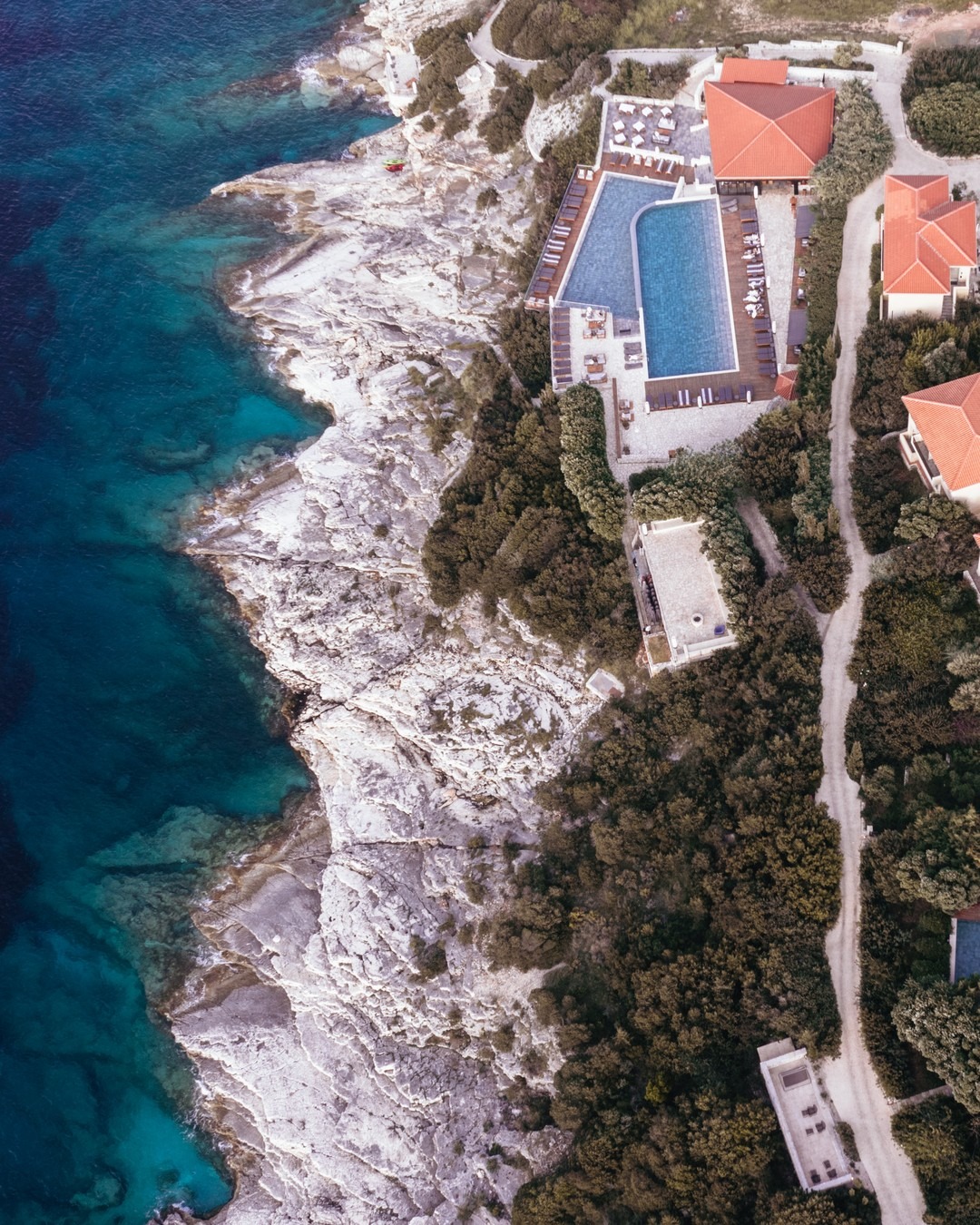
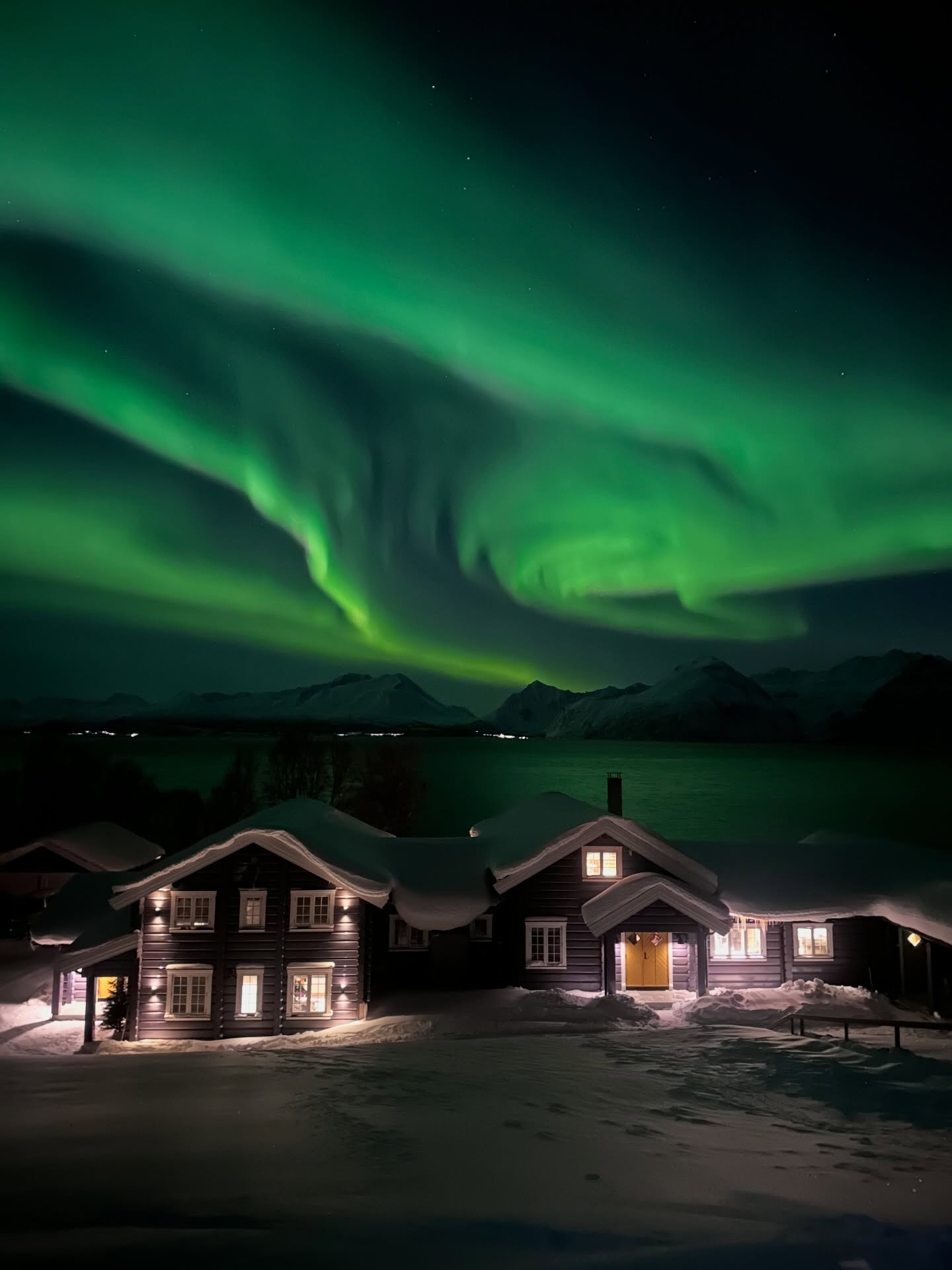
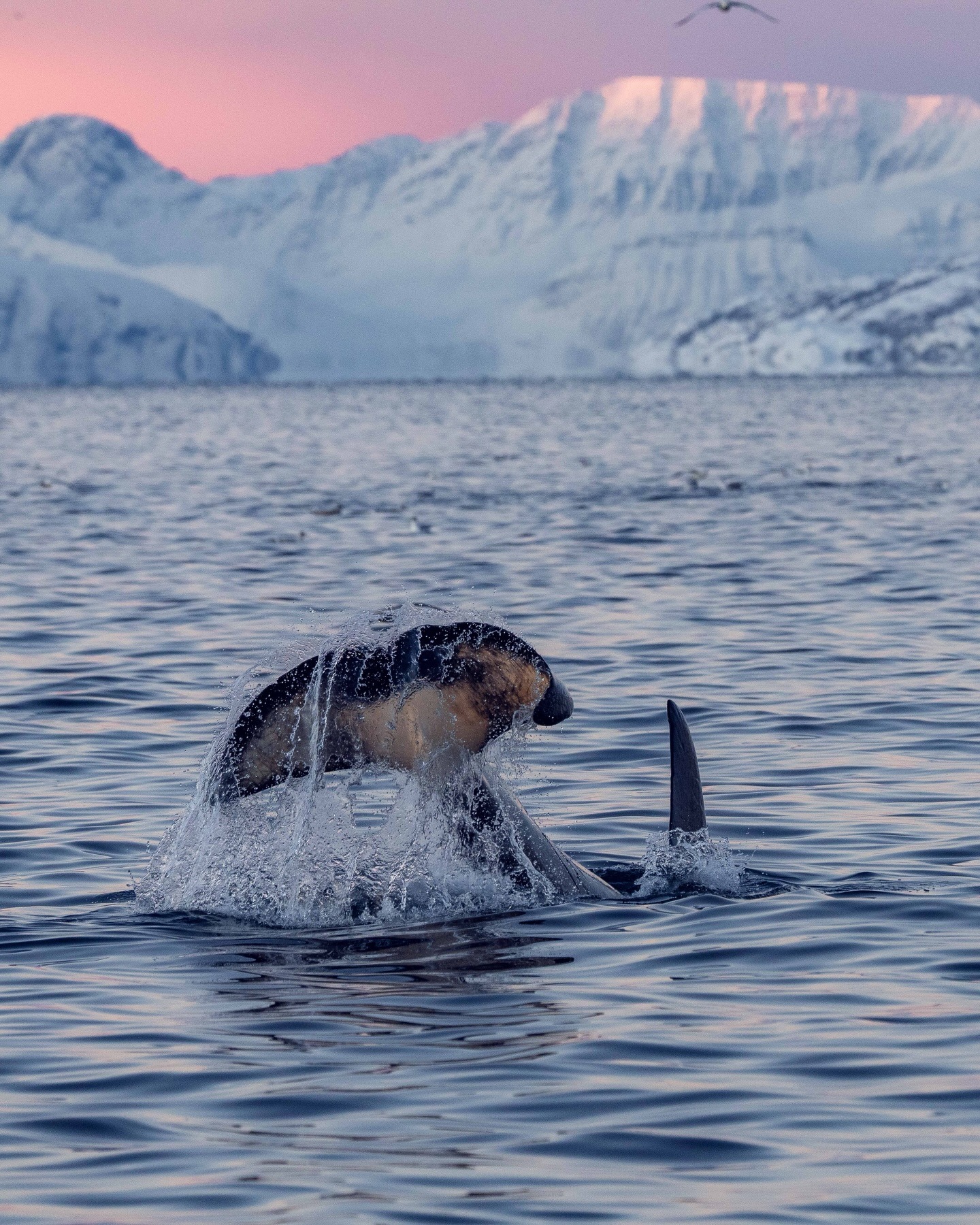
A family-run lodge on the shores of the Lyngen fjord, two hundred miles north of the Arctic Circle, with the Lyngen Alps rising directly from the water on the opposite shore. Eight ensuite rooms, never more than sixteen guests at once, built with a grass roof and geothermic heating against a landscape that spends half the year in near-total darkness and the other half in near-total light. There is no town nearby in any meaningful sense — the nearest settlement is a fishing village, and the lodge itself is the reason anyone comes this far north at all.
The Arctic dictates the calendar here rather than the other way round. Winter brings the Northern Lights directly over the fjord, along with dog sledding and ski touring across terrain that draws backcountry skiers from across Europe. Summer flips entirely: the midnight sun, sea safaris in search of orca and humpback whale, and hiking across terrain that never quite goes dark. An outdoor jacuzzi looks across the water toward the mountains regardless of season, and a fully licensed bar means the day's adventure typically ends exactly where it should.
EIGHT ENSUITE ROOMS, MAX 16 GUESTS
NORTHERN LIGHTS VIEWING
OUTDOOR JACUZZI ON THE FJORD
ORCA & WHALE SEA SAFARIS
DOG SLEDDING & SKI TOURING
SAUNA
Late November through January for the Northern Lights at their most reliable, with the lodge's position directly on the fjord giving an unobstructed view north. March through May brings Summit to Sea ski touring as the snowpack stabilises. June through August reverses the season entirely: midnight sun, whale migrations, and hiking under a sky that never properly darkens. Norway has held full marriage equality since 2009, among the longest-standing in Europe, and the lodge's remote, family-run character means the question of welcome has never meaningfully come up. Four nights minimum — the Arctic rewards patience, and a shorter stay risks a single cloudy night standing between you and the lights.
Wilderness Mombo Camp
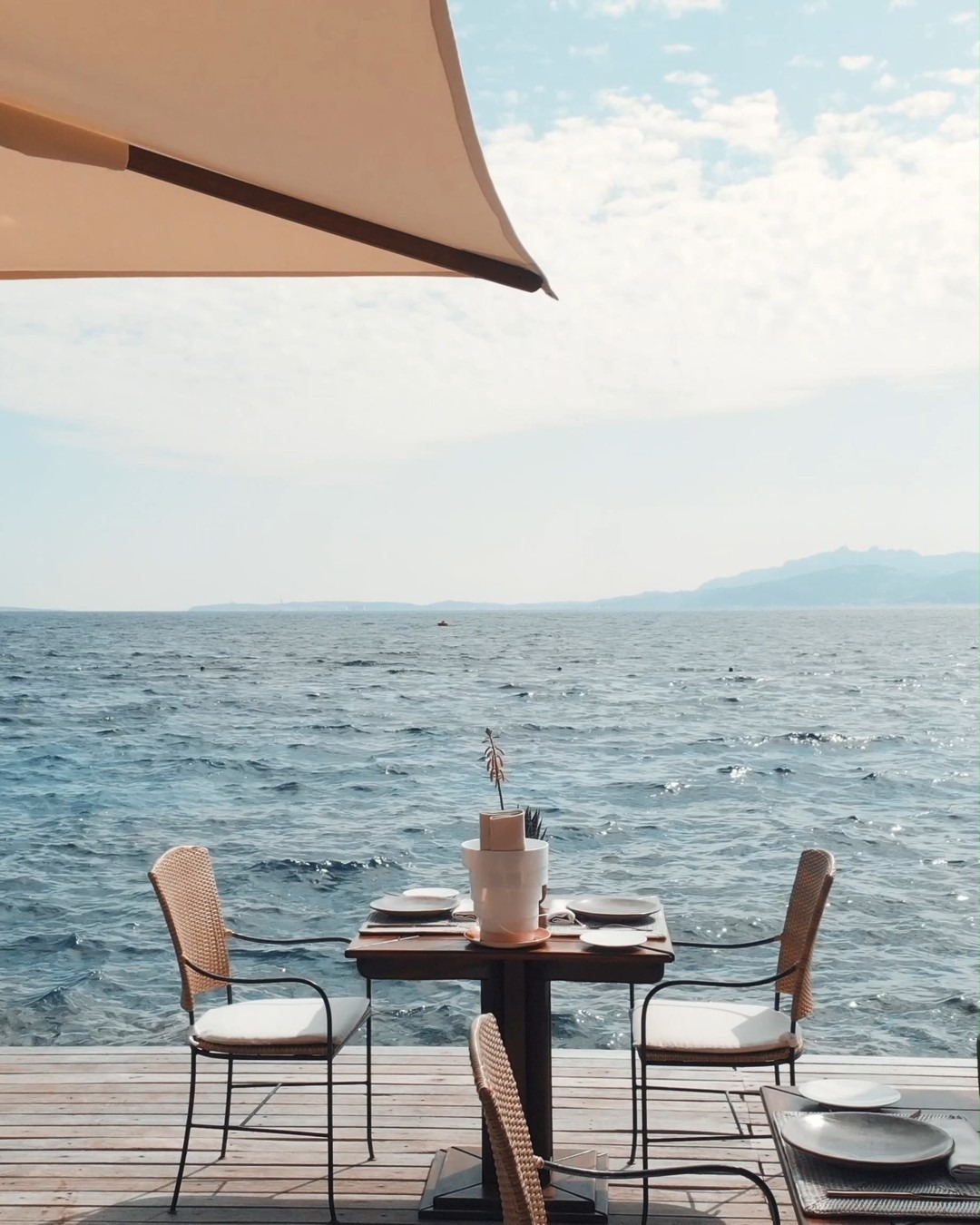
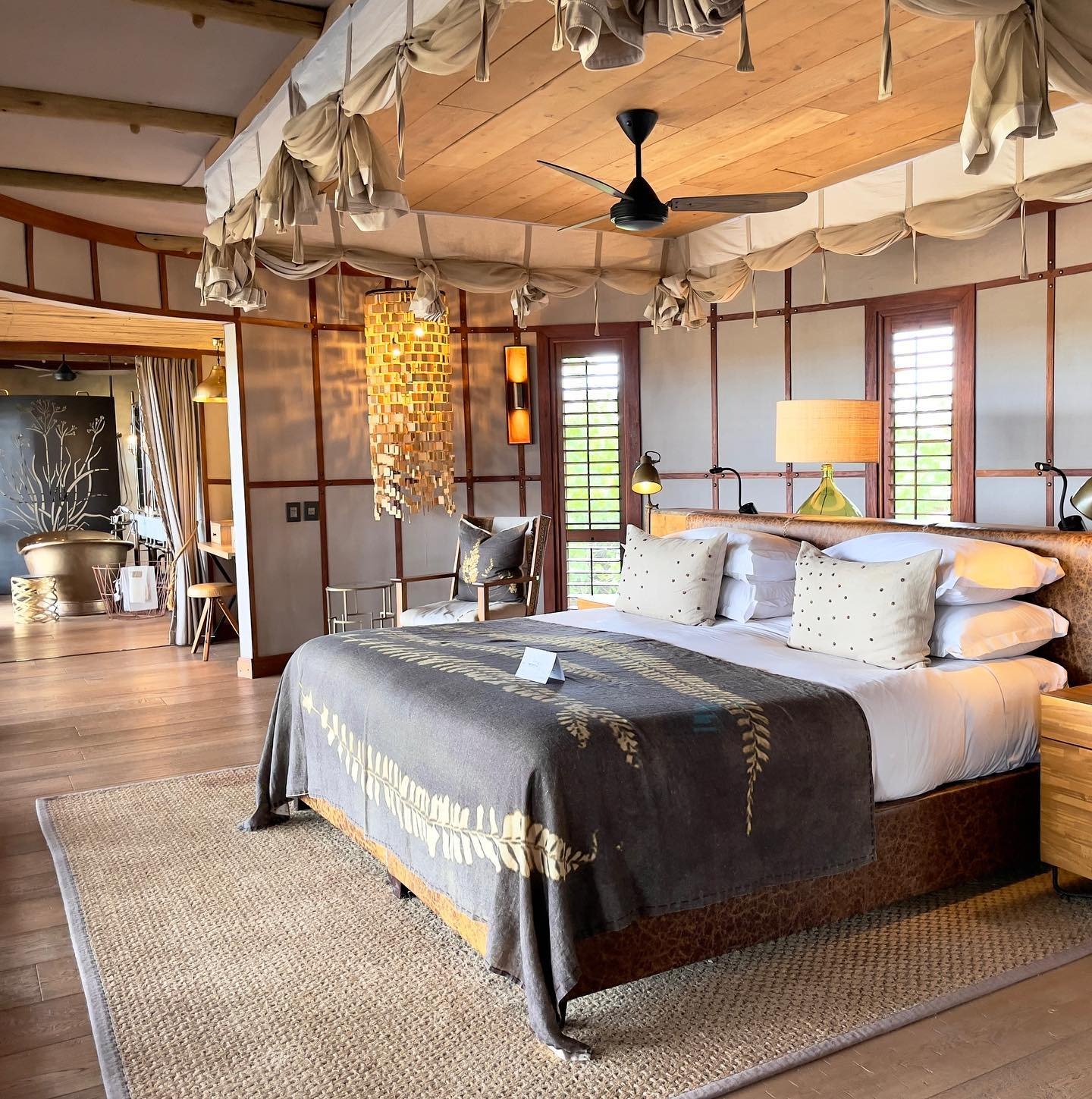
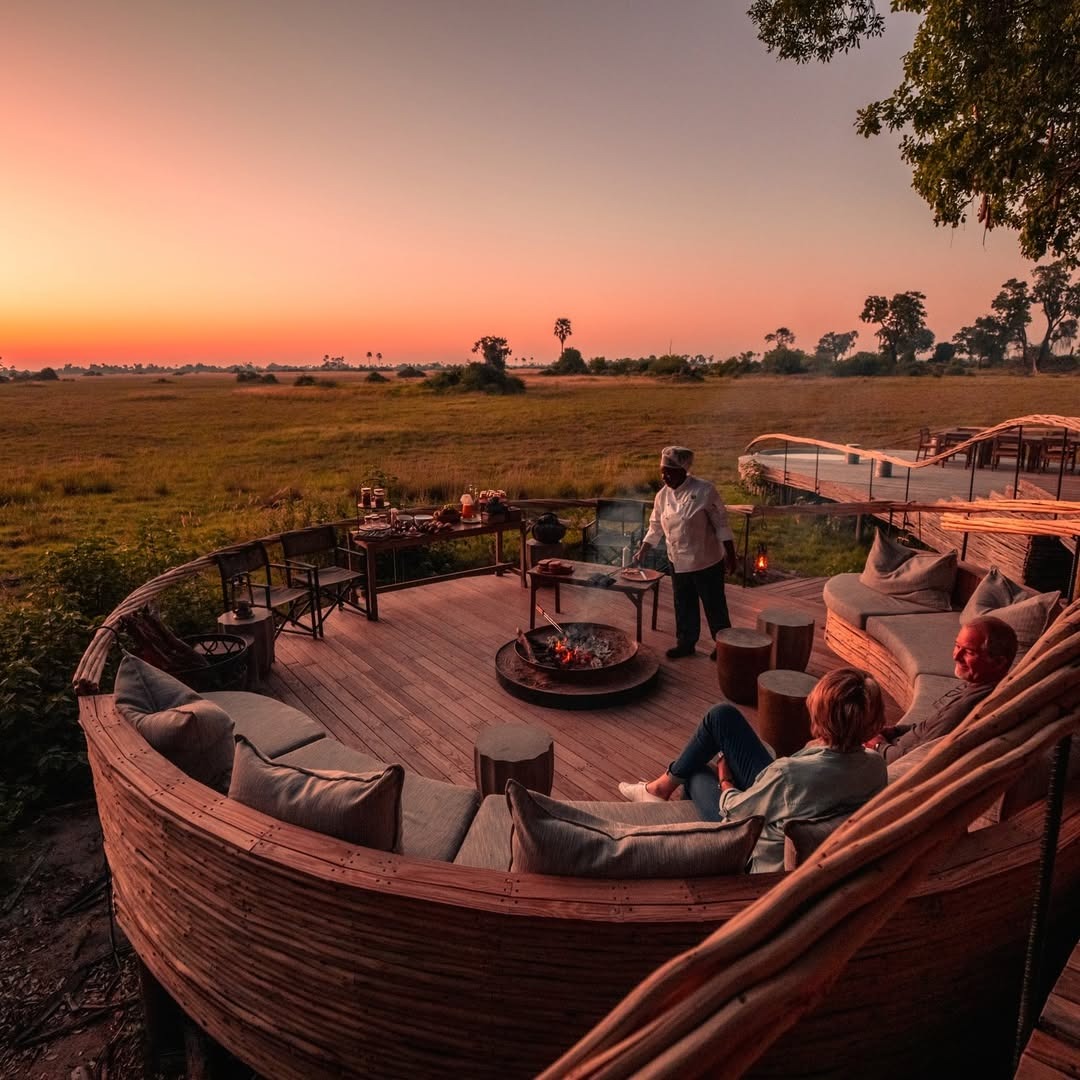
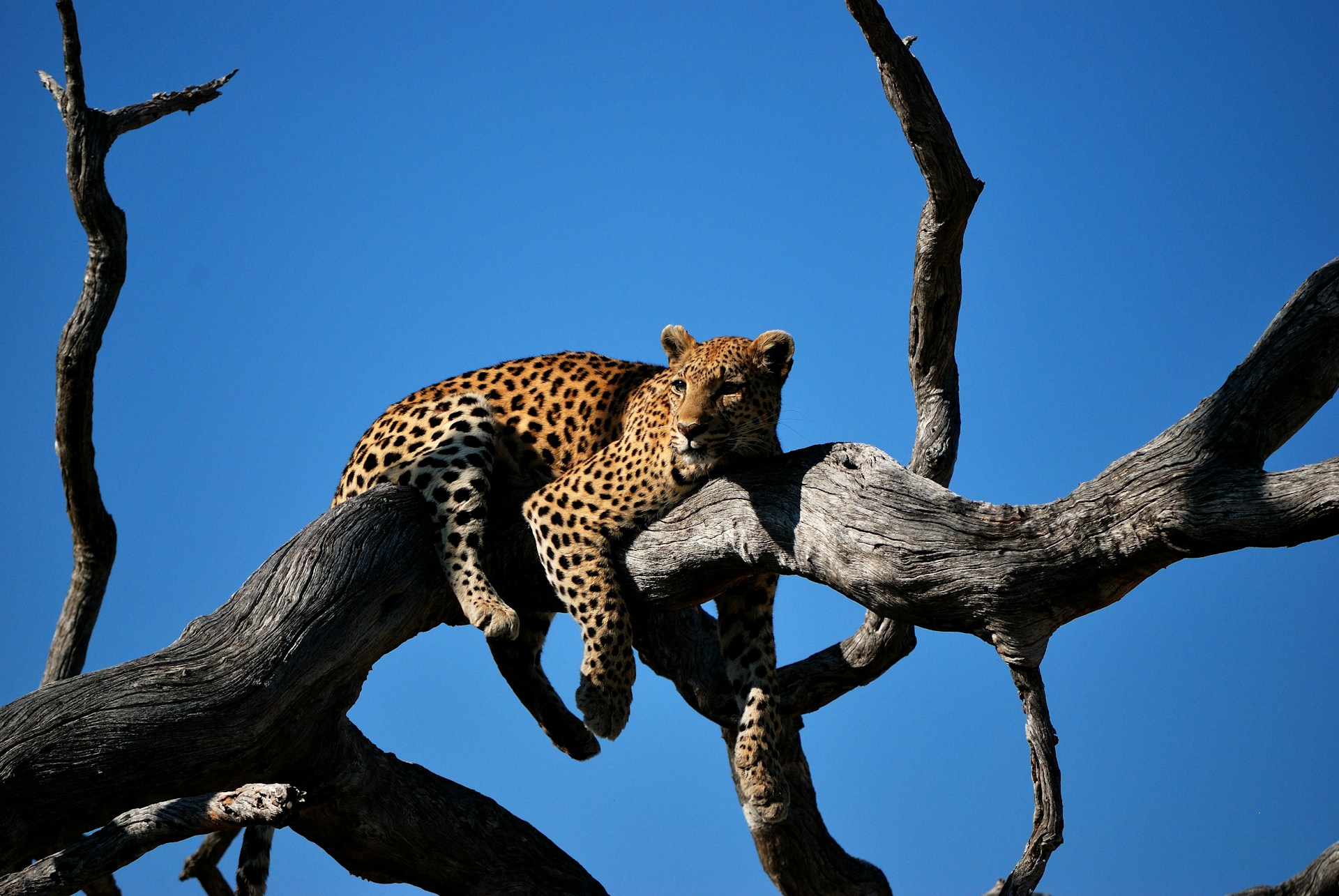
On Chief's Island, inside the Moremi Game Reserve, reachable only by light aircraft over a wetland with no road in or out — Mombo has earned the nickname "the place of plenty" for game density that draws repeat visitors from across the safari world. Eight elevated tented suites, each with a private plunge pool, a copper soaking tub, and both indoor and outdoor showers, are positioned along a private floodplain where lion, leopard, and elephant move past with a regularity that other reserves can only aspire to. The Okavango Delta itself is a UNESCO World Heritage Site, an inland river system that floods rather than flows to the sea.
Game drives here run at dawn and dusk with private vehicles and dedicated guides, and the camp's elevated walkways mean wildlife is visible from the suite itself without ever needing to leave it. The Sanctuary, Mombo's spa, has a lap pool, a meditation cocoon, and a sauna positioned to look directly over the floodplain — treatments timed, if requested, around the golden hour when the light over the delta turns everything the colour of the name suggests. Condé Nast Traveler readers have repeatedly named Mombo the top resort in its category across the African continent, a distinction earned rather than marketed.
EIGHT TENTED SUITES, PRIVATE POOLS
THE SANCTUARY SPA
UNESCO WORLD HERITAGE LOCATION
PRIVATE GAME DRIVES, DAWN & DUSK
LIGHT AIRCRAFT ACCESS ONLY
ELEVATED FLOODPLAIN WALKWAYS
May through September is the Delta's dry season, when floodwaters peak and wildlife concentrates densely around the remaining water — the single best window for game viewing. October and November bring intense heat ahead of the rains, though predator activity often intensifies as competition for water sharpens. Botswana fully decriminalised same-sex relationships in 2026, removing the last statutory barrier following years of court rulings; marriage is not yet legally recognised, though discrimination protections in employment have existed since 2012, and the camp's international clientele and total seclusion make the distinction largely theoretical in practice. Four nights minimum — the Delta rewards patience, and the difference between a two-night and four-night stay is often the difference between seeing the Big Five and properly understanding why Mombo earned its name.
Hurawalhi Maldives
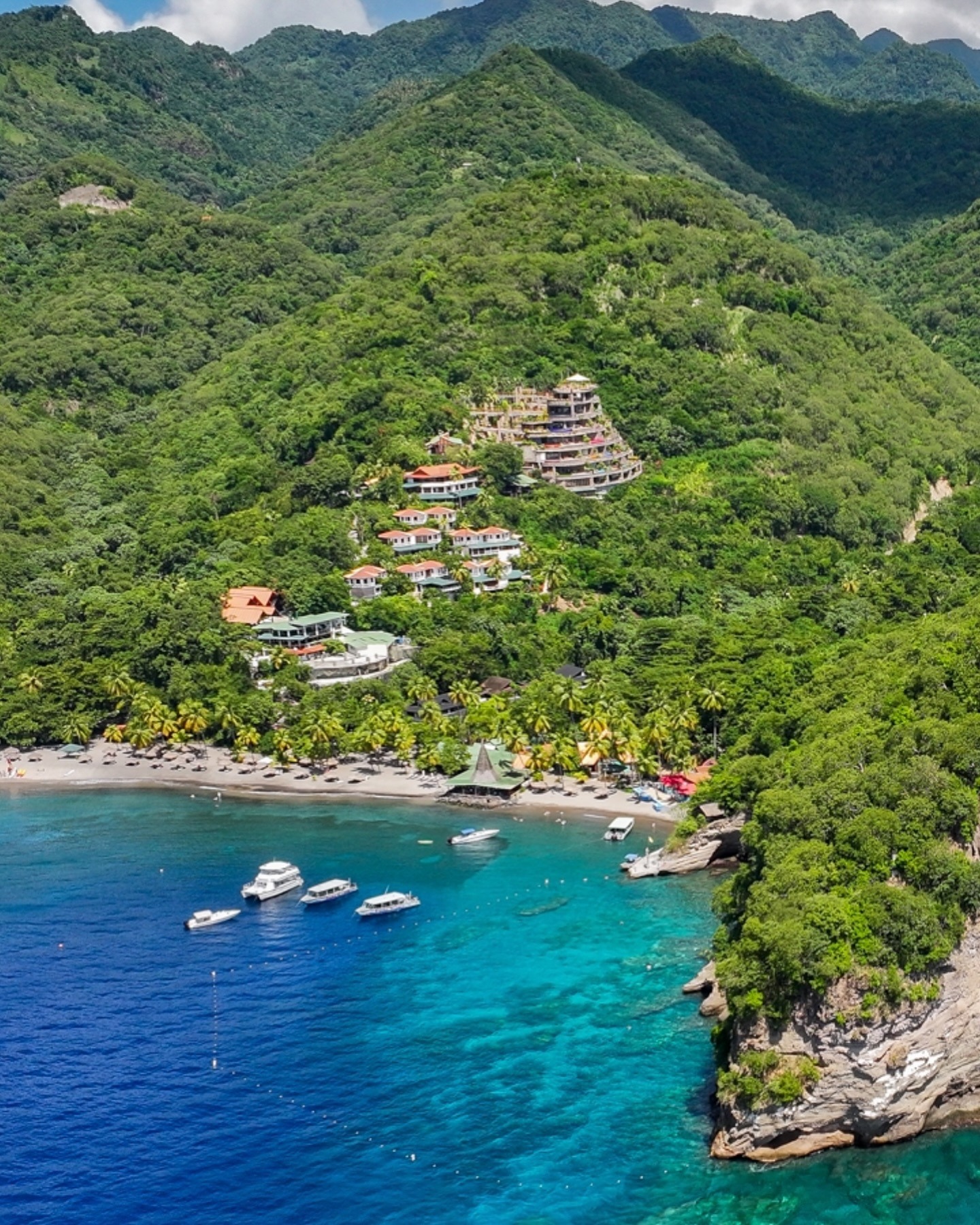
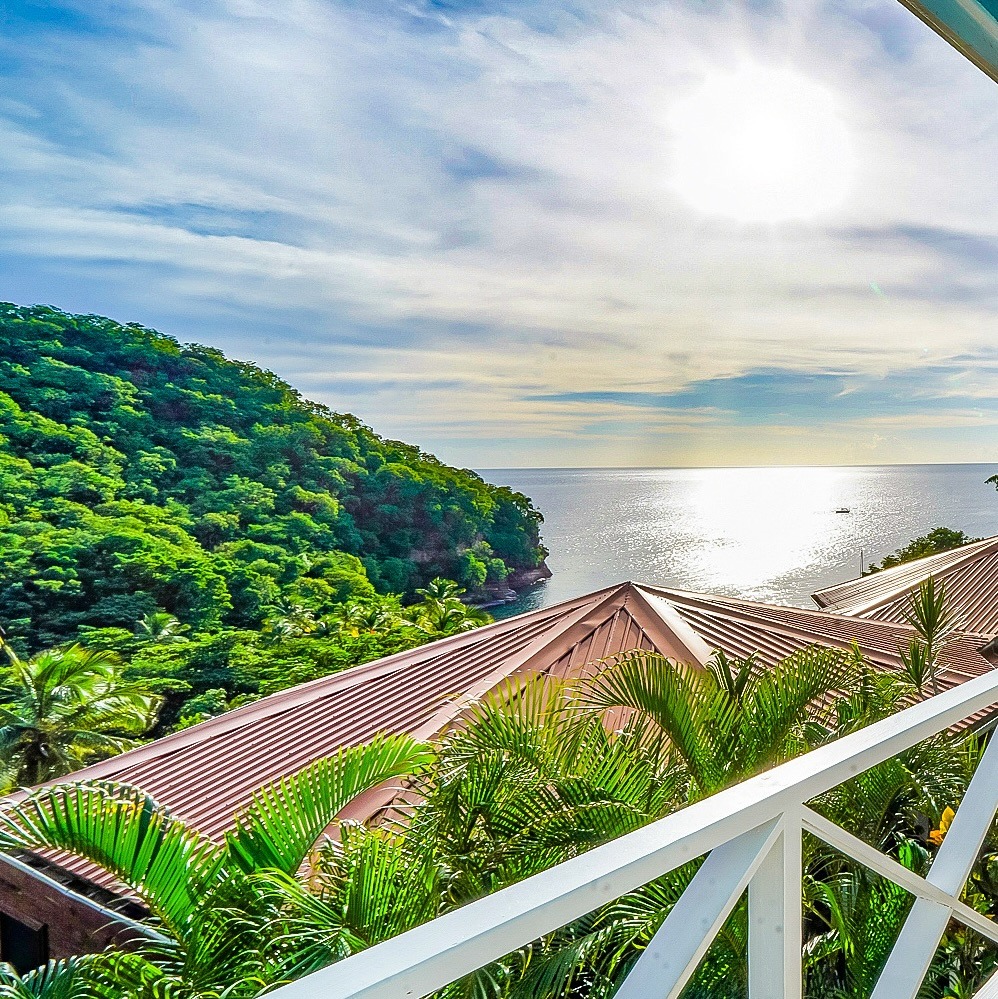
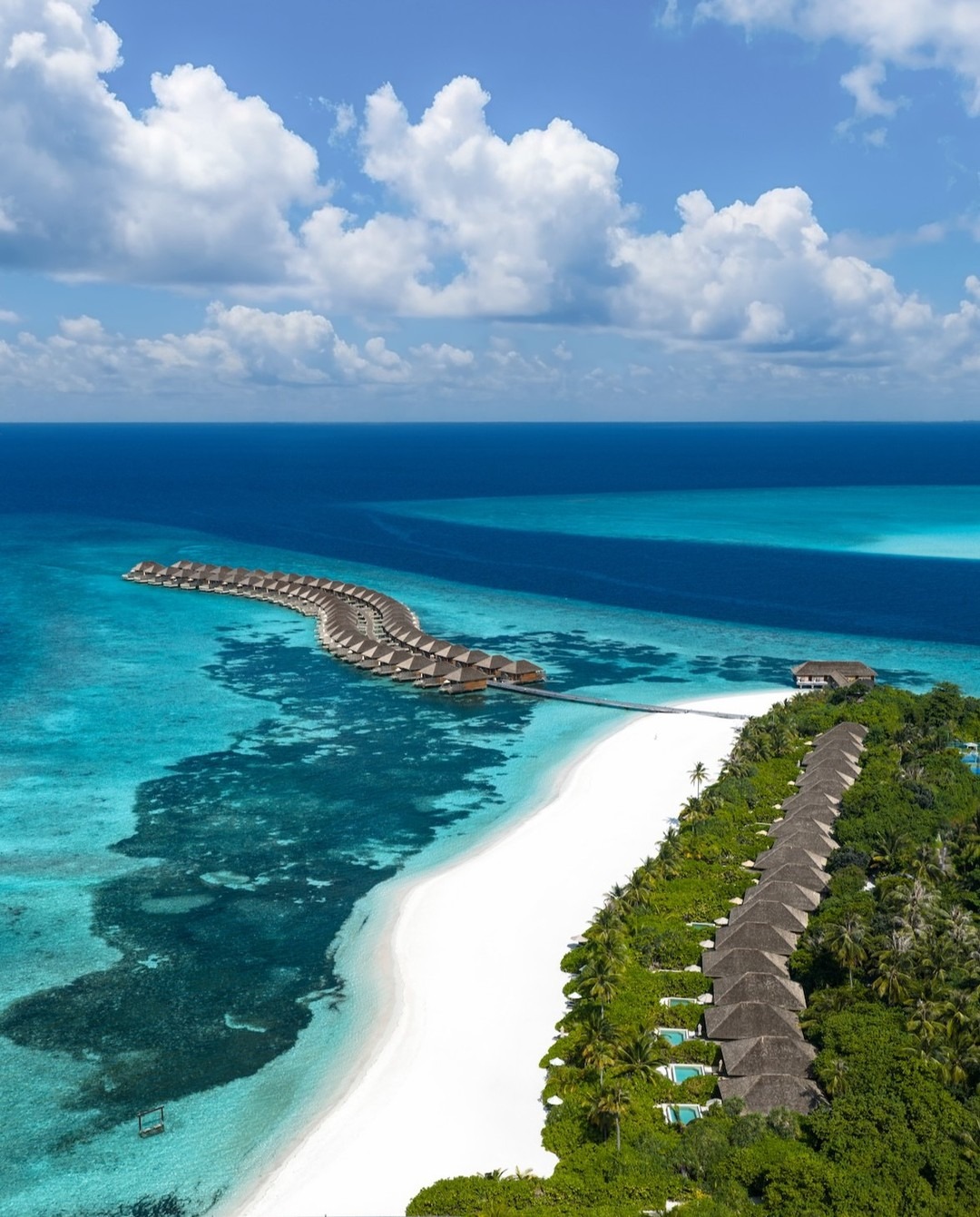
A forty-minute seaplane flight from Malé into the Lhaviyani Atoll, Hurawalhi is built for exactly two kinds of guest: couples, and no one else. Ninety villas — thirty with private pools set directly on the beach, sixty raised over the lagoon — wrap a 400-metre island with a house reef close enough to snorkel from the doorstep. The resort holds no allowance for children under fifteen, full stop, which means the quiet here is structural rather than incidental: no kids' club drowned out by a dinner reservation, no compromise to negotiate around.
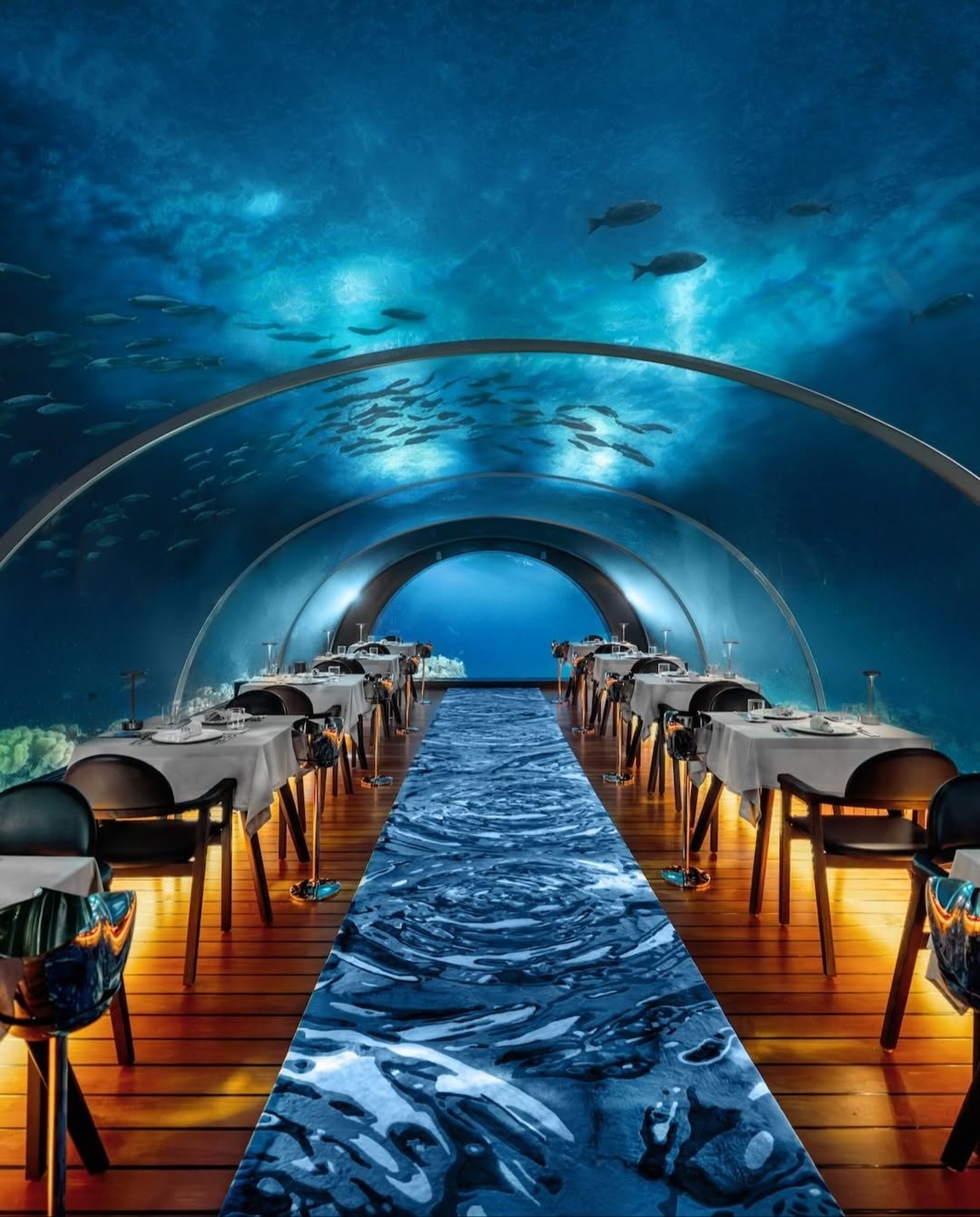
The centrepiece is 5.8, the world's largest all-glass undersea restaurant, sunk six metres into the lagoon so that dinner is conducted with reef sharks and parrotfish moving past the windows as ordinary scenery. Three further restaurants and bars work the surface, and the Duniye Spa runs treatments in pavilions over the water. A resident marine biologist leads guided snorkelling and coral conservation talks for guests who want the science behind the view. Forbes Travel Guide named Hurawalhi a Five-Star property, and the rating tracks: this is a resort built with genuine restraint, where the design does the work rather than announcing itself.
ADULTS-ONLY
UNDERSEA RESTAURANT
FORBES FIVE-STAR RATED
DUNIYE SPA OVER THE LAGOON
HOUSE REEF FROM THE BEACH
MARINE BIOLOGY CENTRE
Late November through April is the Maldives' dry season — calmer seas, lower humidity, and the clearest visibility for diving and snorkelling. May through October brings the wet season, with shorter, more dramatic squalls rather than sustained rain, and meaningfully lower rates for couples prioritising value over guaranteed sunshine. Five nights minimum — the seaplane transfer alone signals a trip built around staying put, and a single dinner at 5.8 deserves at least one repeat visit to get the full effect.
Legal Note: Same-sex relations remain criminalised under Maldivian law, with penalties on the books that include imprisonment. In practice, the country's resort islands operate as self-contained tourism enclaves, largely insulated from local law and routinely welcoming gay couples without incident — a pattern confirmed by LGBTQ+ travel specialists with direct, repeated experience of the destination. Discretion is sensible in Malé and on inhabited local islands; within the resort itself, gay couples are received as a matter of course.
Awasi Patagonia
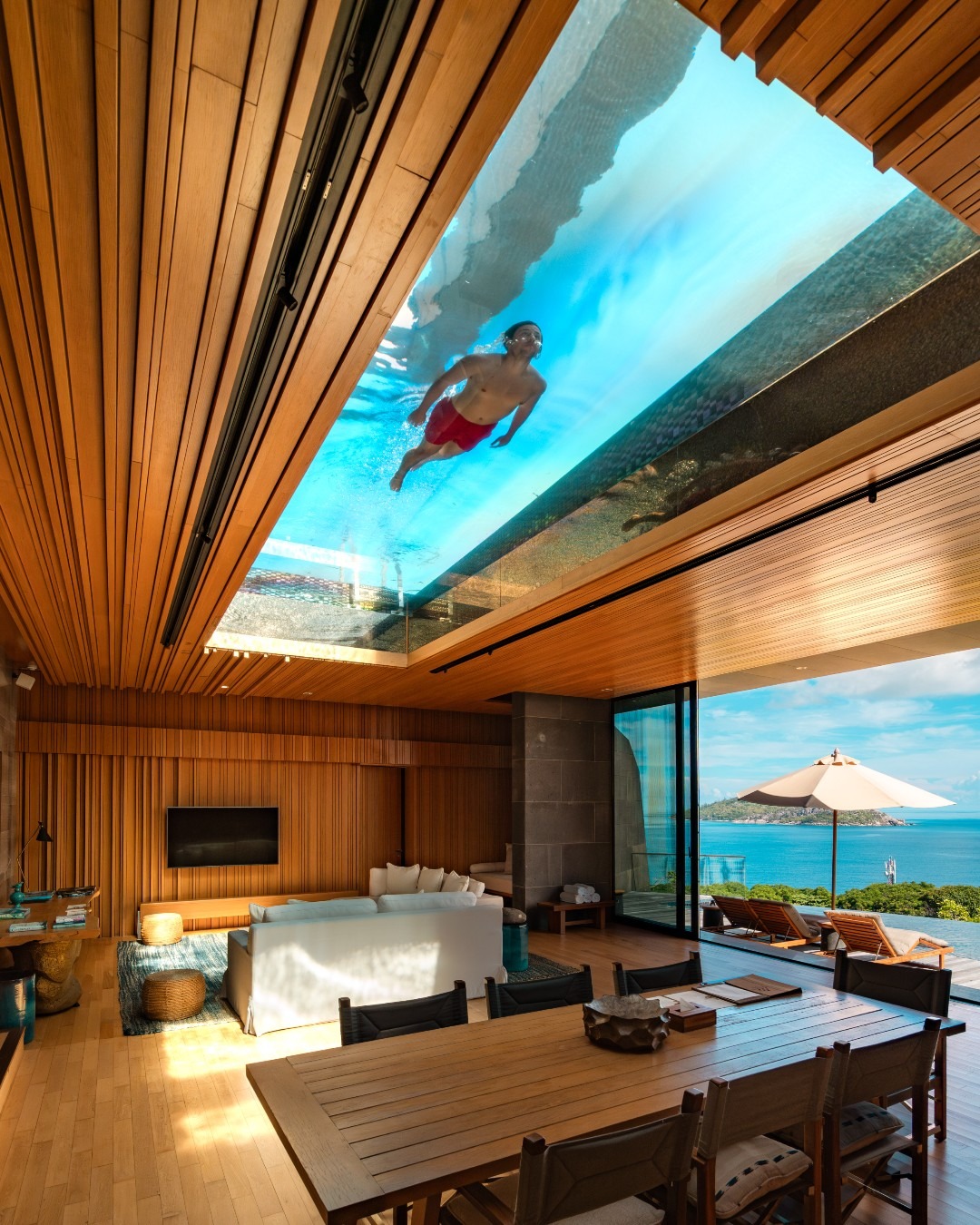

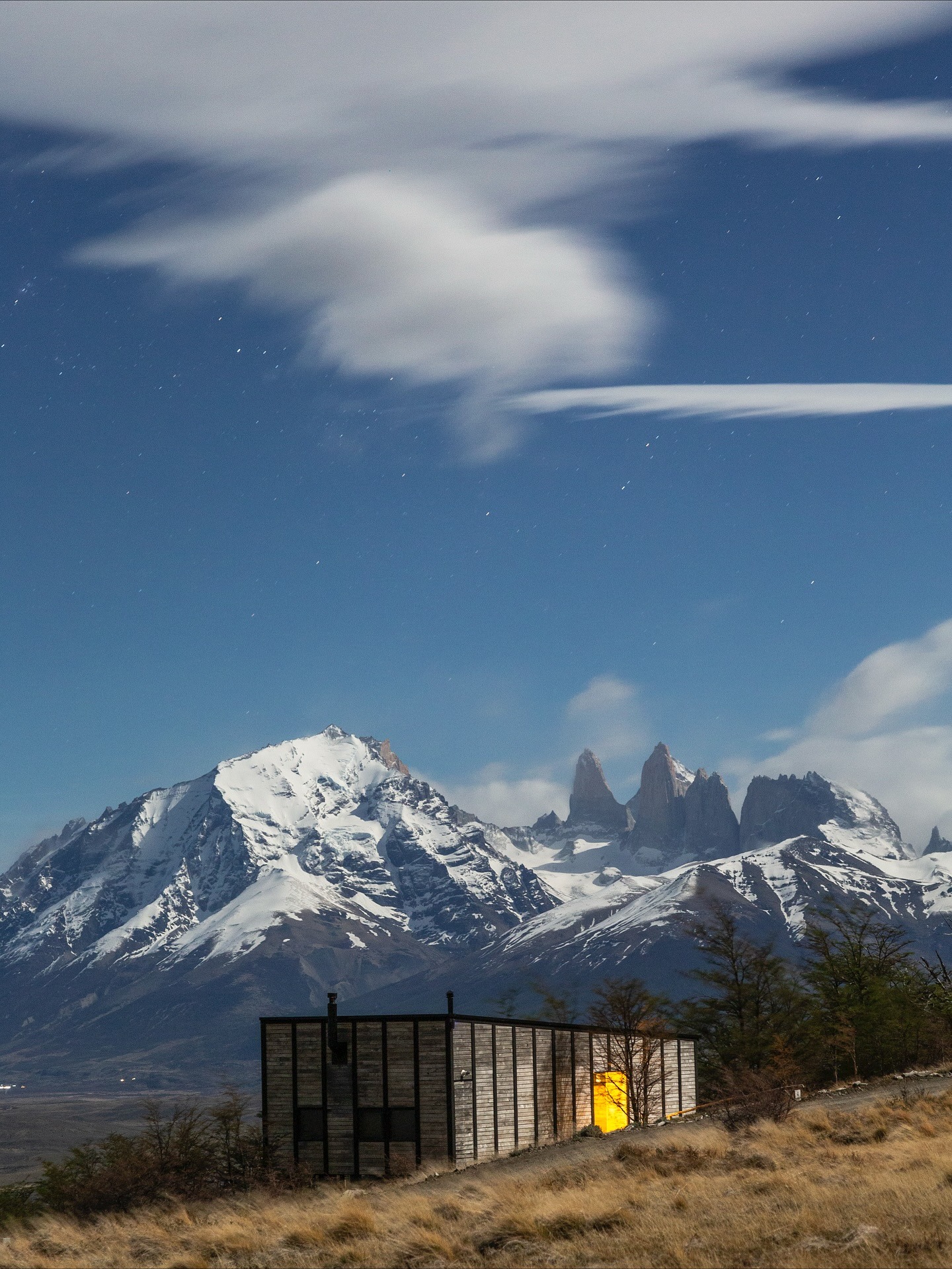
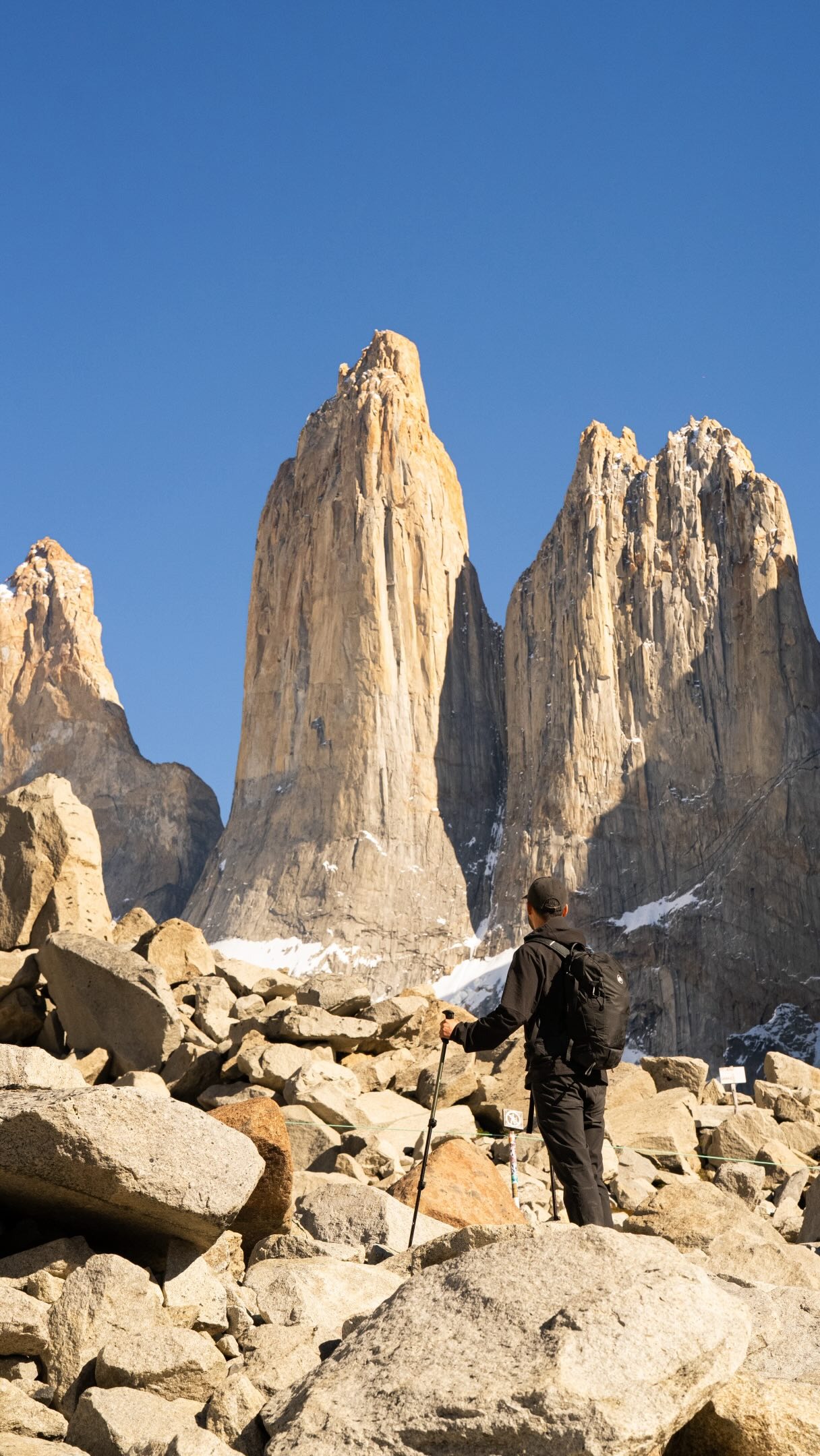
A private reserve on the eastern edge of Torres del Paine National Park, where Awasi's signature mechanic — a private guide and a 4WD vehicle assigned to each villa for the entire stay — turns the Patagonian wilderness into something closer to a bespoke commission than a fixed itinerary. Fourteen oval-shaped villas, raised on stilts to minimise their footprint on the lenga forest, face Lake Sarmiento and the granite spires of the Paine Massif beyond it. Relais & Châteaux. Guanaco, condor, and — for the patient or the lucky — puma move through the reserve largely undisturbed by the handful of guests who ever see them.
What distinguishes Awasi from every other lodge bordering the park is the total absence of fixed schedules: no group transfers, no set excursion times, simply a guide who designs each day's route around what the two of you actually want to see. Full-day treks into the park's interior, half-day rides through the reserve's grasslands, glacier walks on the Southern Patagonian Icefield — all assembled in real time rather than booked in advance. The lodge's own restaurant, open exclusively to guests, draws on Patagonian lamb and foraged ingredients, and the property contributes a portion of every stay to a conservation corridor designed to keep the region's puma population intact.
PRIVATE GUIDE & 4WD PER VILLA
RELAIS & CHÂTEAUX
FOURTEEN STILTED VILLAS
GLACIER & ICEFIELD TREKKING
OUTDOOR HOT TUB PER VILLA
ON-SITE RESTAURANT, GUESTS ONLY
October through April is Patagonian spring through autumn and by far the most accessible window — milder temperatures, longer daylight, and the wildflower bloom across the steppe in November and December. May through September brings genuine Patagonian winter: colder, windier, and considerably quieter, which suits couples who want the park to themselves more than they want guaranteed hiking weather. Chile has held full marriage equality since 2022, among the more recent additions in Latin America, and the country's broader shift toward LGBTQ+ acceptance is well documented; Awasi's total privacy in any case makes the question largely moot. Four nights minimum — a private guide changes the calculus on how much ground two people can actually cover, and the fourth day is typically when the scale of the place finally registers.
YOU BELONG EVERYWHERE.
© 2026 OUTINRY.