THE HONEYMOOON EDIT
Food · Wine
Six places where what you eat and drink was never an afterthought to the trip — it was the reason the trip exists.
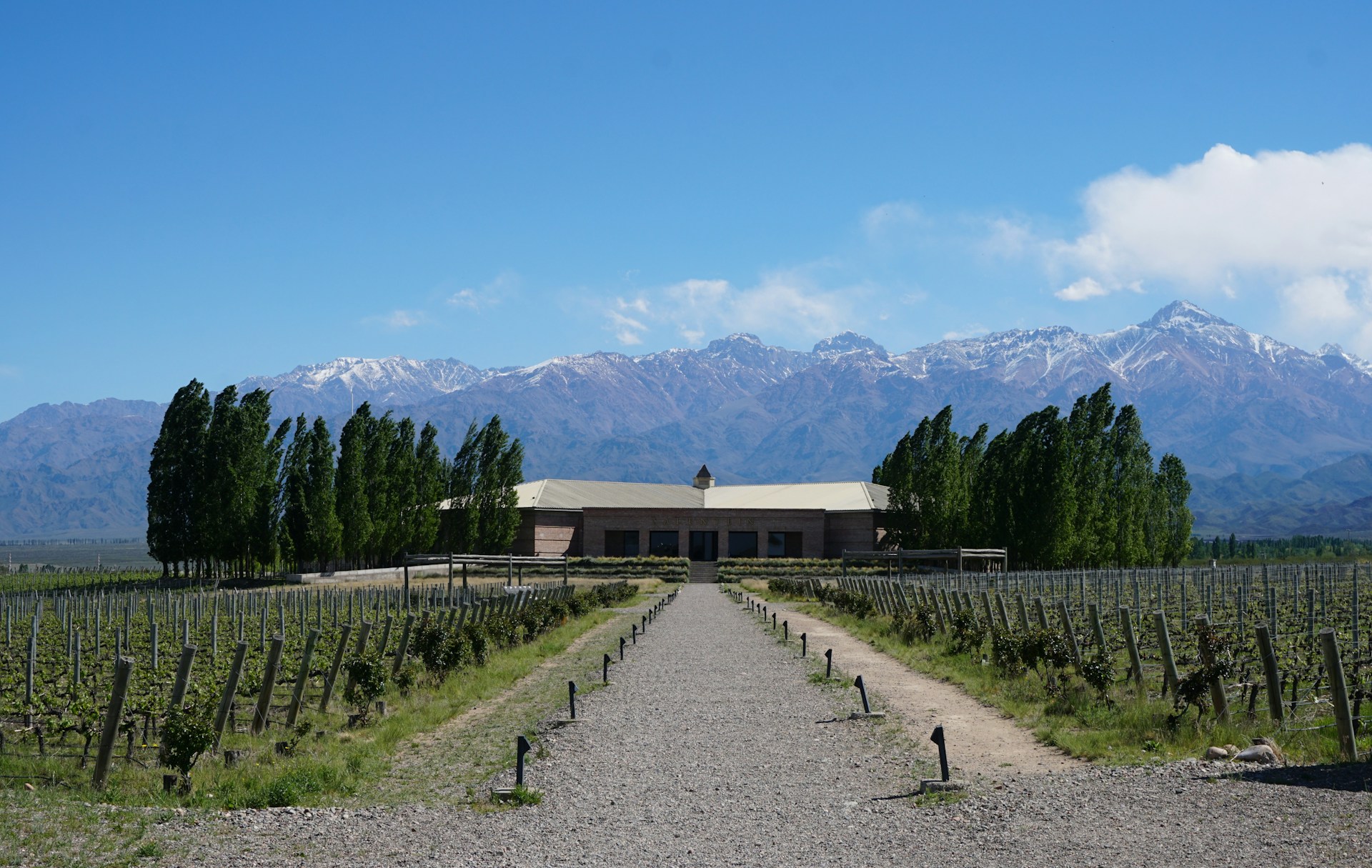
Six places where what you eat and drink was never an afterthought to the trip — it was the reason the trip exists.
Most honeymoons treat dinner as the reward for a day spent doing something else. These six don't. Here, the cellar, the market, and the kitchen are the itinerary — the morning is built around what's for lunch, and the afternoon exists to make the evening's tasting menu make sense. Some of these destinations are built around a single working vineyard; others around a city that simply takes eating more seriously than anywhere else on the continent. What unites them is a kind of focus most travel doesn't ask for: the discipline to let one pursuit organise an entire week, and the trust that doing so will be more rewarding than trying to see everything.
The hotels in this edit were chosen for the same reason a sommelier chooses a glass — not for size or spectacle, but for what they're built to hold. Several sit inside working wine estates, close enough to the vines that the harvest becomes part of the stay. Others are anchored to a single kitchen serious enough to justify the trip on its own. Where adults-only seclusion was available at the right level of prestige, we chose it; where the destination's finest table happened to belong to a hotel that welcomes families, we said so plainly rather than pretend otherwise. Every entry below has earned its place on the strength of what arrives on the plate or in the glass — nothing here is filler for a view.
The Club House at Fontanelle Estate

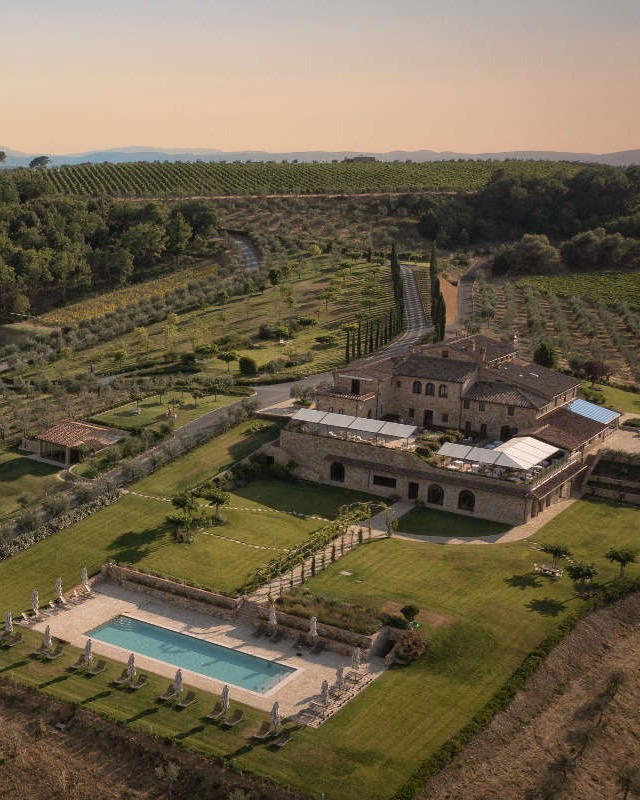
A working vineyard in the heart of Chianti Classico DOCG — two hundred and seventy-five hectares of Vallepicciola's own vines rolling toward the hills outside Siena, with The Club House set apart as the estate's adults-only retreat. Cypress-lined drives, stone farmhouses restored rather than reinvented, and a wine list that begins and ends at the cellar door. This is Tuscany without the postcard performance: a place built by people who grow grapes for a living and happen to also run one of the region's most quietly serious hotels.
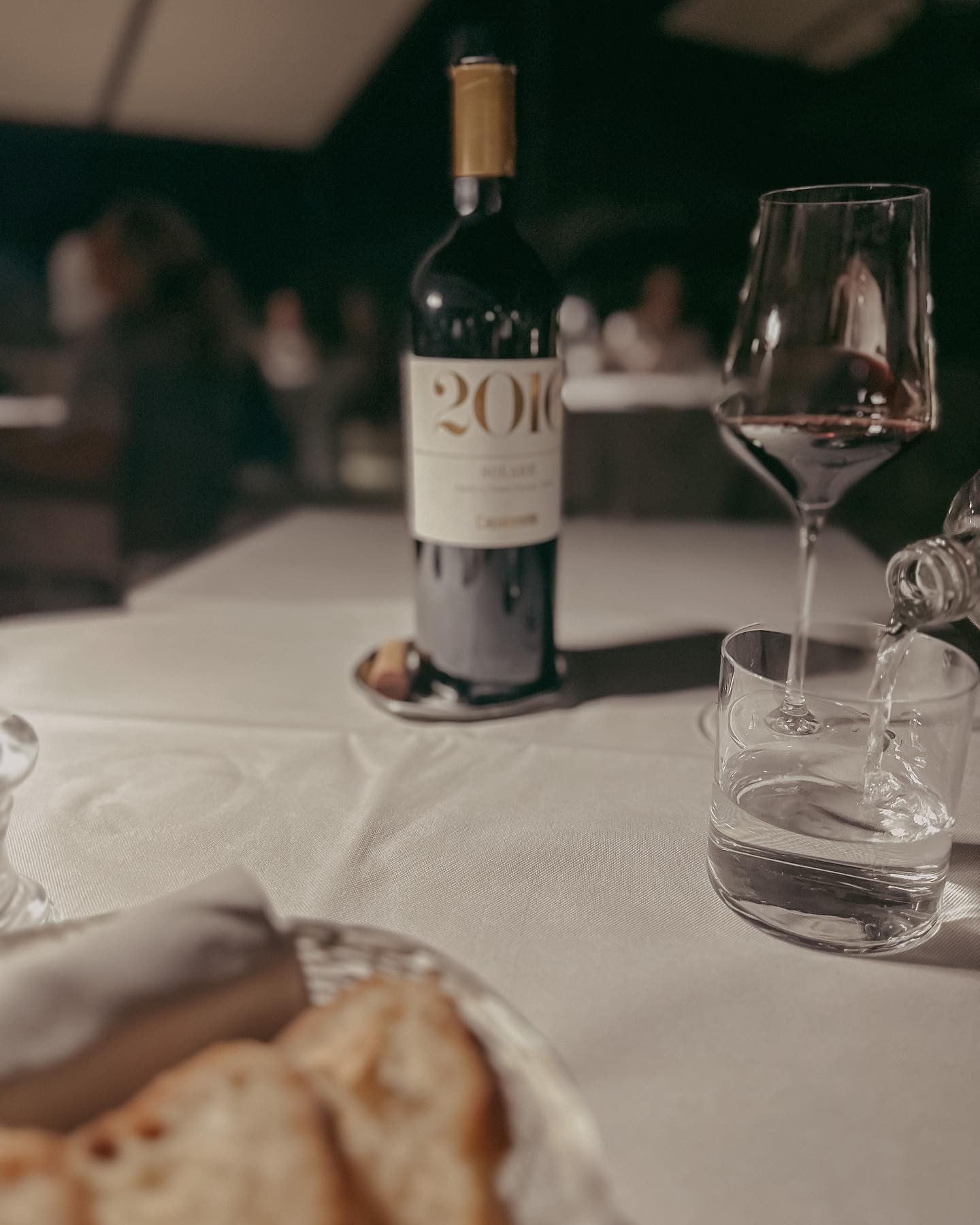
Dinner is the day's centre of gravity. Il Visibilio serves a seventeen-course blind tasting menu under consulting chef Giuseppe Iannotti — two Michelin stars at his own restaurant, Krèsios — with the estate's own chef, Francesco Ferrettini, running the kitchen night to night. No menu is shown beforehand; the meal simply arrives, course by course, paired from a cellar that never has to look beyond its own vineyard for the bottle that fits. Mornings are for the pool or the vines, depending on the season and the wine; by six, the kitchen has already decided what the evening is going to be.
275-HECTARE WORKING VINEYARD ESTATE
IL VISIBILIO — 17-COURSE TASTING MENU
ADULTS-ONLY PROPERTY
CHIANTI CLASSICO DOCG WINE CELLAR
SPA & WELLNESS FACILITIES
OUTDOOR POOL OVERLOOKING THE ESTATE
September and October bring the Chianti harvest — the estate at its most alive, the air thick with the smell of fermenting must, and the chance to walk the vines while they're actually being picked. May and June offer the same hills in full green, with long, unhurried evenings on the terrace before the summer heat sets in fully. Four nights is the right length: enough for the rhythm of the estate to settle in, and for Il Visibilio's seventeen courses to feel like an event rather than a single dinner squeezed into a packed week.
Belmond Miraflores Park
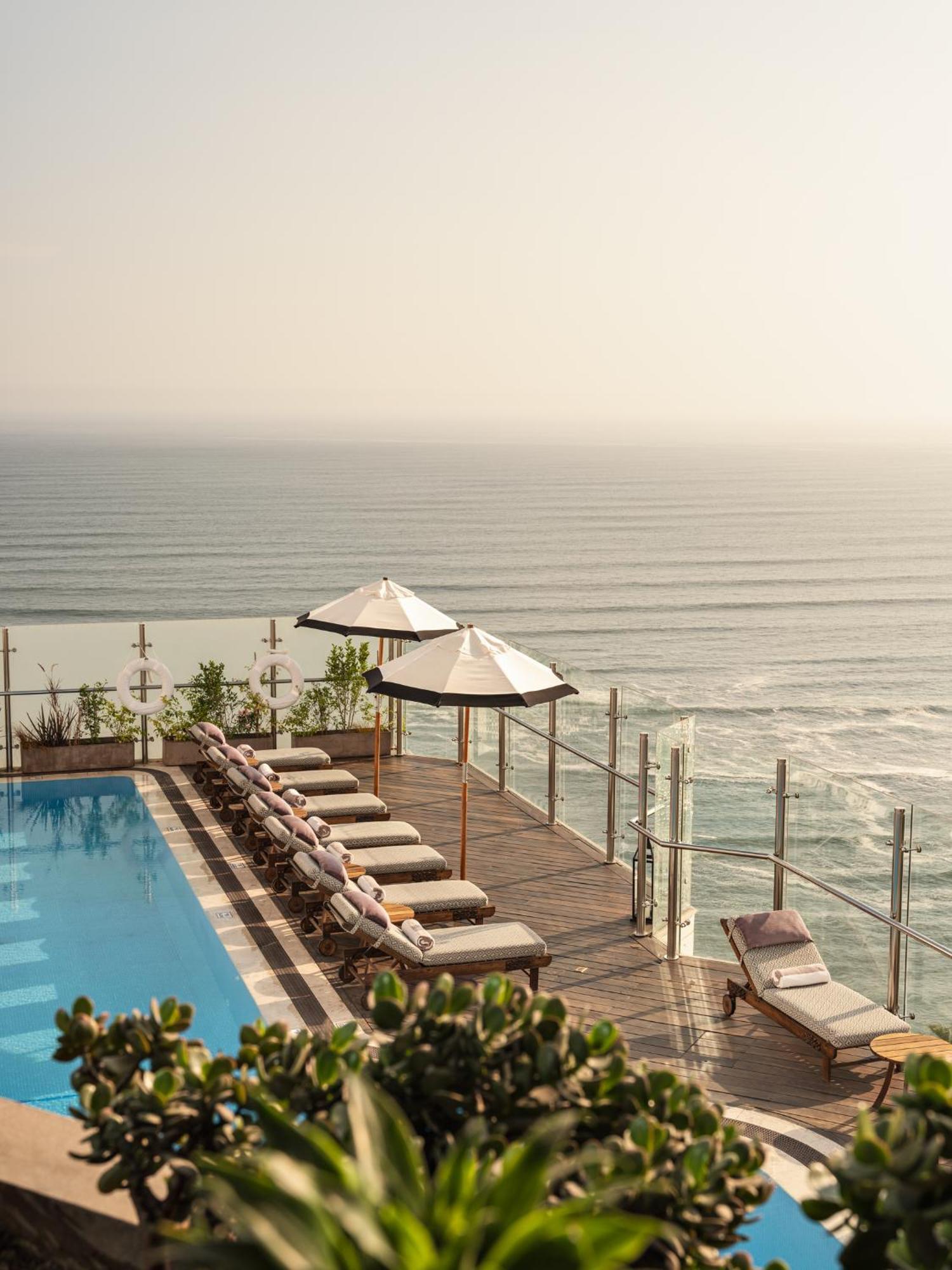
Lima did not become the culinary capital of South America by accident, and Belmond Miraflores Park sits at the centre of the proof: an oceanfront tower in Miraflores, close enough to the cliffs that the Pacific is the view from nearly every room, and close enough to the city's defining restaurants that a reservation is rarely more than a short taxi away. The hotel itself runs on the same precision the city is known for — a rooftop pool heated against the coastal fog, a spa built for recovery between long lunches, service calibrated to a city that takes its food more seriously than its weather.
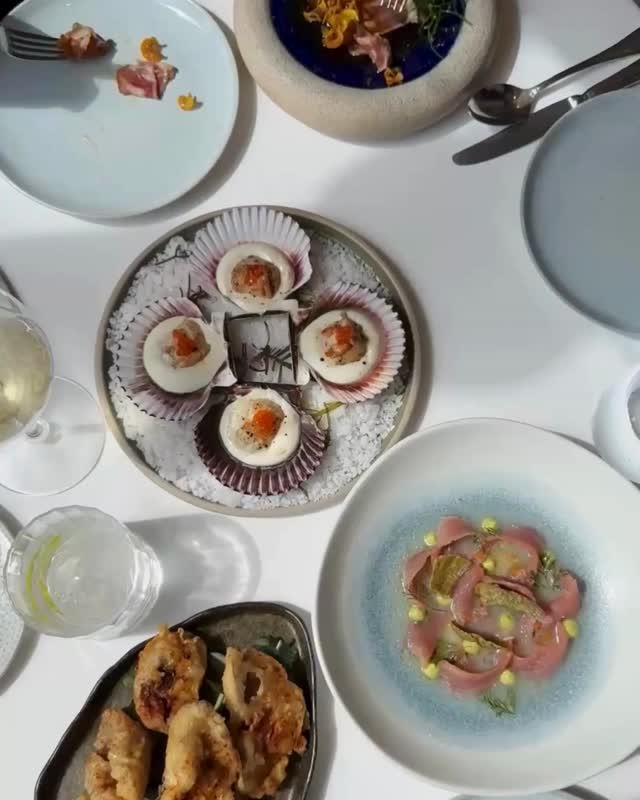
Maido was named the World's Best Restaurant at the 2025 World's 50 Best awards in Turin — Nikkei cuisine, Peruvian ingredients filtered through Japanese technique, a tasting menu that has become the reason some people fly to Lima at all. Central, a short distance away, builds its menu around Peru's altitude, working ingredients from sea level to four thousand metres into a single sitting. Both require booking weeks ahead; the hotel's concierge has the relationships to make that less of a gamble. Closer to home, the hotel's own dining room handles ceviche with the same seriousness the city does — no tourist-menu compromise, even for guests who never leave the building.
OCEANFRONT MIRAFLORES LOCATION
ZEST SPA
ROOFTOP HEATED POOL
WALKING DISTANCE TO MAIDO & CENTRAL
FULL-SERVICE CONCIERGE
CLIFFSIDE PACIFIC VIEWS
December through April is Lima's summer — warm, dry, and the clearest version of the coastline the city offers. The Pacific garúa fog settles in from June through September, cooler and greyer but with restaurant tables far easier to secure on short notice. Reserve Maido and Central before booking flights; both restaurants release tables months out and the best evenings go quickly. Five nights allows time for both signature restaurants plus the city's wider scene — Barranco's bars, the ceviche stalls of the Surquillo market, and at least one long, unhurried Sunday lunch.
Royal Champagne Hotel & Spa
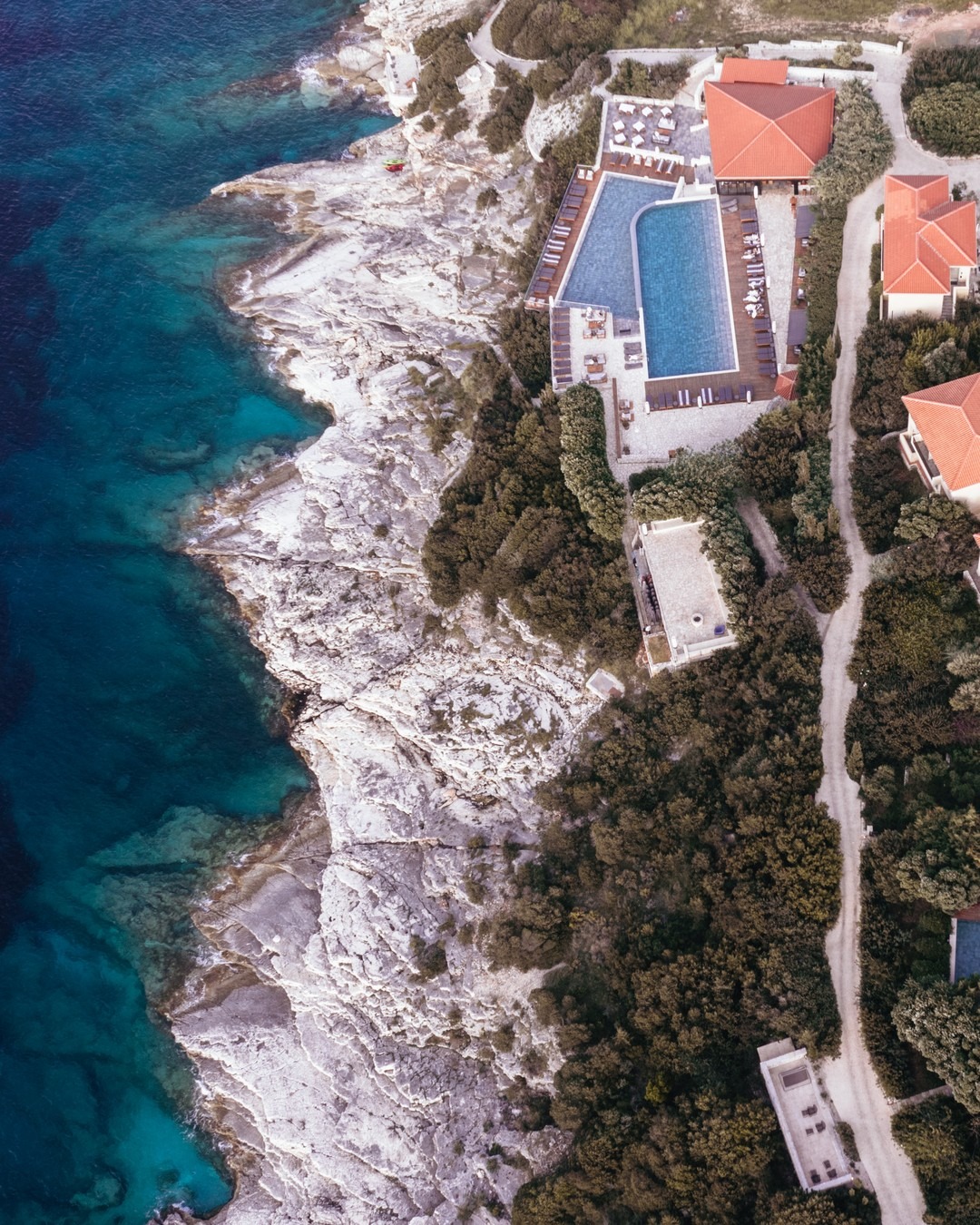
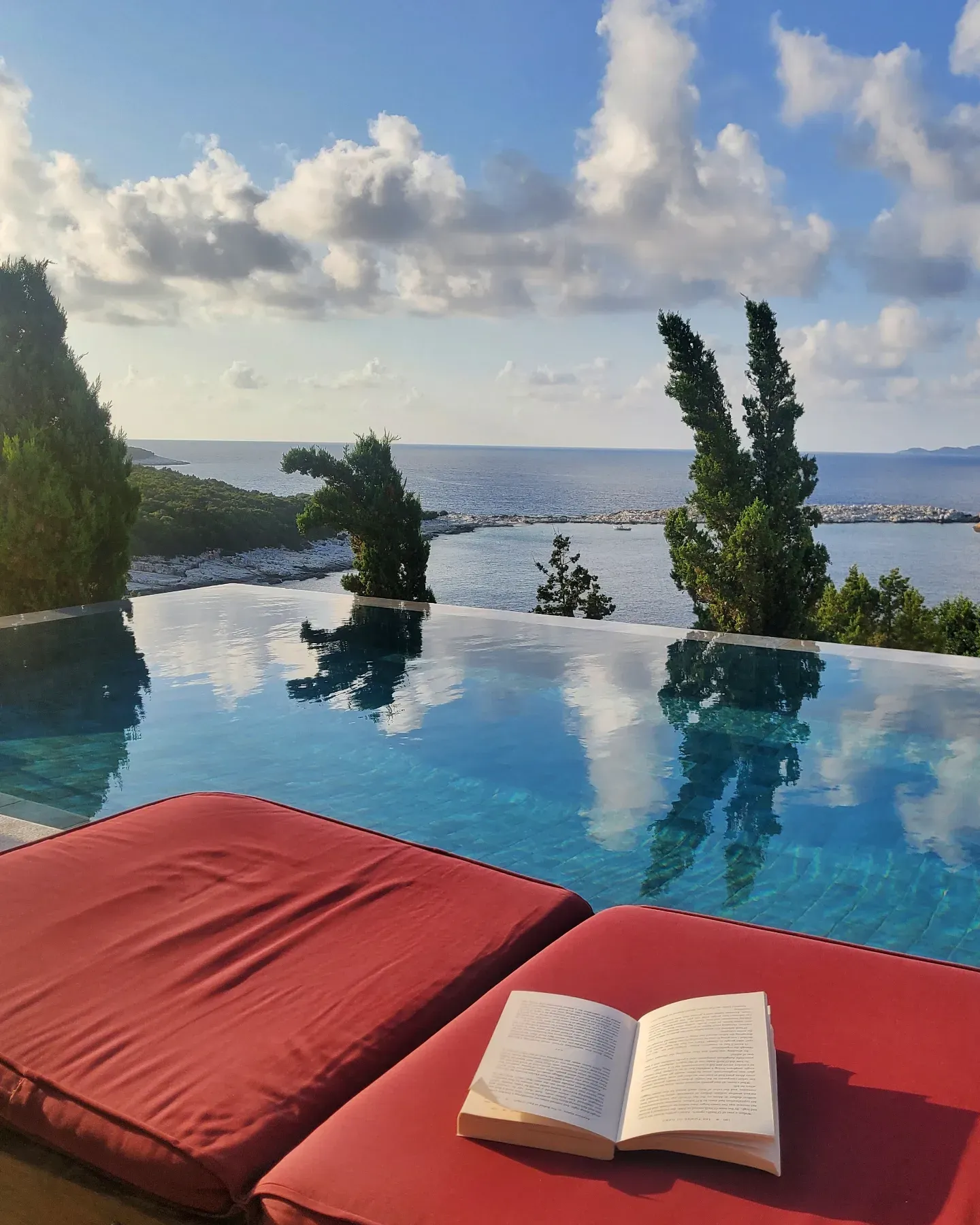
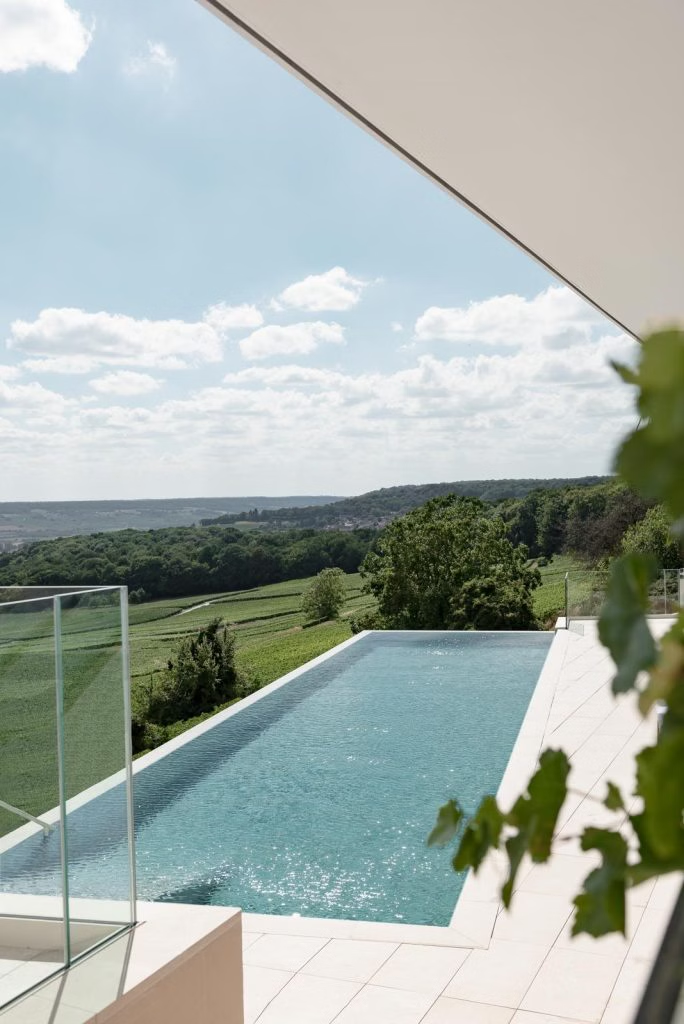
Built on the ridge above Épernay, with the vineyards of the Champagne region's UNESCO World Heritage site spread out below like a single continuous argument for the place, Royal Champagne Hotel & Spa occupies the site of an eighteenth-century coaching inn that once gave travellers their first view of the valley. The modern hotel keeps that view as its organising principle — nearly every room and the entire spa look directly down onto the rows that produce some of the world's most closely watched bottles.
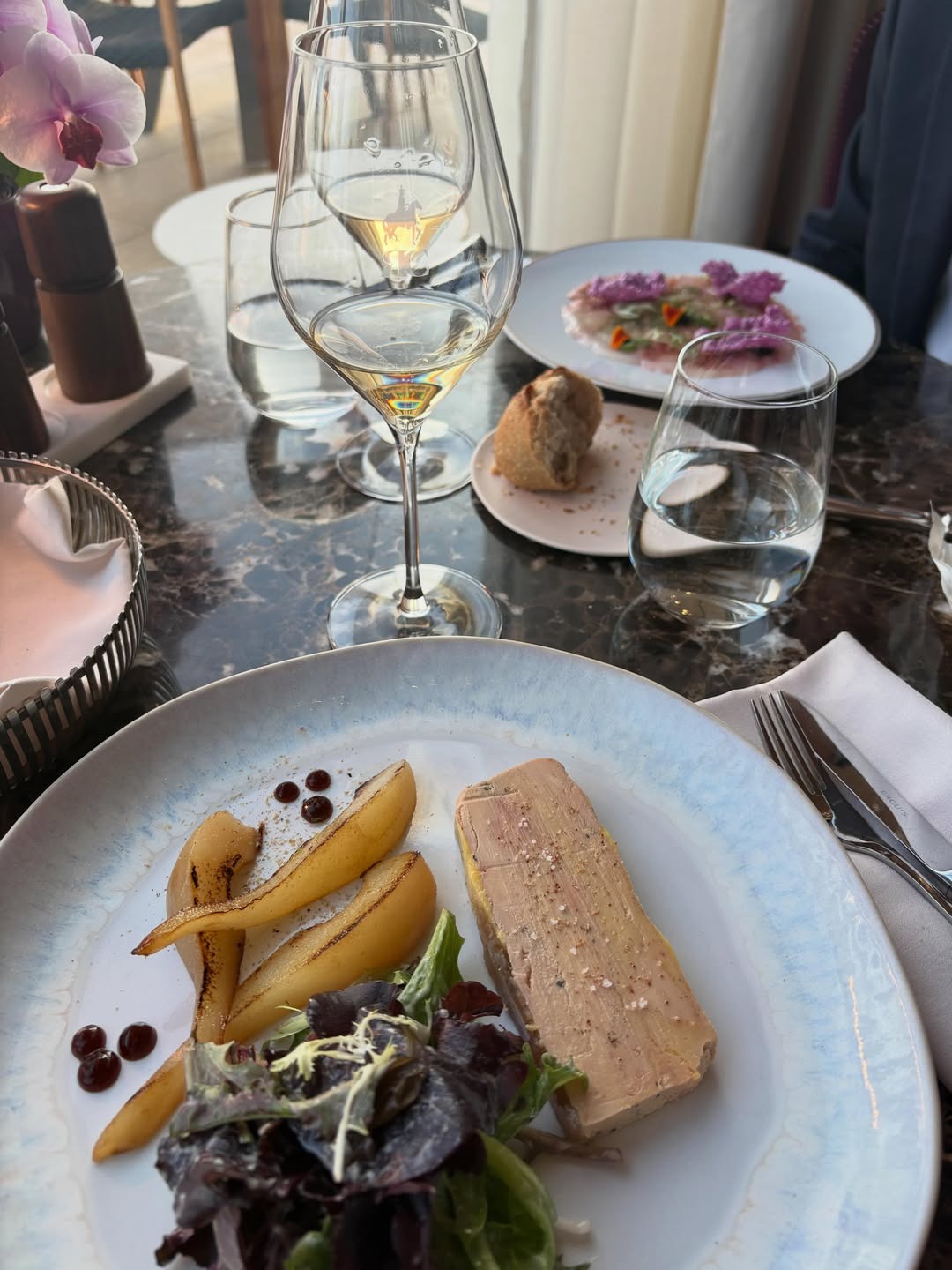
Chef Christophe Raoux runs the Michelin-starred dining room with a menu built to be drunk with Champagne rather than merely served alongside it — a distinction that changes how each course is built, from acidity to weight to the moment it's meant to arrive. The hotel sits within the Champagne Hospitality Group's wider network of growers and houses, which means the wine list reaches well past the obvious grandes marques into smaller, harder-to-find producers. The spa's pools are positioned to keep the vineyard view in frame even mid-treatment — a detail that matters more here than almost anywhere else this list goes.
MICHELIN-STARRED DINING
UNESCO WORLD HERITAGE VINEYARD VIEWS
SPA WITH VINEYARD-FACING POOLS
CHAMPAGNE HOSPITALITY GROUP WINE LIST
PRIVATE CHAMPAGNE HOUSE VISITS
ÉPERNAY 10-MINUTE DRIVE
September brings the Champagne harvest — pickers moving through the rows below the hotel, the smell of pressed grapes drifting up the ridge, and a rare chance to watch the process that produces what's in the glass that evening. Late spring offers the same vineyards turning green after a quiet winter, with significantly fewer visitors and easier access to the smaller grower-producer cellars that don't always welcome drop-ins during harvest season. Three nights covers Épernay's Avenue de Champagne and at least two house visits; a fourth allows a slower pace through the smaller villages of the Montagne de Reims.
Hotel Marqués de Riscal
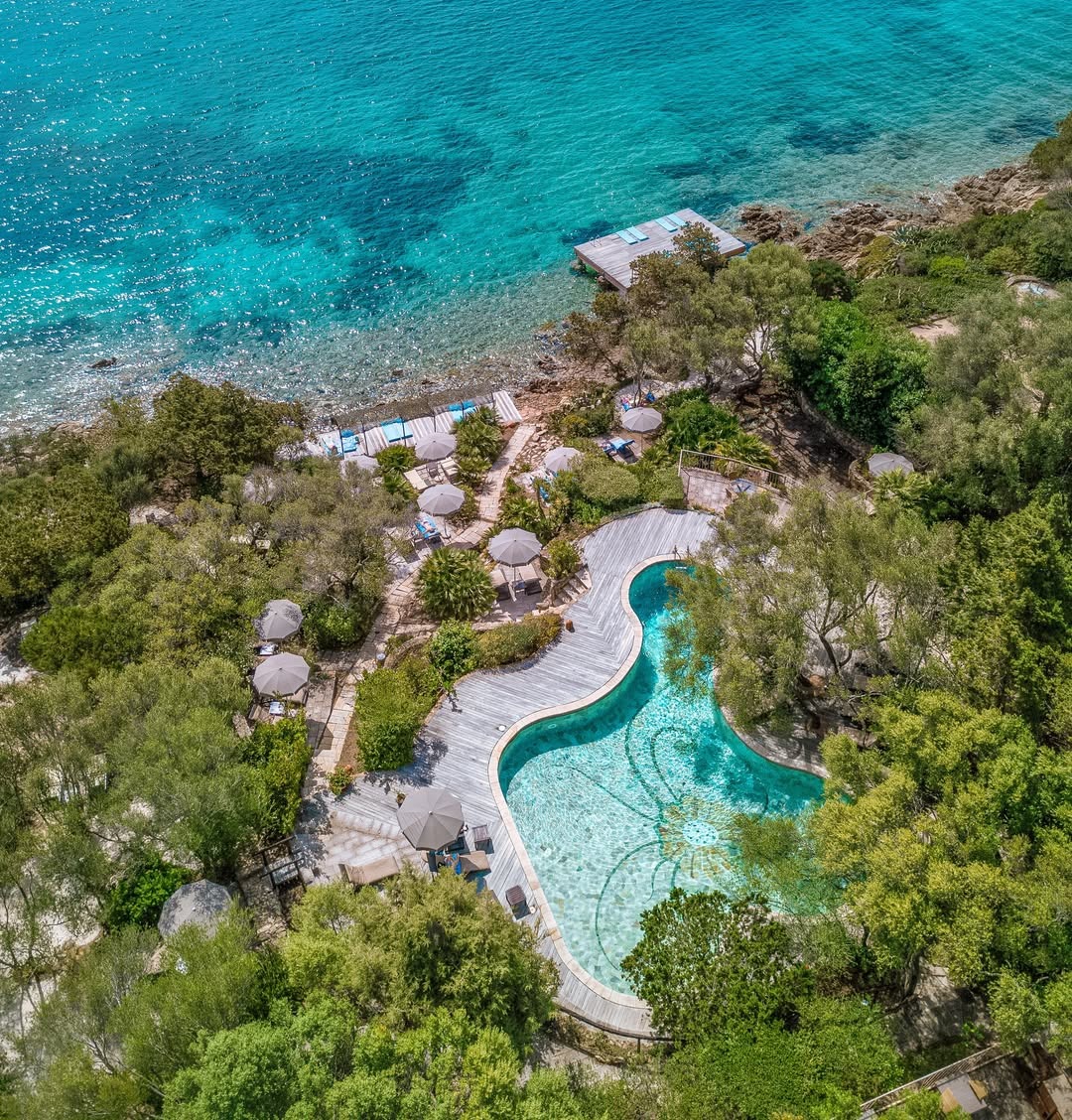
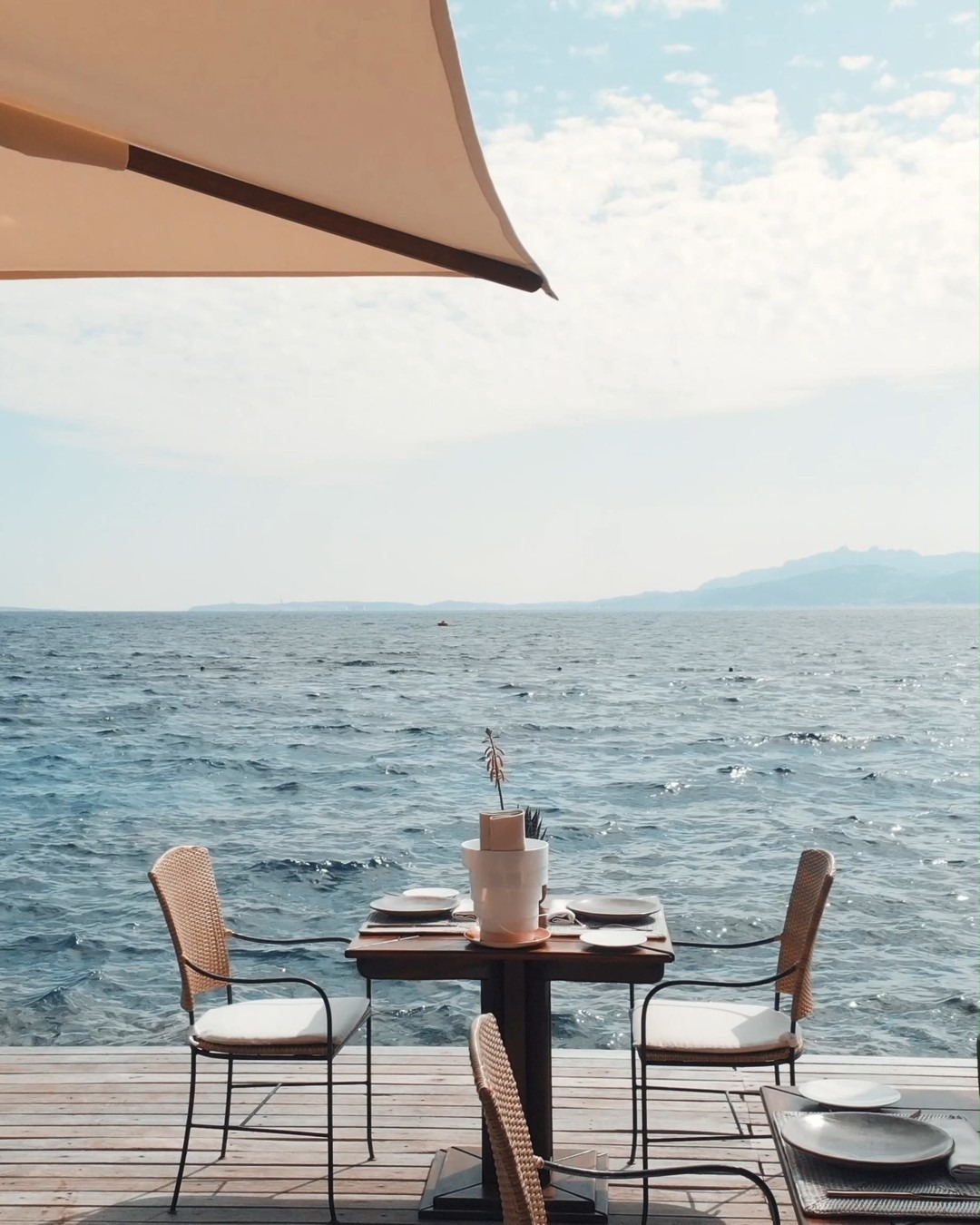
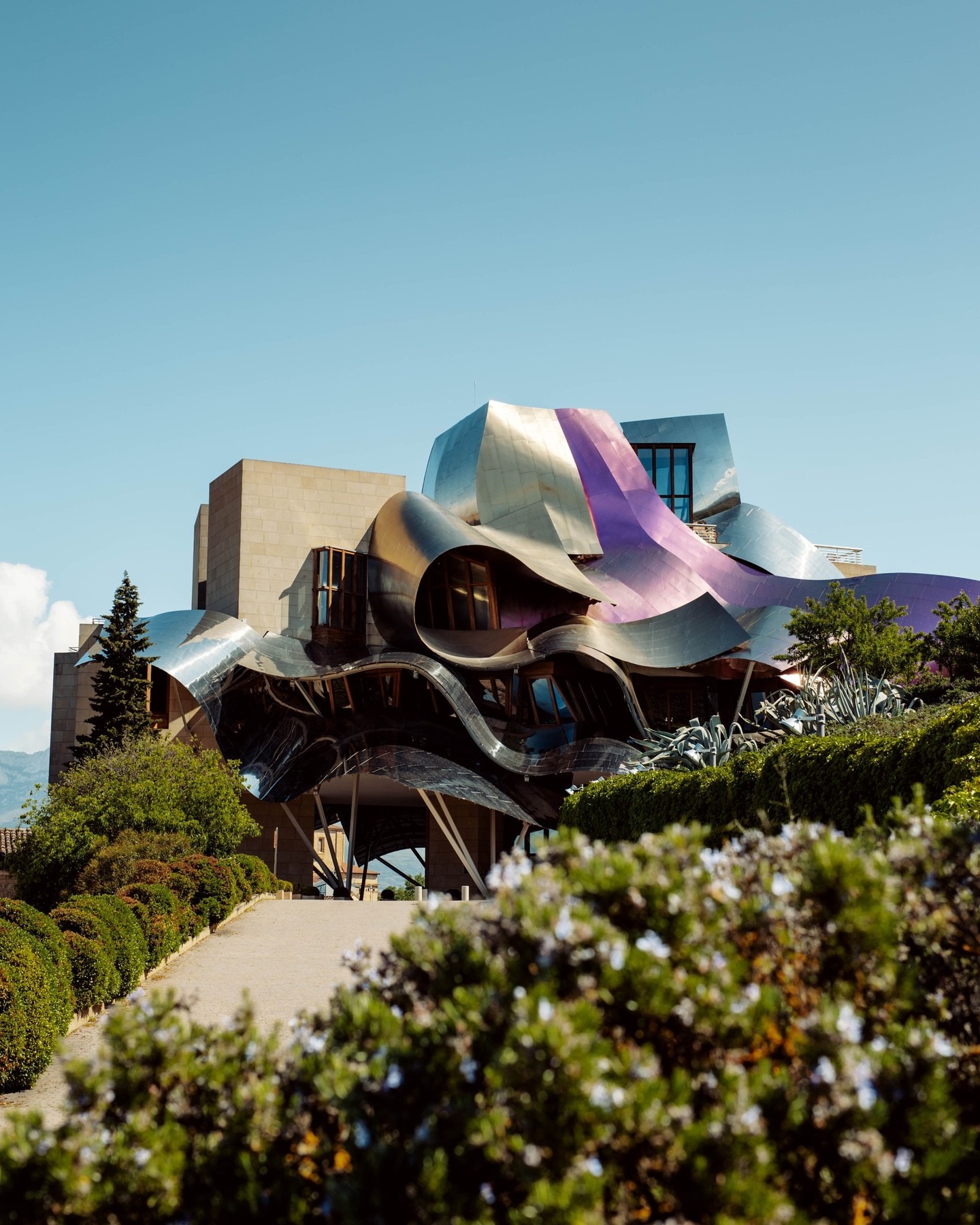
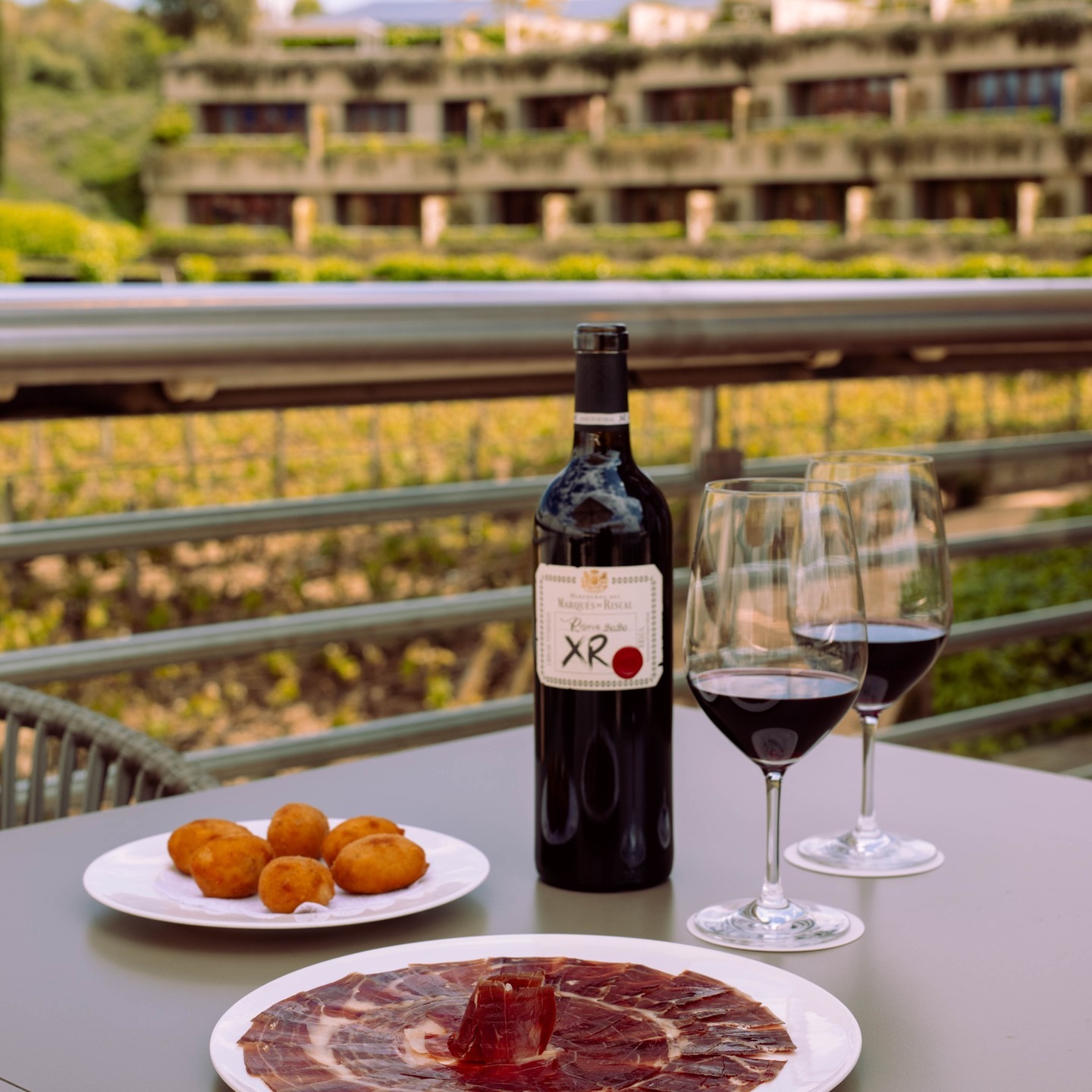
Frank Gehry's only hotel project sits inside a working winery in the village of Elciego — titanium ribbons in rose, gold, and silver erupting from the roofline of the Marqués de Riscal estate, the same architect responsible for the Guggenheim Bilbao turning his attention from a museum to a place to sleep. The winery itself predates the hotel by more than a century and a half; Gehry's building was conceived as a "City of Wine," an addition rather than a replacement, with the original bodega still producing immediately next door.
Chef Francis Paniego holds a Michelin star in the estate's restaurant, working Riojan tradition — slow-cooked lamb, market vegetables, the region's defining Tempranillo — into a tasting menu that treats the wine list as a co-author rather than an accompaniment. The Vinothérapie Spa by Caudalie runs treatments built around the antioxidant properties of crushed Cabernet grapes, a detail that sounds gimmicky until the wine barrel bath is actually in front of you. The restaurant's evening tasting menu runs an adults-only seating specifically — a detail worth knowing if the rest of the day has involved children, and one more reason this particular dinner feels like its own event.
FRANK GEHRY ARCHITECTURE
MICHELIN-STARRED RESTAURANT
WORKING WINERY ON-SITE
VINOTHÉRAPIE SPA BY CAUDALIE
ADULTS-ONLY TASTING MENU SEATING
HISTORIC BODEGA TOURS & TASTINGS
September and early October bring the Rioja harvest, with the bodega's pickers working the vines directly beneath Gehry's titanium curves — a genuinely strange and compelling juxtaposition best seen in person. May and June offer mild weather and a quieter version of Elciego before the harvest crowds arrive. Three nights covers the winery tour, the tasting menu, and at least one day exploring the wider Rioja Alavesa region's smaller producers; a fourth allows time for nearby Laguardia's medieval old town.
SB Winemaker's House & Spa Suites
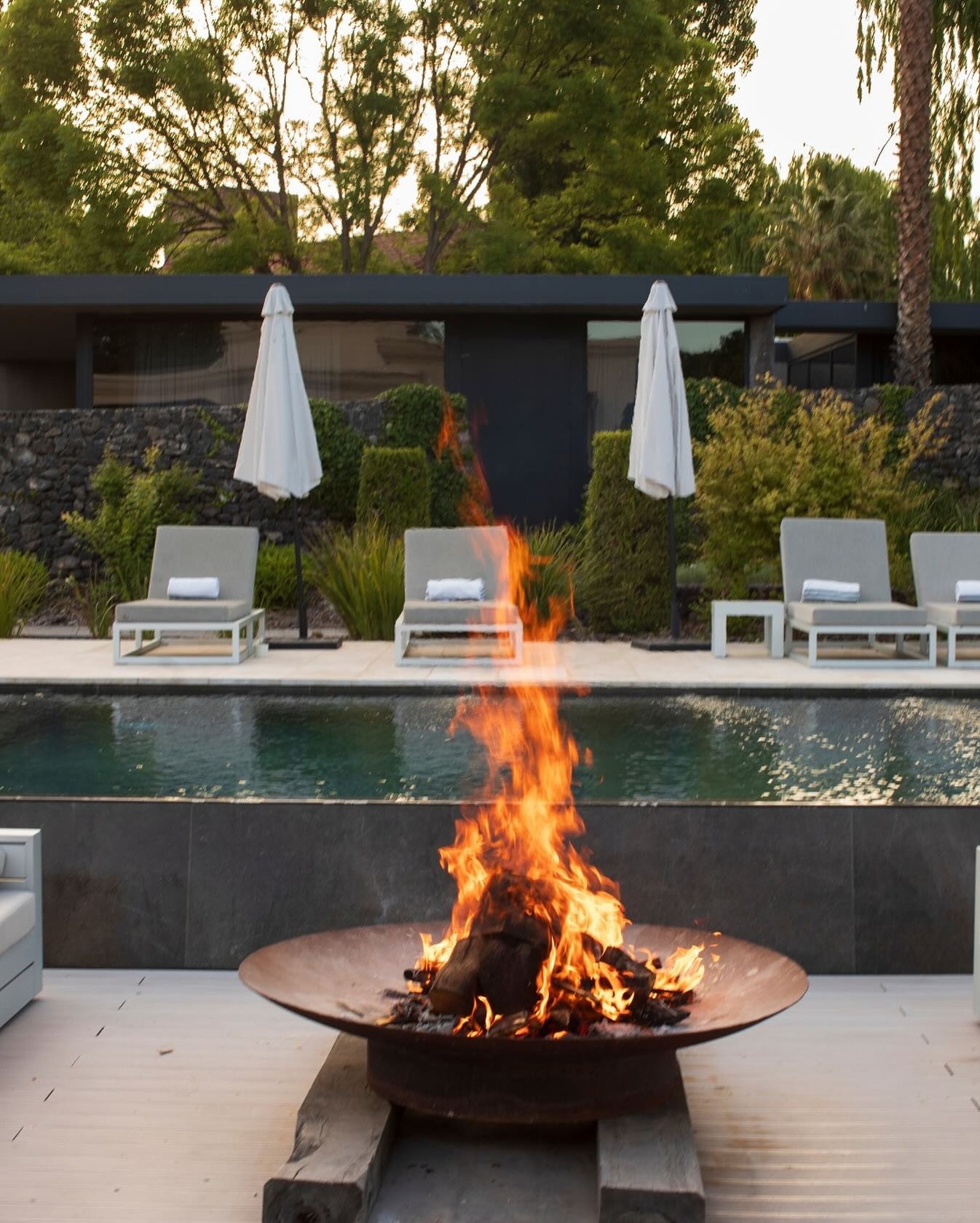
Susana Balbo became Argentina's first female winemaker in 1981 and has spent the decades since reshaping how the country thinks about Torrontés, presiding three times over Wines of Argentina and earning a place in the Decanter Hall of Fame along the way. SB Winemaker's House, opened with her daughter Ana Lovaglio Balbo in the family's former residence in Chacras de Coria, is the result of that legacy turned into seven suites — strictly adults-only, each one its own private spa with a heated soaking tub, sauna or steam room, and a garden firepit that makes the Andes feel close enough to touch.
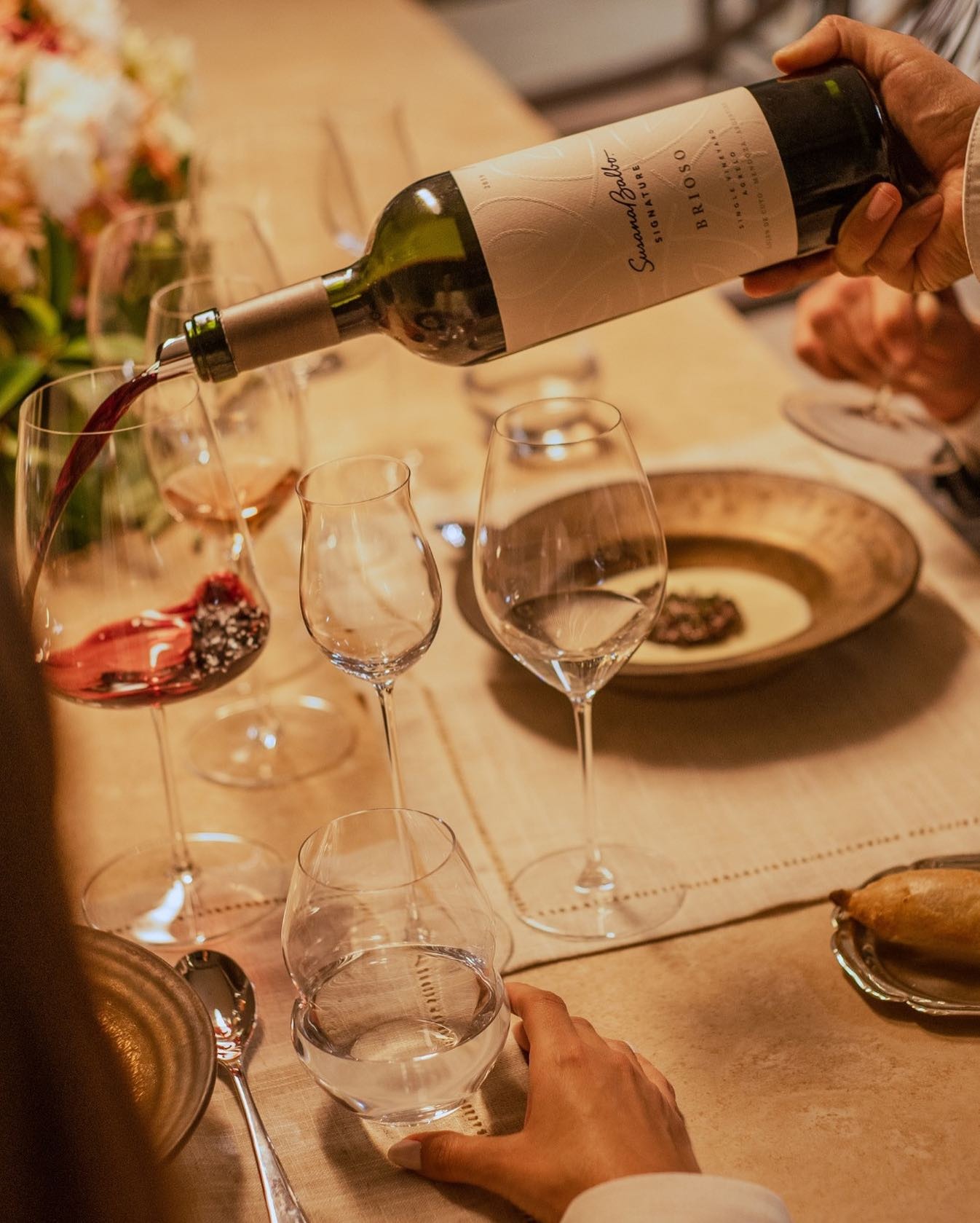
La Vida, the estate's restaurant, runs under chef Flavia Amad with a seven- or fourteen-course tasting menu built around Balbo's own wines — every pour drawn from a cellar the family has spent four decades building. The property holds two MICHELIN Keys and Relais & Châteaux membership, and the scale stays deliberately small: seven suites means dinner some nights feels closer to a private table than a restaurant seating. Forty minutes from Mendoza's airport, close enough to the city for a day trip and far enough that the vineyard silence at night is total.
SEVEN ADULTS-ONLY SPA SUITES
TWO MICHELIN KEYS
RELAIS & CHÂTEAUX
LA VIDA — 7- OR 14-COURSE TASTING MENU
IN-SUITE SAUNA OR STEAM ROOM
PRIVATE GARDEN WITH FIREPIT for EACH SUITE
March brings Mendoza's grape harvest — the Vendimia season, when the region's vineyards are at their most active and the city itself hosts an LGBTQ+ harvest festival, Vendimia Para Todos. April and May offer the same harvest energy with cooler, more comfortable days for vineyard touring. Argentine winter (June through August) is quiet and clear, better suited to the spa suites and the Andes views than to active wine-route exploring. Four nights allows time for La Vida's longer tasting menu, a full day at the Susana Balbo winery in Agrelo, and at least one unhurried morning doing nothing at all in the suite's own garden.
Leeu House
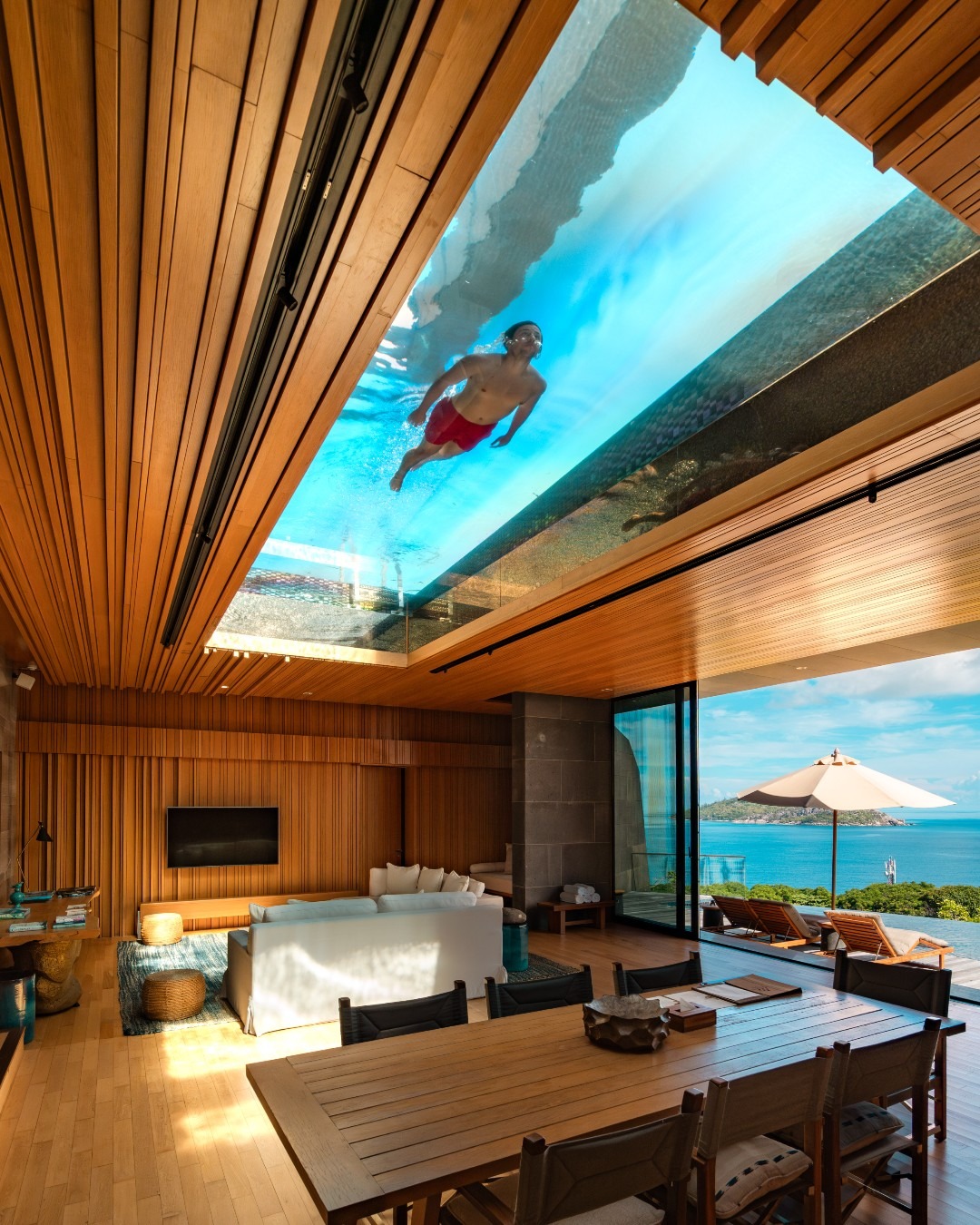

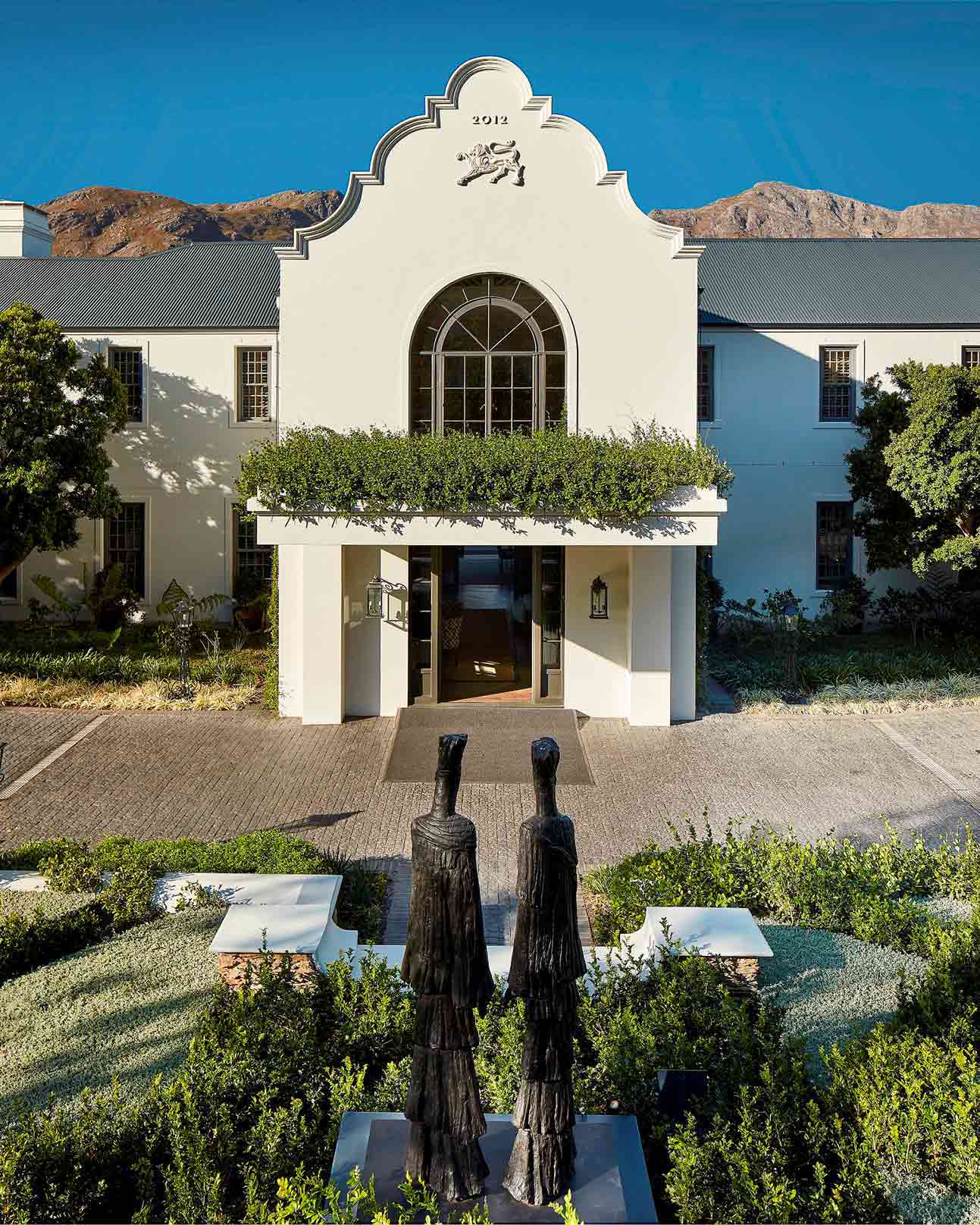
Franschhoek has been called the gastronomic capital of Africa often enough that the description has stopped sounding like marketing — French Huguenot heritage, a valley of working wine estates, and a village high street with more serious kitchens per block than anywhere else in the country. Leeu House sits directly on that high street, a restored Cape Dutch guesthouse that welcomes guests eighteen and older only, its twelve suites arranged around a private garden and pool that make the centre of the village feel, somehow, like a hideaway.
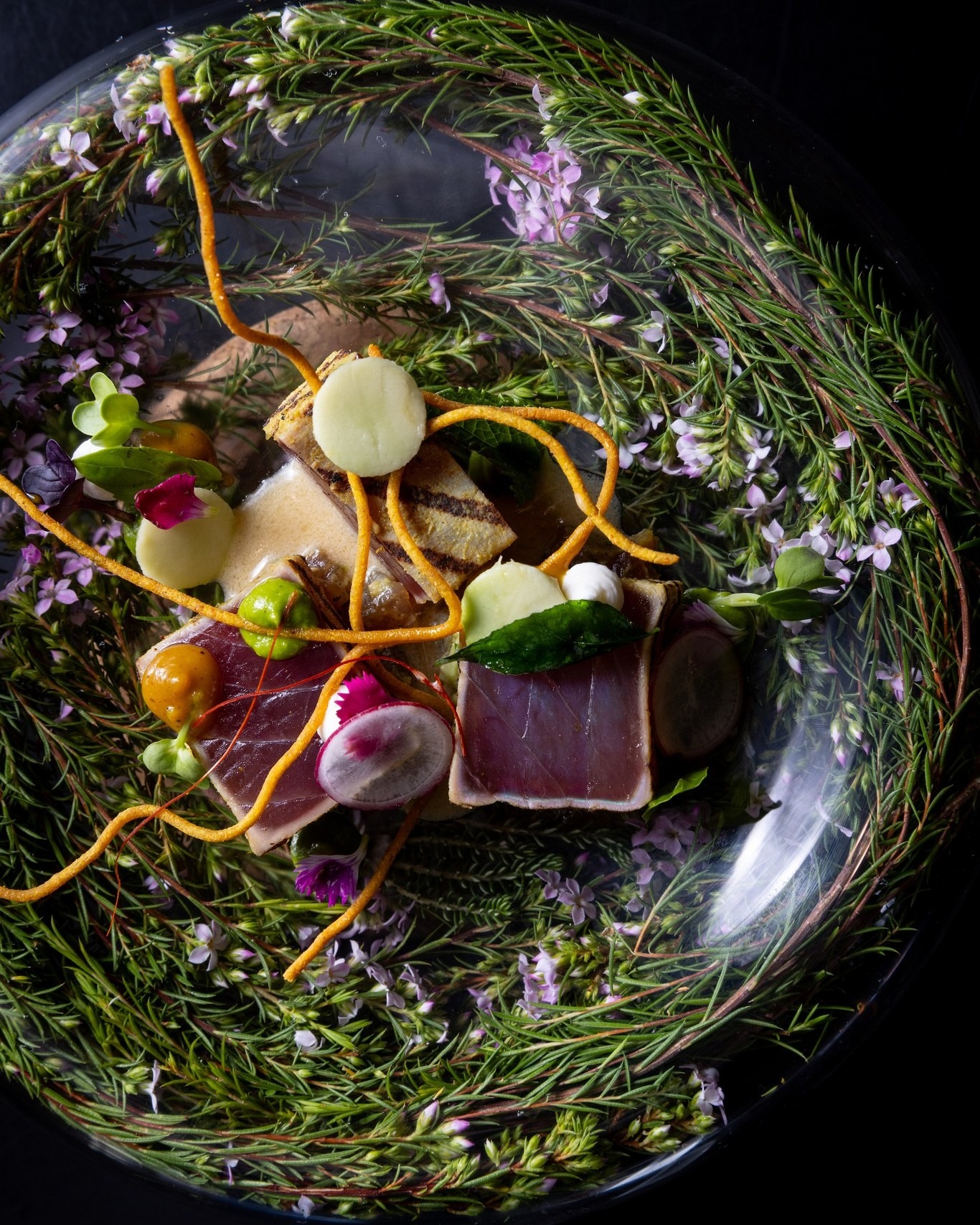
A complimentary shuttle connects guests to La Petite Colombe at sister property Leeu Estates, run by the team behind La Colombe and counted among South Africa's most acclaimed tables — and to Épice and Protégé at Le Quartier Français, two more kitchens in the same collection, each with its own register. The Great Heart Wines boutique, a staff-owned project from Mullineux & Leeu Family Wines, runs private tastings for Leeu House guests specifically. The effect is a single adults-only base with access to four serious kitchens and a cellar's worth of Cape wine, none of it more than a short walk or a free shuttle ride away.
ADULTS-ONLY PROPERTY
MICHELIN KEY DESIGNATION
ACCESS TO LA PETITE COLOMBE
ÉPICE & PROTÉGÉ AT LE QUARTIER FRANÇAIS
PRIVATE GARDEN & POOL
GREAT HEART WINES PRIVATE TASTINGS
February through April is Franschhoek's harvest season — warm, dry, and the valley's wine estates at their most active, with the Franschhoek Wine Tram running its full seasonal circuit between cellar doors. November through January brings the Cape's full summer: long days, busier restaurants, and worth booking the collection's tables well ahead. Winter (June through August) is quieter and cooler, better suited to long lunches by the fire than vineyard walking. Four nights covers the village's core restaurants at an unhurried pace, with a full day reserved for the wider Cape Winelands beyond Franschhoek itself.
YOU BELONG EVERYWHERE.
© 2026 OUTINRY.