THE HONEYMOOON EDIT
Cultural · Dense
Six places built on layers — empire, faith, craft, and ceremony stacked one on top of the other, with a hotel at the centre of each that knows exactly how to show it to you.
Six places built on layers — empire, faith, craft, and ceremony stacked one on top of the other, with a hotel at the centre of each that knows exactly how to show it to you.
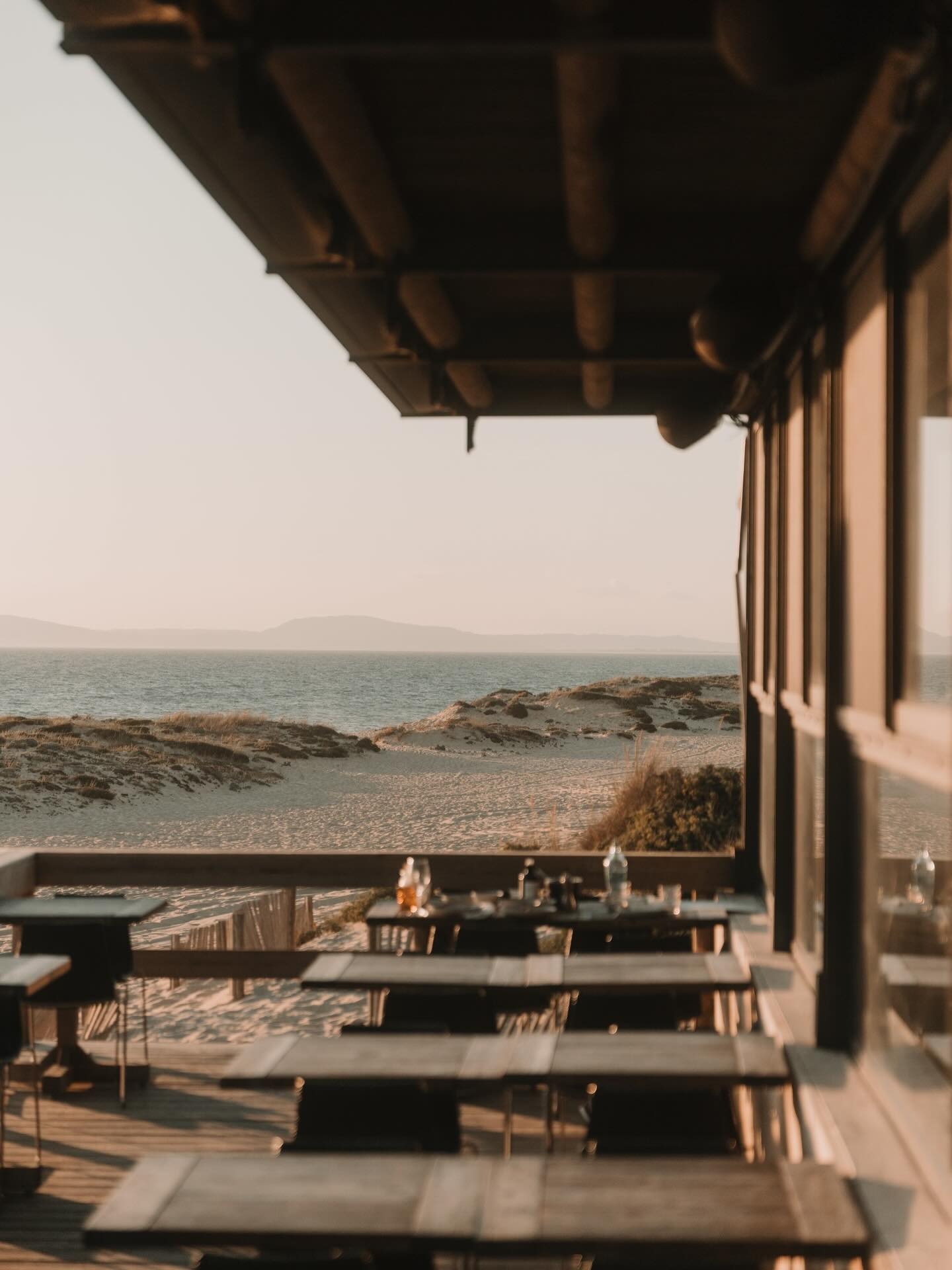
A coastal honeymoon asks for very little of you. A cultural one asks for curiosity. These six destinations reward travellers who want their days structured around something — a palace, a monastery, a temple complex, an art quarter — rather than a stretch of sand. The hotels here were chosen because they sit inside the history rather than beside it: a 1746 lake palace in Rajasthan, a 1592 monastery two blocks from Cusco's main square, a former convent in Oaxaca that has been a prison, a school, and a chapel before it was ever a hotel. Each one turns the act of staying still into a way of understanding the place around it.
What unites them isn't geography but density — the sense that history here was never cleared away to make room for tourism, but built around instead. Vienna's opera houses sit a five-minute walk from contemporary galleries; Angkor's temples rise out of jungle that a luxury spa now borders; Florence's Renaissance churches share a skyline with Ferragamo's family hotel. None of these cities perform their history for visitors. They simply continue living inside it, which is precisely what makes them worth the trip.
Taj Lake Palace

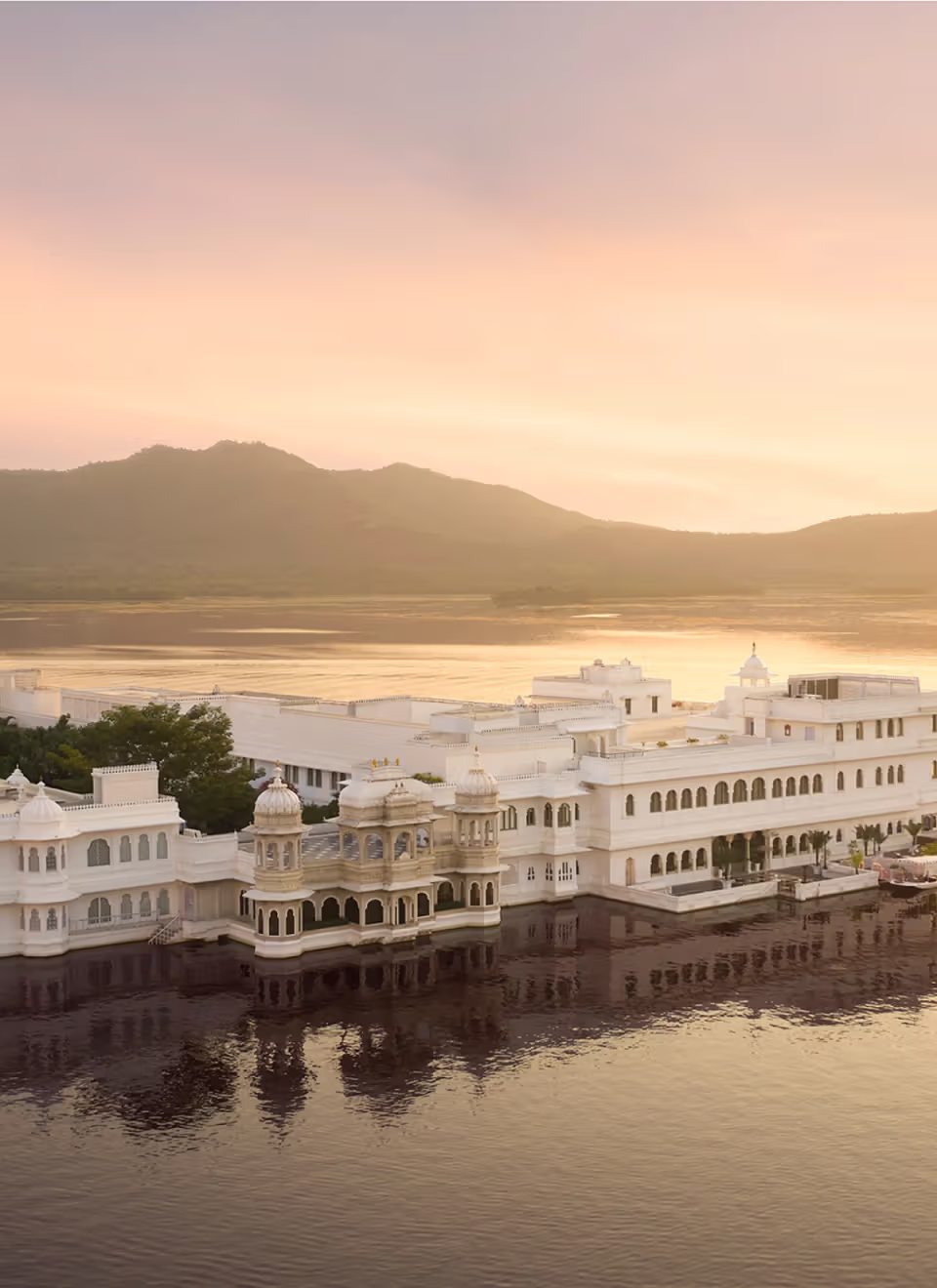
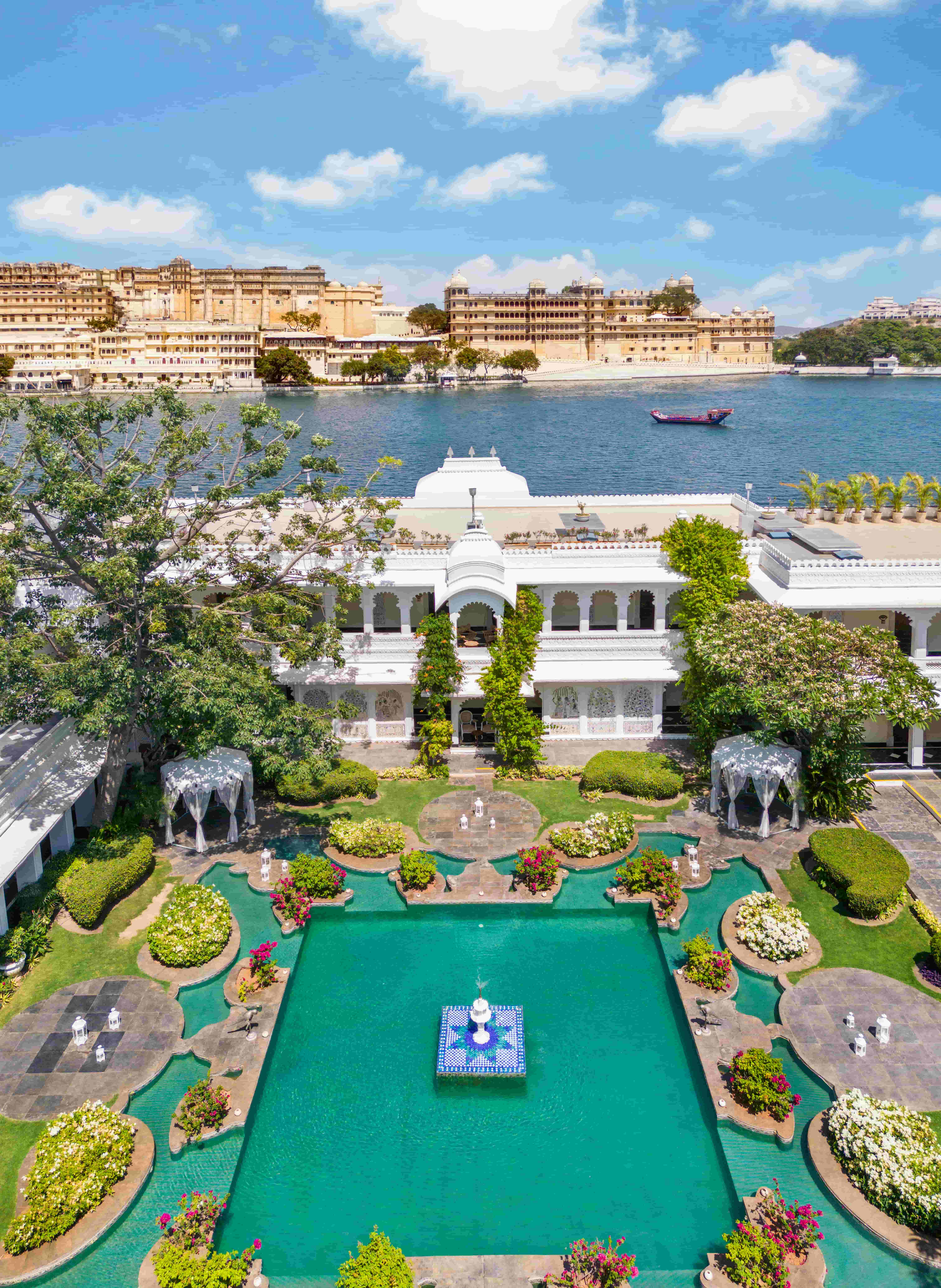
Built in 1746 as the summer retreat of the Maharanas of Mewar, Taj Lake Palace rises directly out of Lake Pichola as if the water itself were holding it up. The white marble exterior gives no warning of the interior's color — courtyards lined with hand-carved pillars, lily ponds where the Maharana once meditated, and chambers furnished in silk and teak that have hosted royalty, poets, and a fair number of film crews since. Arrival is by boat, which means the city recedes behind you before the palace comes fully into view.
Days here move at the pace the palace sets. Heritage walks trace the building's three centuries of history room by room; an astrologer is available for those who want a reading; the Jiva Spa Boat offers treatments on the water itself, which is not a thing most hotels can claim. City Palace sits a five-minute boat ride away, and the old town's bazaars — for block-printed textiles, miniature paintings, silver — are close enough to fold into an afternoon. Dinner at Neel Kamal serves Mewari recipes drawn from the royal kitchens; Bhairo, the rooftop restaurant, does the same under open sky.
Jiva Spa with floating Spa Boat
Three restaurants
Guided heritage walks and astrology sessions
Butler service
hot/cold spa pool
Vintage car tours of the city
October through March brings Udaipur's most comfortable temperatures, with clear skies for the lake crossing and cool evenings on the rooftop. Note that Taj Lake Palace's guest rooms are scheduled for renovation from late April through September 2026 — couples planning travel during that window should confirm current availability directly, or aim either side of it. Three to four nights allow time for the palace itself, the City Palace complex, and at least one unhurried day in the old town.
Sans Souci Wien
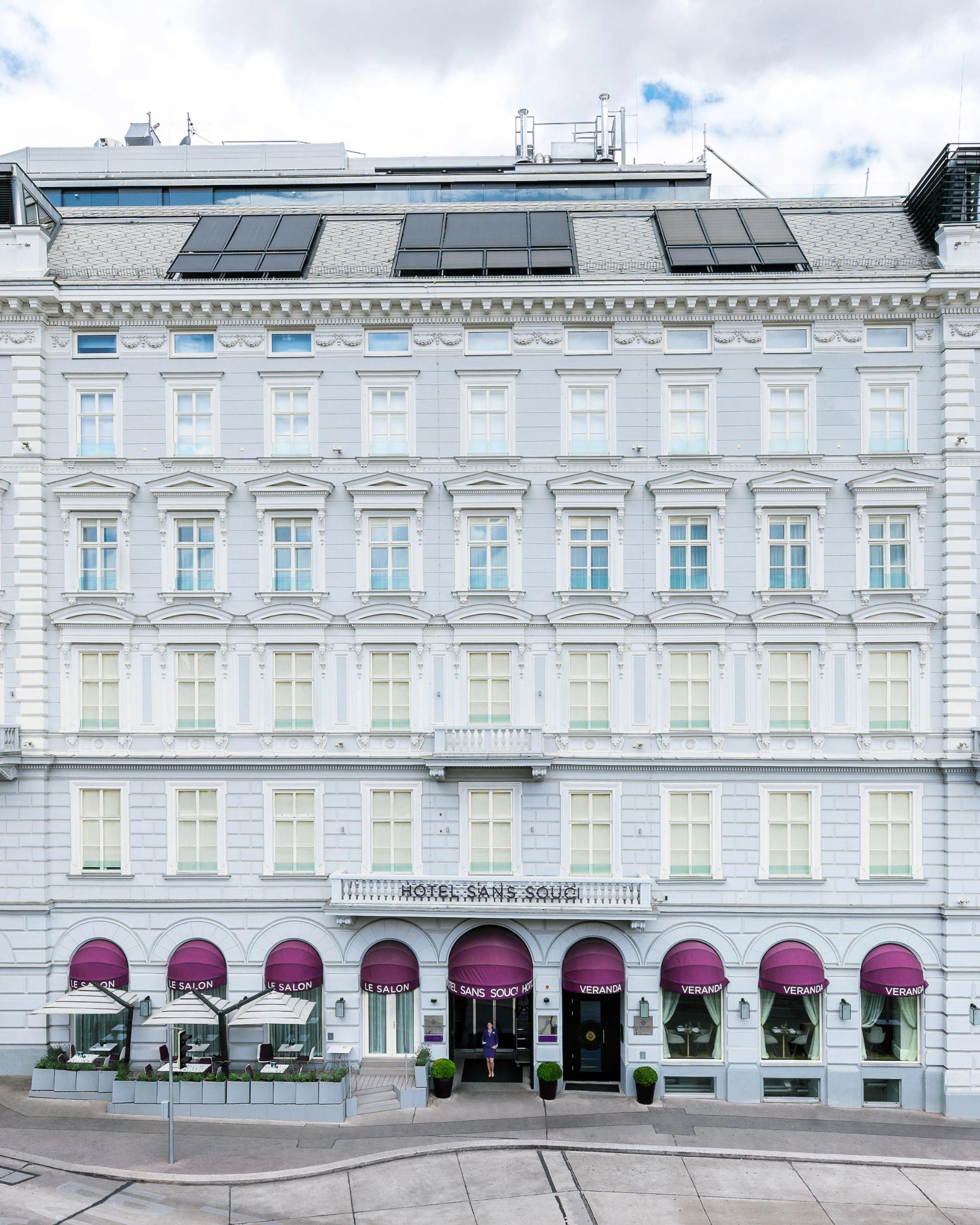
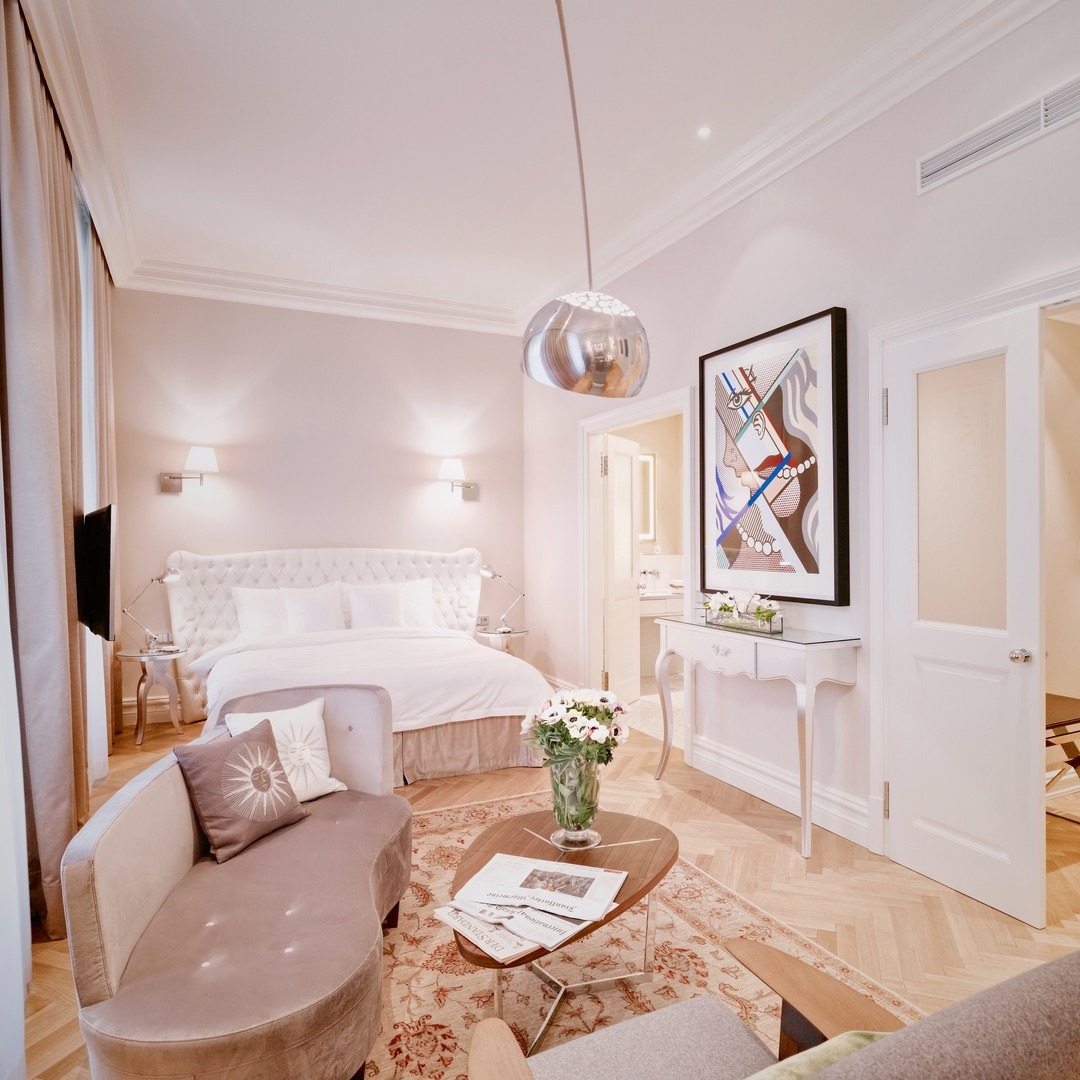
Sans Souci occupies a building with its own minor history — once a restaurant where Johann Strauss premiered the Tritsch-Tratsch-Polka, later rebuilt for the 1873 World Exhibition, now a boutique hotel directly across from the MuseumsQuartier. The 71 rooms and suites, designed by studio YOO, are hung with an unusually serious private art collection, and the whole property carries two Michelin Keys and 97 Falstaff points — credentials that matter less than the fact that Vienna's most significant museums are a two-minute walk from the front door.
The city rewards exactly the kind of looking this hotel is built for. The Leopold Museum and mumok sit across the square; the Ring Boulevard's imperial architecture is a short stroll east; the State Opera and the Belvedere are both within easy reach for an evening built around music or Klimt. Back at the hotel, the Sans Souci Spa holds Vienna's longest indoor hotel pool at twenty metres, lit beneath hanging chandeliers, and Veranda Brasserie & Bar runs a seasonal Austrian menu built on organic, regional ingredients.
VIENNA'S LONGEST INDOOR HOTEL POOL
TWO MICHELIN KEYS
VERANDA BRASSERIE & BAR
STEPS FROM MUSEUMSQUARTIER
TAG APPROVED CERTIFICATION
PRIVATE ART COLLECTION
Spring and autumn bring mild weather and full opera and concert seasons without the summer crowds. Vienna's museum quarter and historic centre reward at least three nights, with a fourth if the State Opera's calendar lines up with your dates.
Belmond Hotel Monasterio

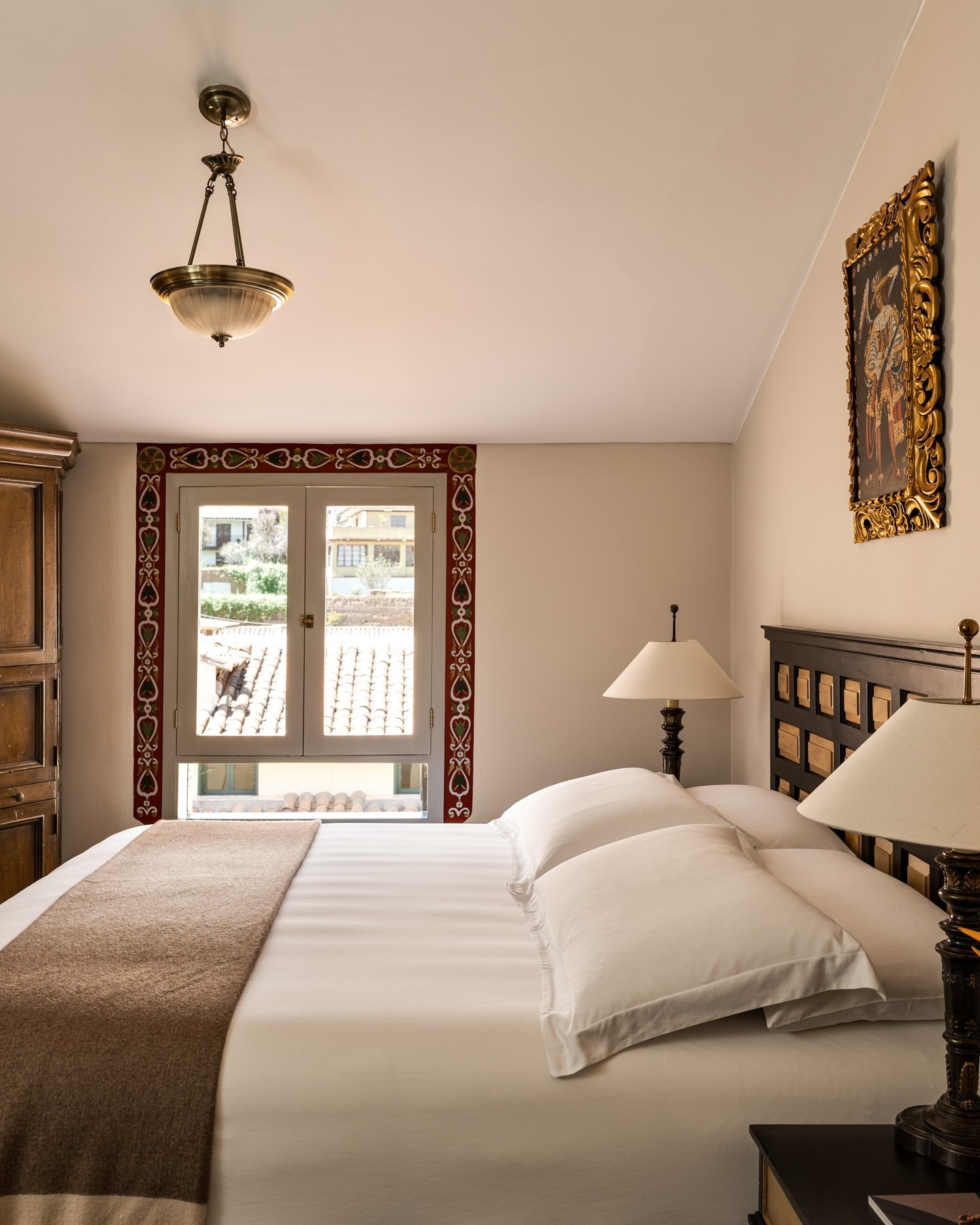
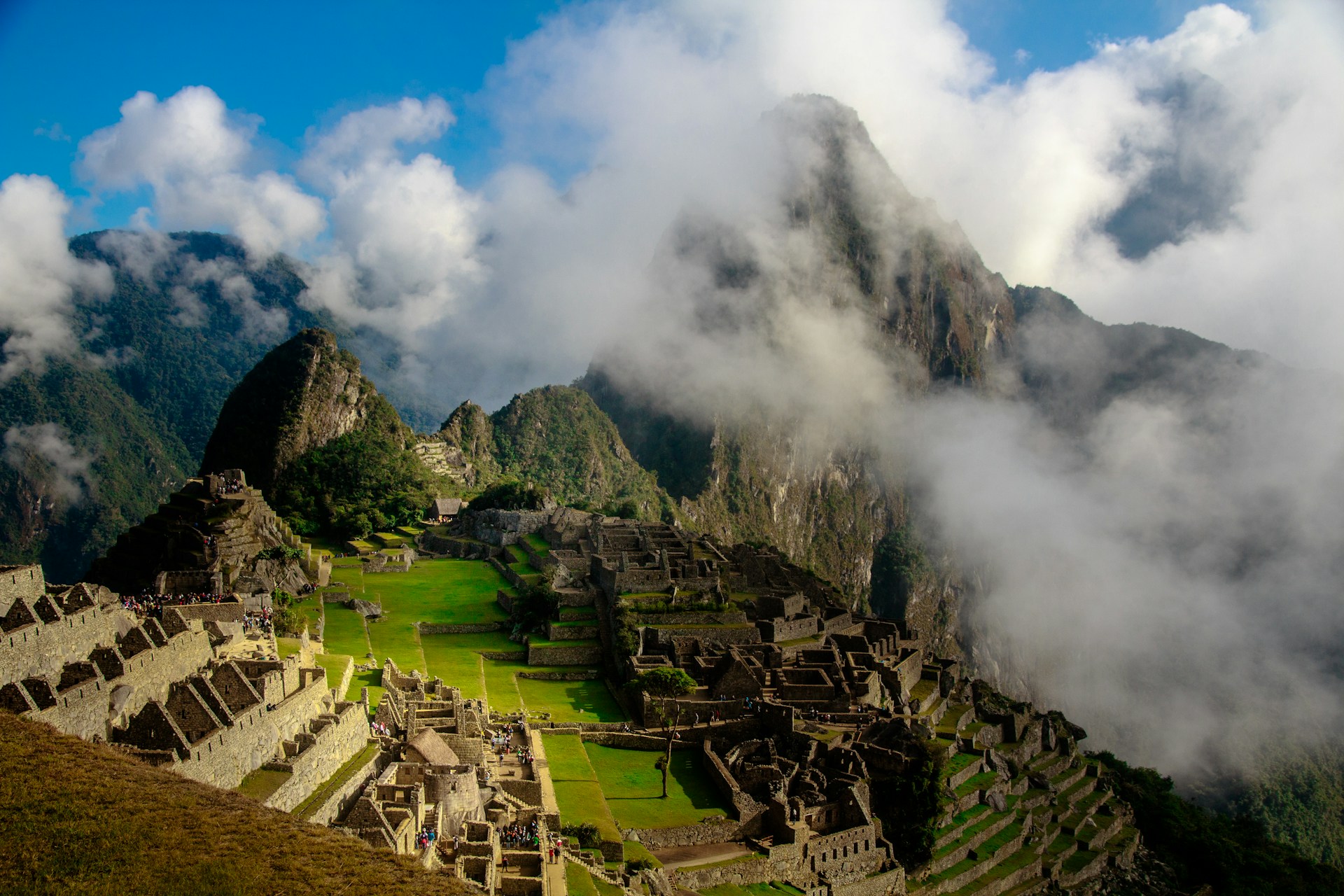
Belmond Hotel Monasterio occupies a seminary built in 1592, two blocks from Cusco's Plaza de Armas, and the building has lost none of its gravity in the conversion. Stone archways frame a central courtyard shaded by a centuries-old cedar tree; a chapel dating to 1595 still stands at one end, its walls covered in religious art that predates the hotel by two hundred years. Rooms come with oxygen enrichment available on request — a practical nod to Cusco's 3,400-metre altitude that most properties don't bother with.
This is a city built for slow exploration rather than nightlife — the Sacred Valley, Sacsayhuamán, and Machu Picchu itself are all within reach, and the hotel's own art tours through its collection of eighteenth-century religious paintings are worth an afternoon on their own. Illariy and El Tupay, the two on-site restaurants, draw on Peruvian and international technique in roughly equal measure, and the lobby bar's pisco sours have become something of a ritual for departing guests. The hotel is IGLTA-affiliated, with a stated welcome for LGBTQ+ travellers built into how it operates rather than added as an afterthought.
TWO RESTAURANTS
1595 CHAPEL & ART COLLECTION
OXYGEN-ENRICHED ROOMS
IGLTA-AFFILIATED
ANDEAN-INSPIRED SPA
TWO BLOCKS FROM PLAZA DE ARMAS
May through September is Cusco's dry season and the clearest window for Machu Picchu and the Sacred Valley, though it is also the most crowded. Plan at least one full day to acclimatise to the altitude before any serious sightseeing — coca tea is offered everywhere, and the hotel's elevation-conscious amenities are worth using on arrival.
Legal Note: Same-sex relationships are legal throughout Peru, though marriage equality has not yet been enacted nationally. Public affection is generally accepted within the central tourist areas of Cusco and discreet elsewhere — the same light discretion already familiar from destinations like Istanbul or Havana, rather than anything more restrictive.
La Résidence d'Angkor, A Belmond Hotel
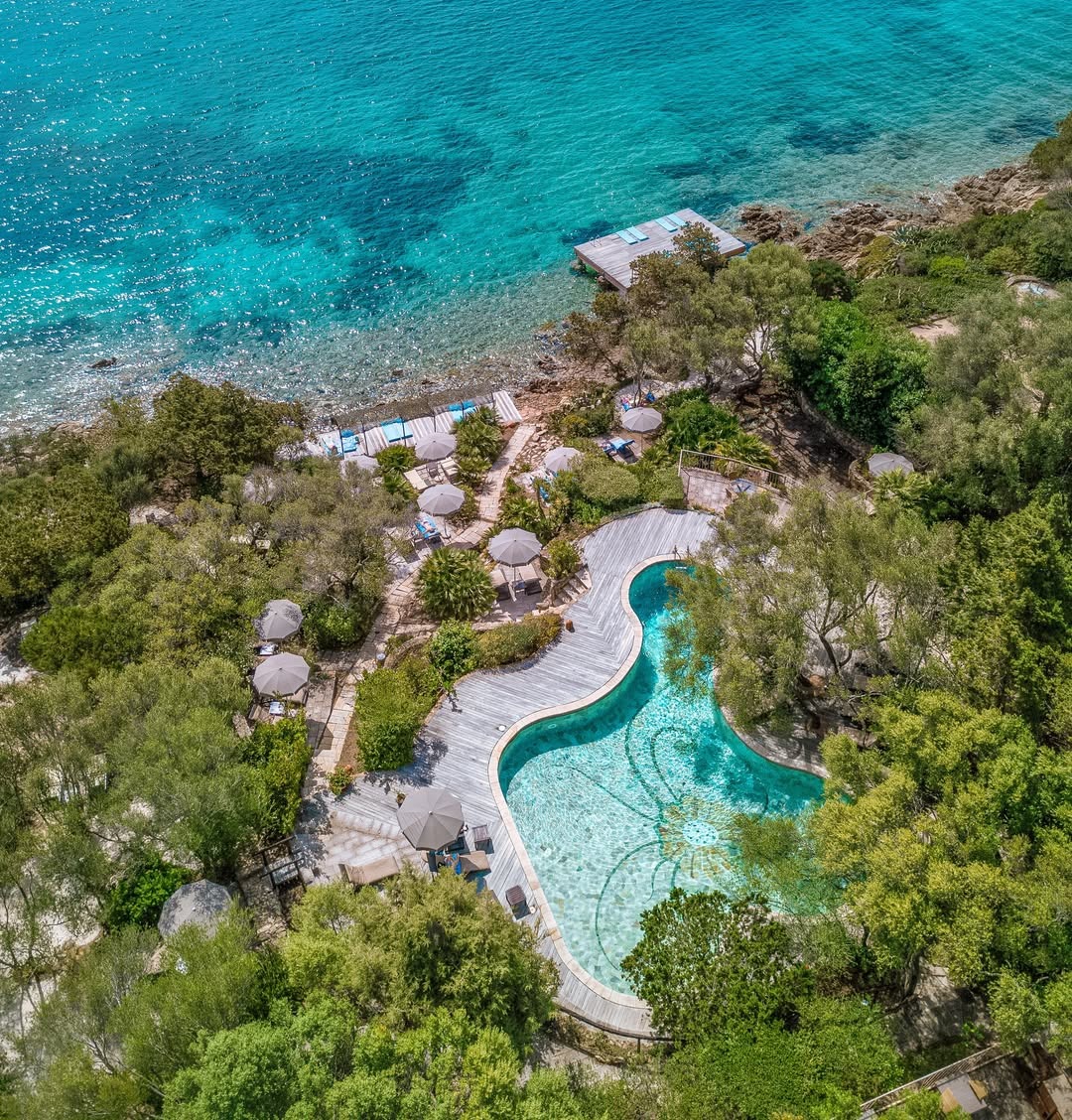
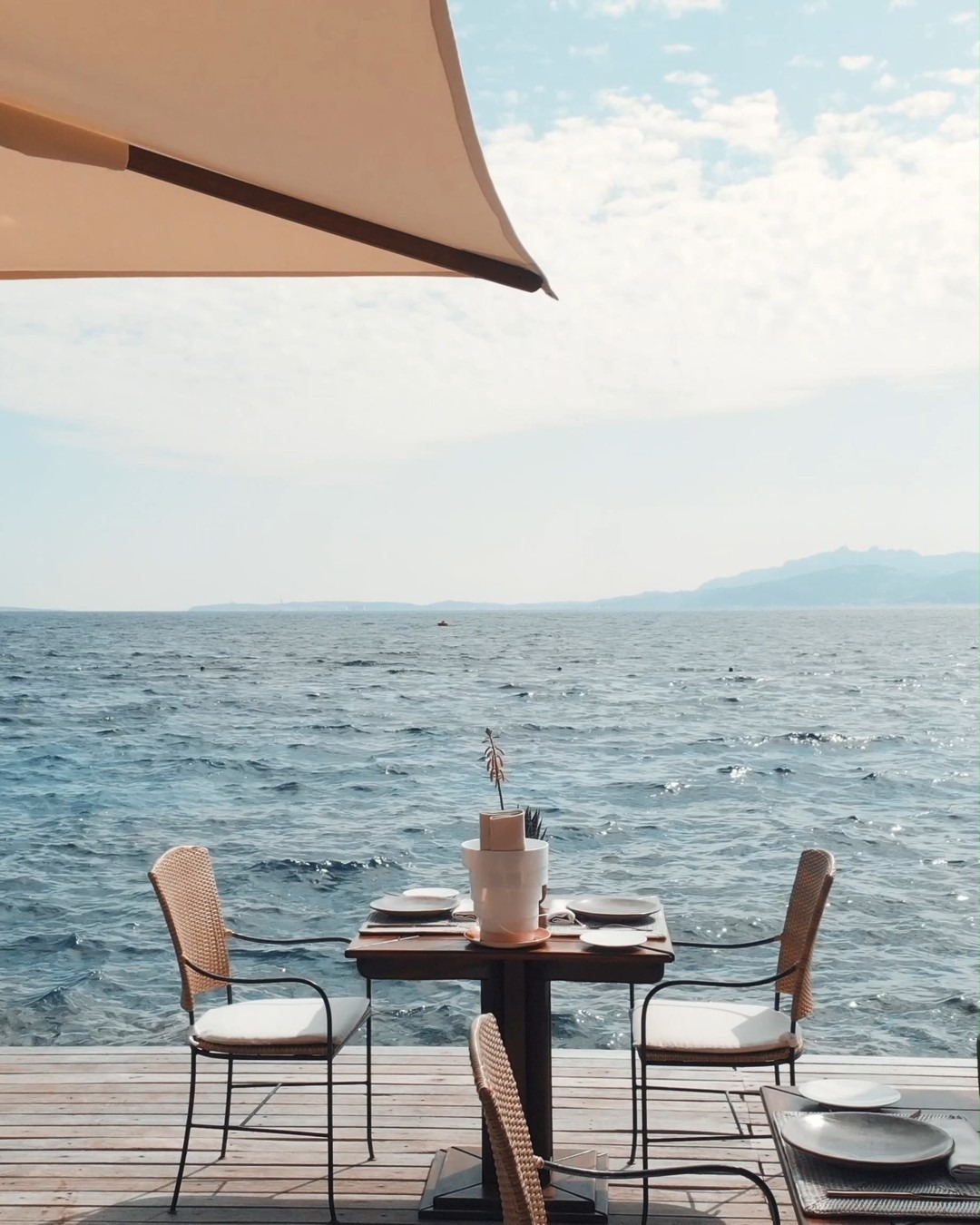
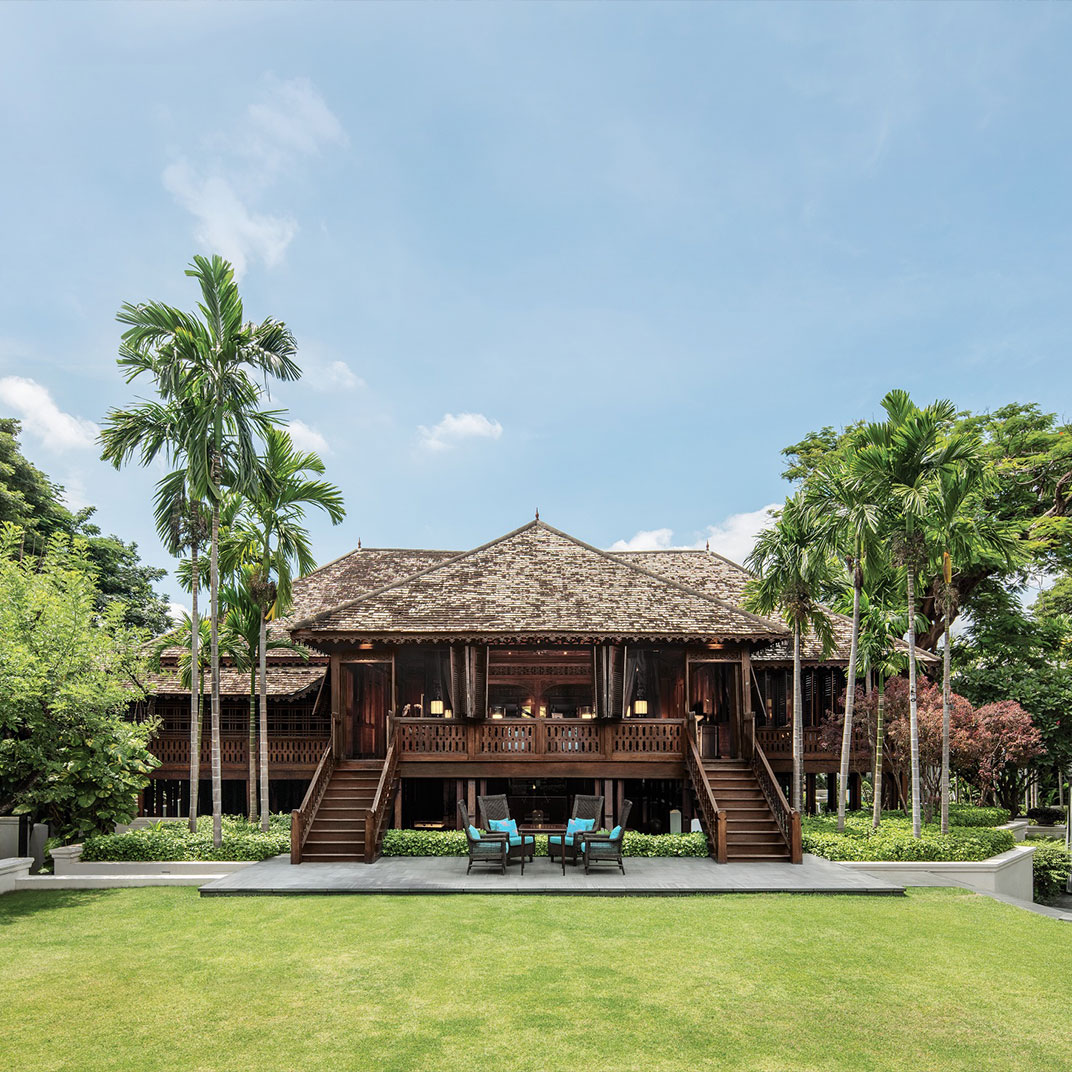
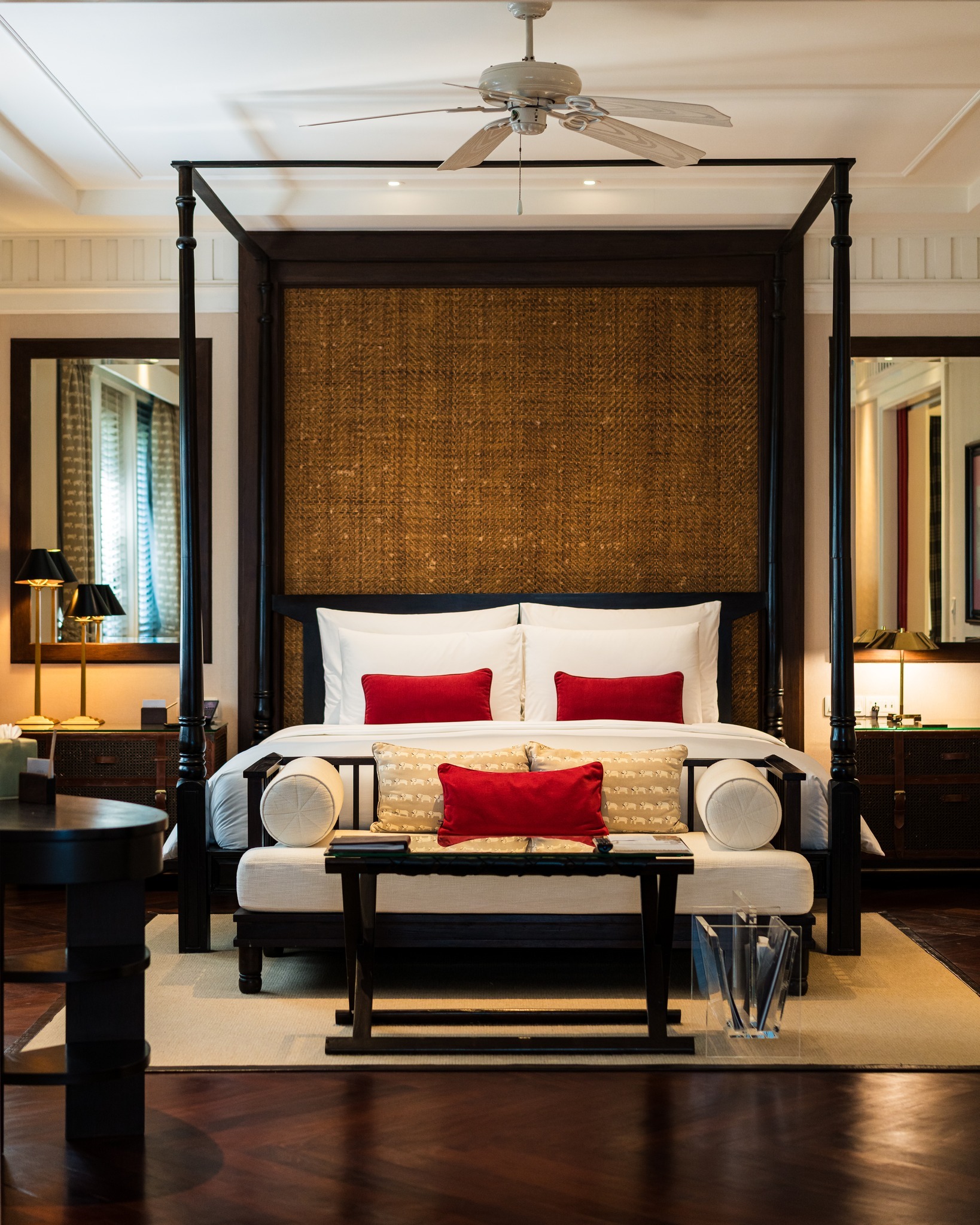
Set on the banks of the Siem Reap River, La Résidence d'Angkor was built in traditional Khmer style — timber construction, vaulted roofs, jewel-toned silk furnishings — and positioned close enough to the temple complex that Angkor Wat is a short drive rather than a planned expedition. The 59 rooms and suites open onto private terraces facing either the river, the pool, or the tropical gardens that wrap the property, and the overall effect is closer to a sanctuary than a hotel.
Angkor itself is the obvious centrepiece — the temple complex spans hundreds of structures across several centuries, and most visitors give it at least two full days, ideally with an early start to beat both heat and crowds. Back at the hotel, the Kong Kea Spa was recognised by Condé Nast Traveler and remains one of Siem Reap's most respected wellness addresses, with Khmer herbal treatments alongside more conventional therapies. Circle restaurant serves Khmer and international dishes in a setting that opens onto the garden; Ember handles the poolside grill in the evenings.
AWARD-WINNING KONG KEA SPA
TWO RESTAURANTS: CIRCLE & EMBER
OUTDOOR POOL & TROPICAL GARDENS
BICYCLE HIRE & TEMPLE TOURS
RIVERSIDE SETTING
SHORT DRIVE TO ANGKOR WAT
November through February brings Cambodia's cooler, drier season and the most comfortable conditions for full days at Angkor. Three nights is a practical minimum given the scale of the temple complex; four allows a more unhurried pace, with time built in for the Tonle Sap Lake and the town's markets.
Portrait Firenze
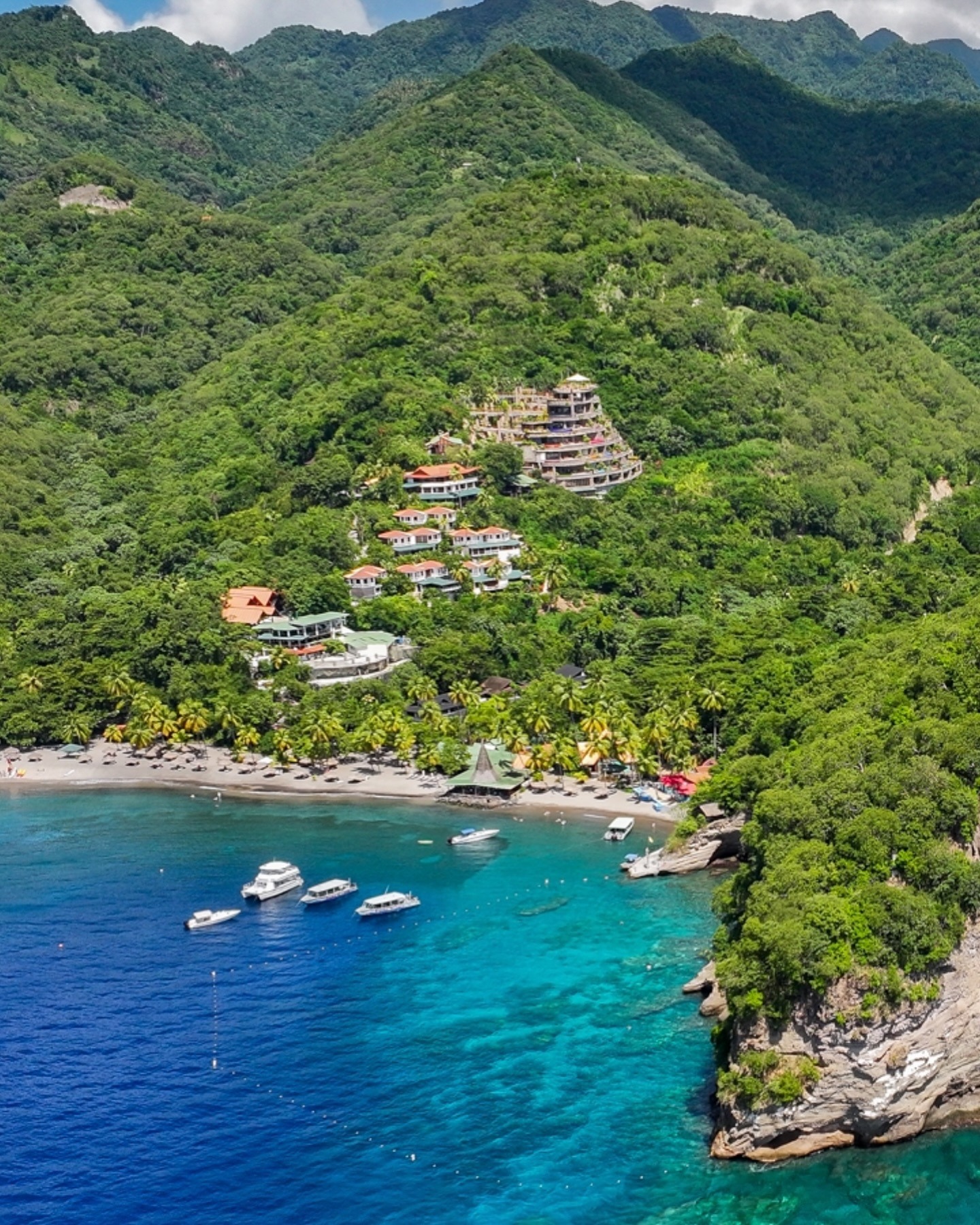
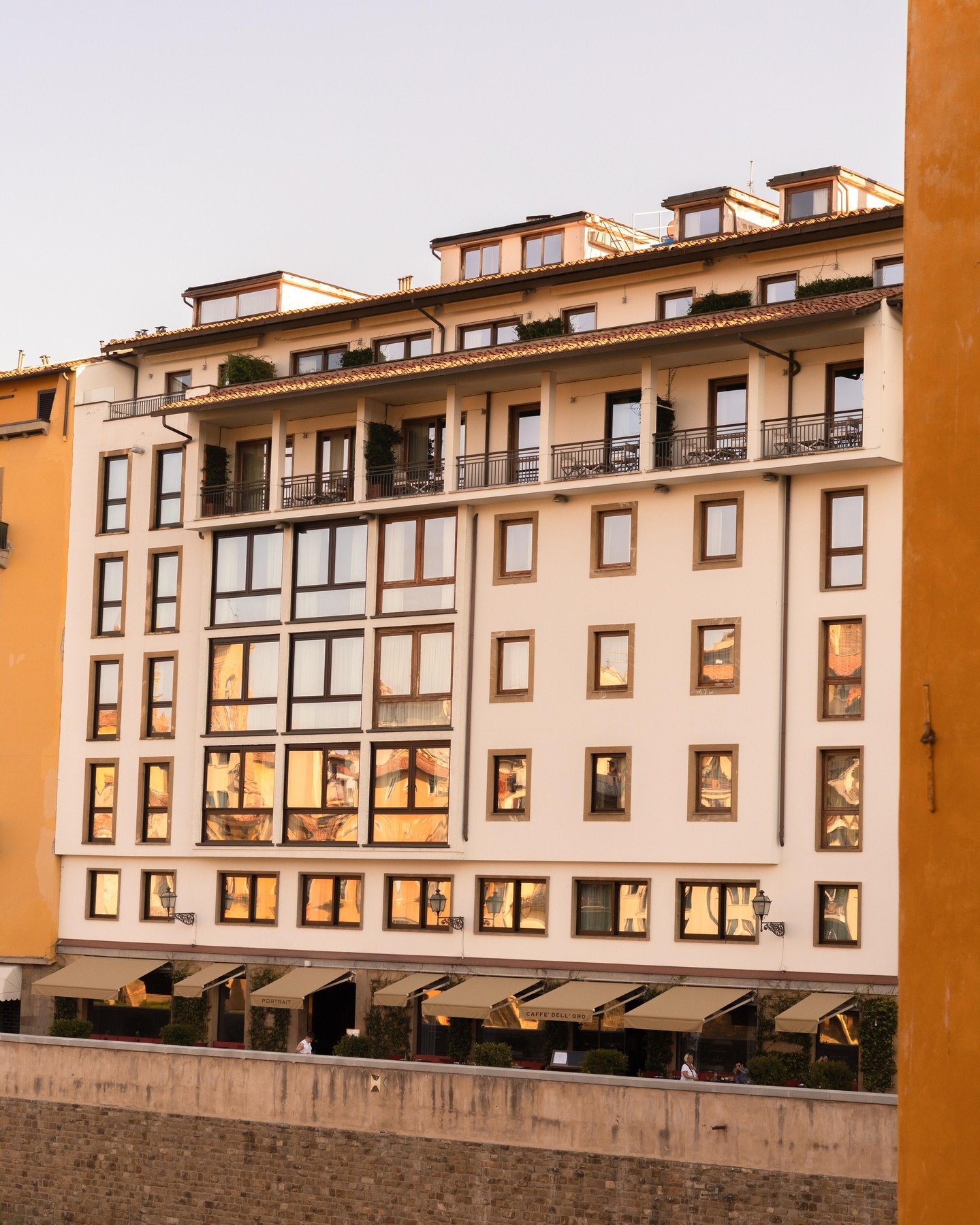
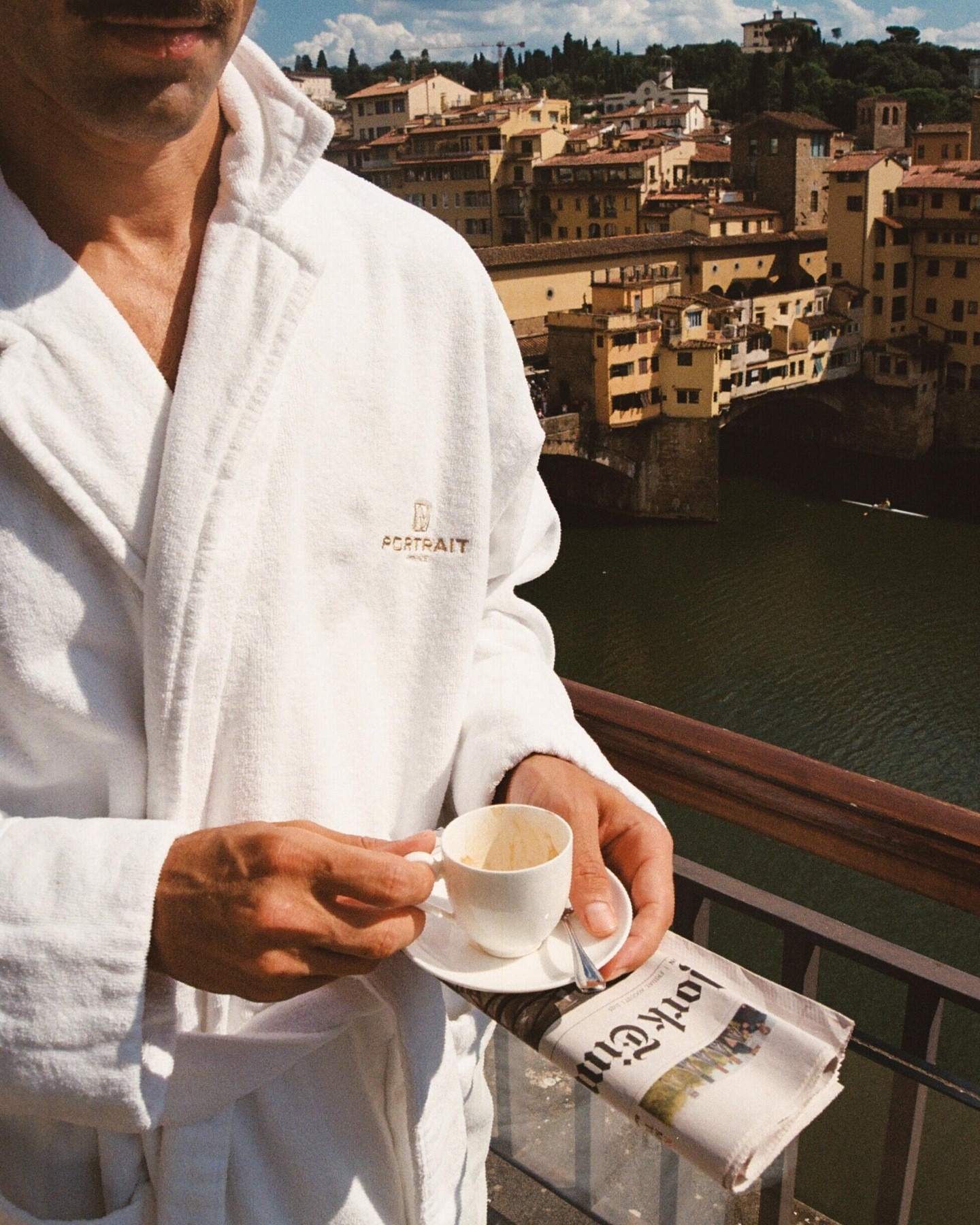
Portrait Firenze sits on the Arno's north bank, close enough to the Ponte Vecchio that the bridge is visible from several of its 37 rooms. Owned by the Ferragamo family's Lungarno Collection, the hotel trades scale for precision — Carrara marble bathrooms, Ferragamo toiletries, mid-century Florentine furnishings, and a dedicated Lifestyle Manager whose job includes securing tables at restaurants that don't otherwise take reservations.
The city's density is the entire point of staying here: the Uffizi sits three hundred metres away, the Duomo and Accademia are both walkable, and the Boboli Gardens offer a green counterpoint to a day spent indoors with Renaissance painting. Caffè dell'Oro, the hotel's riverside restaurant, runs under the direction of a Michelin-starred chef and works equally well for breakfast, a late lunch, or a sunset aperitivo. The hotel has no pool or spa of its own, but guests have access to the White Iris Spa at its sister property, a few steps along the river.
CAFFÈ DELL'ORO BY MICHELIN-STARRED CHEF
CARRARA MARBLE BATHROOMS
ACCESS TO WHITE IRIS SPA
DEDICATED LIFESTYLE MANAGER
300M FROM THE UFFIZI GALLERY
STEPS FROM THE PONTE VECCHIO
April, May, September, and October offer Florence at its most comfortable, before and after the height of summer heat and crowds. Three nights covers the major museums at a reasonable pace; a fourth allows day trips into the surrounding Tuscan countryside.
Quinta Real Oaxaca

.webp)
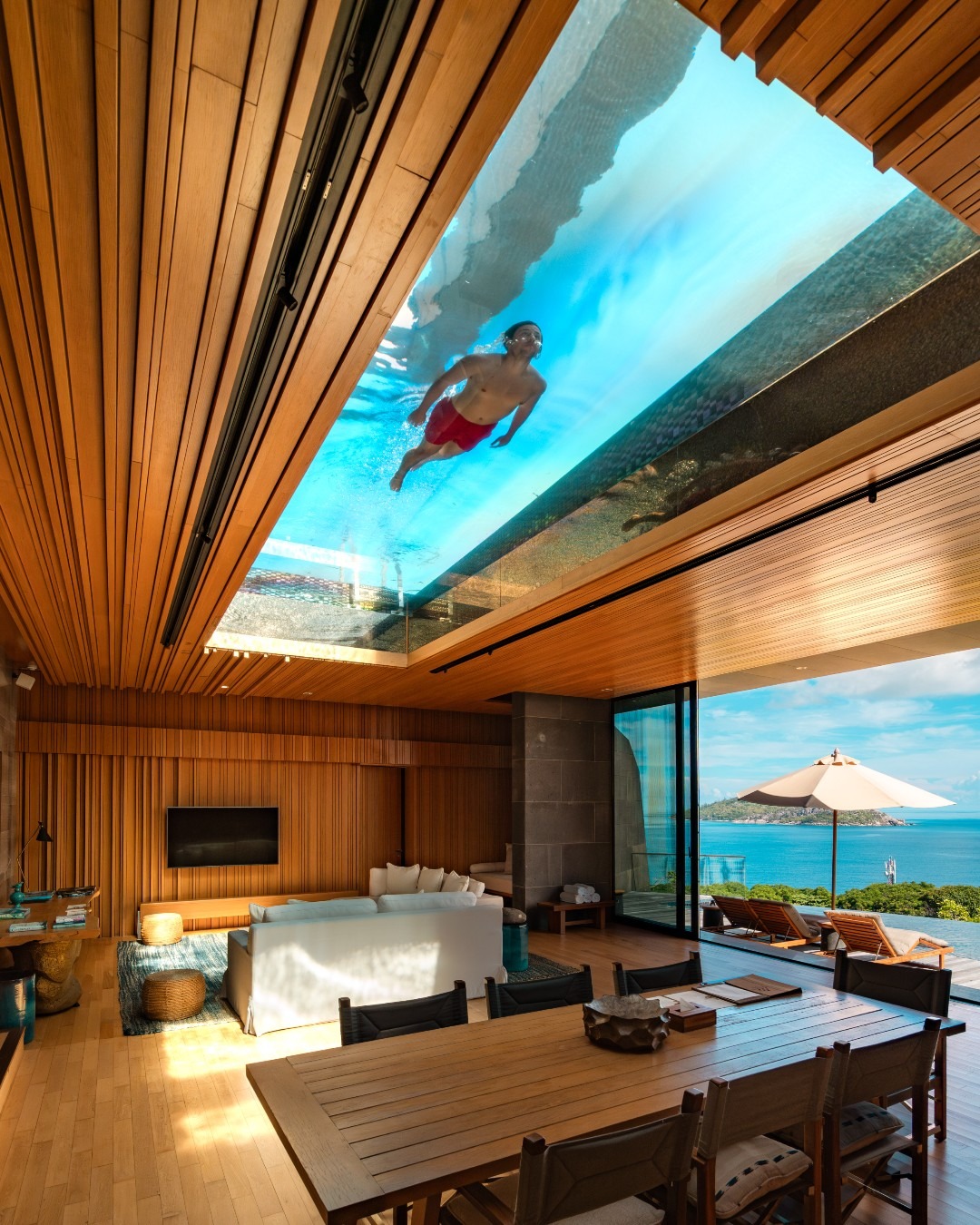
Quinta Real Oaxaca occupies the former Convent of Santa Catalina de Siena, built beginning in 1576 and home to cloistered Dominican nuns for nearly three centuries before the building passed through service as a prison, a police precinct, and a school on its way to becoming a hotel. Original frescoes survive on several walls, restored under the guidance of Mexico's national institute of anthropology and history, and the chapel — once a movie theatre, briefly — now anchors the property's events space.
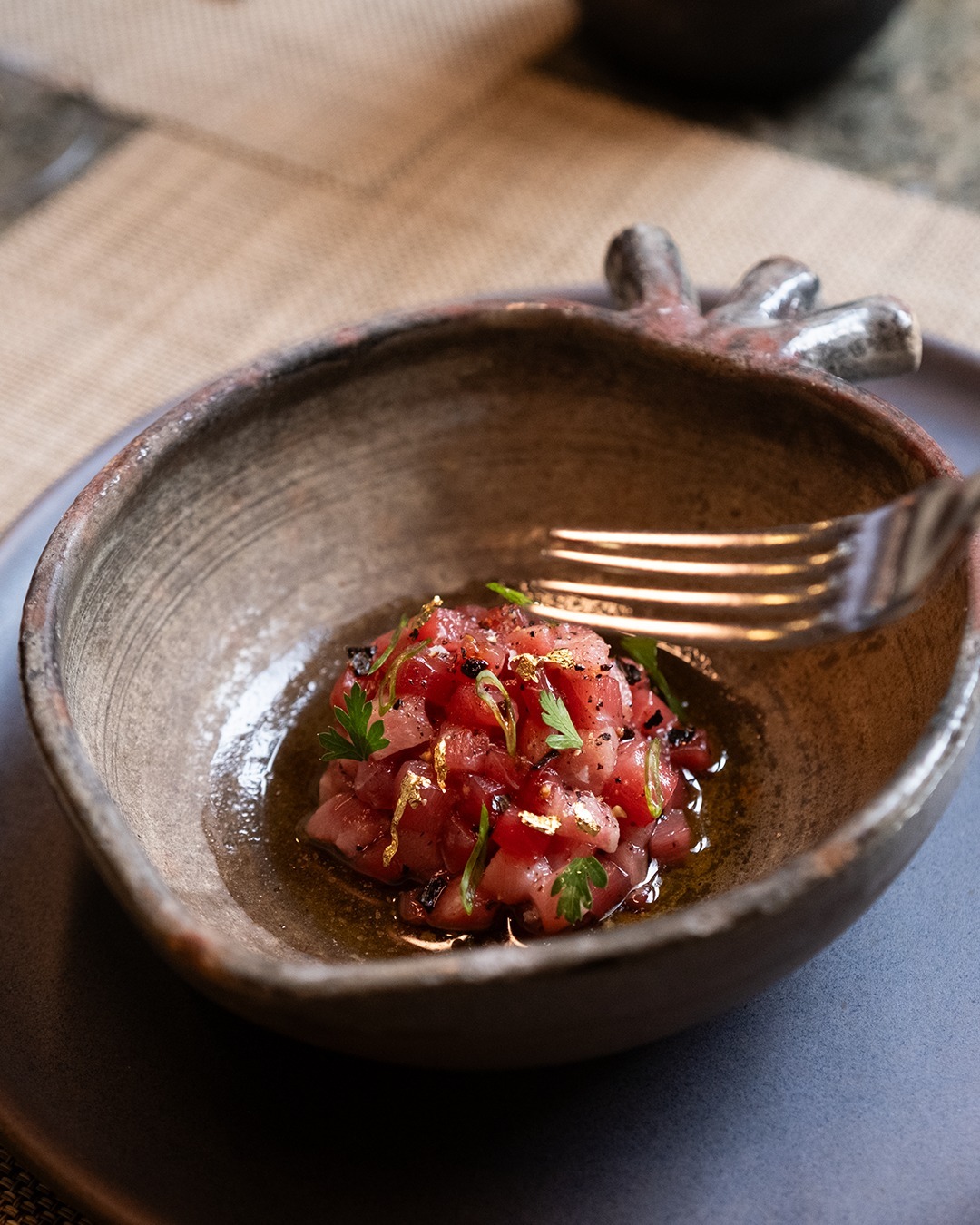
Oaxaca itself is one of Mexico's most concentrated culinary and craft cities, and the hotel sits close enough to the Zócalo, the Museum of Cultures, and the Santo Domingo complex that most of the centre is walkable. El Refectorio serves Oaxacan and international dishes inside the old monastic dining hall, while Las Bugambilias handles cocktails and a serious mezcal list in a courtyard setting. The hotel's concierge team has a particular knack for arranging access to things not easily found alone — a Guelaguetza dinner with live music, tickets to local lucha libre, studio visits with the textile and pottery makers the region is known for.
EL REFECTORIO IN FORMER DINING HALL
LAS BUGAMBILIAS MEZCAL BAR
UNESCO WORLD HERITAGE LOCATION
CONCIERGE-ARRANGED EXPERIENCES
OUTDOOR POOL & COLONIAL COURTYARDS
STEPS FROM THE ZÓCALO
October through April brings Oaxaca's dry season and its most comfortable temperatures, with late October and early November bringing Día de los Muertos for couples who want to time their trip around it. Three nights allows the centre, Monte Albán, and at least one extended meal at the city's market stalls, which are reason enough on their own.
YOU BELONG EVERYWHERE.
© 2026 OUTINRY.