THE HONEYMOOON EDIT
City · Immersive
Six cities chosen not for their landmarks but for their depth — the kind that only surfaces when you stop moving and let the place come to you.
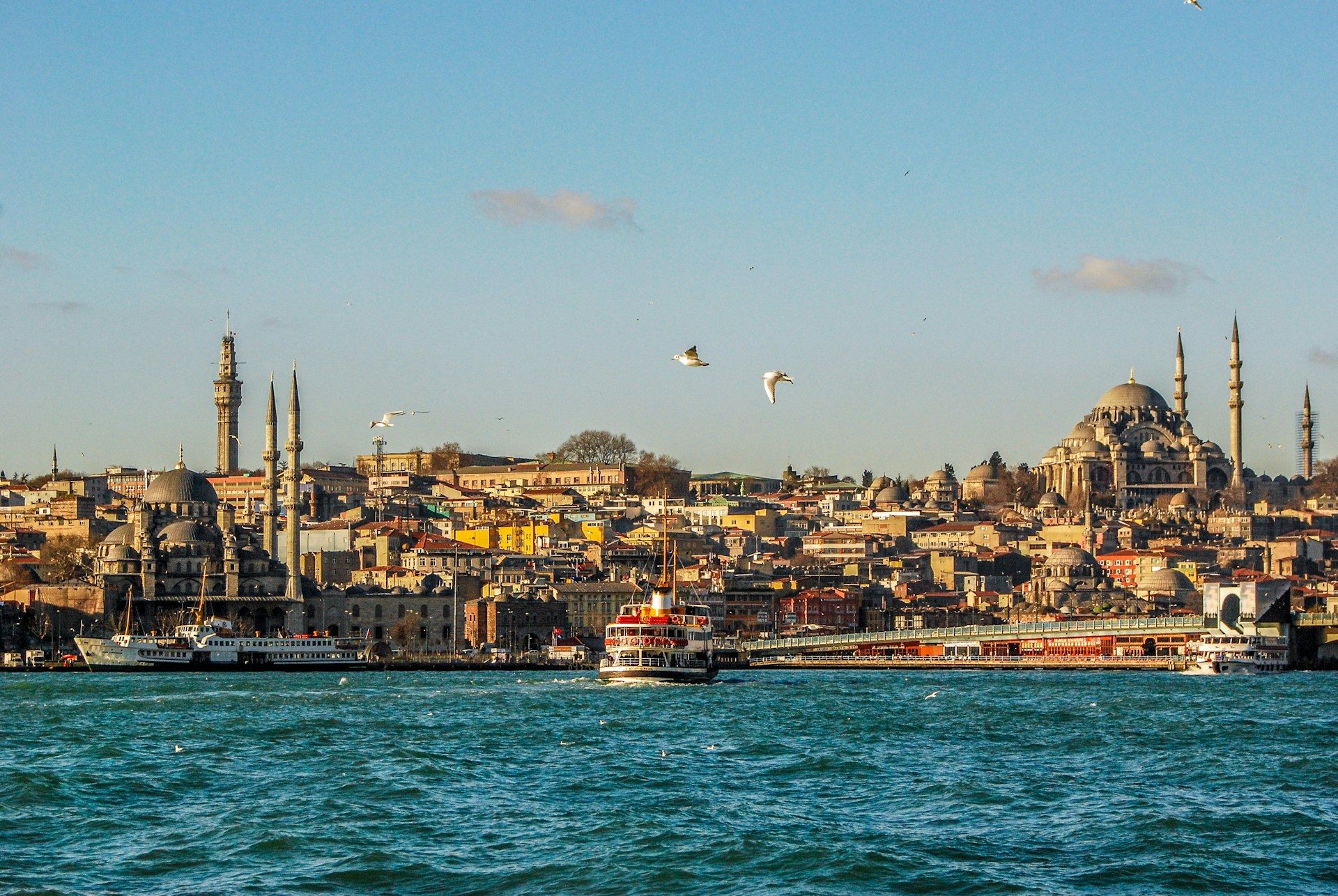
Six cities chosen not for their landmarks but for their depth — the kind that only surfaces when you stop moving and let the place come to you.
A city honeymoon is not the same as a city break. The first two days are orientation — learning the rhythm of the streets, working out where the coffee is, beginning to understand what the neighbourhood sounds like at seven in the morning. The rest is something different: the version of a place that only comes when you are not trying to see everything. The cities in this edit were chosen for that quality specifically — the capacity to keep giving, to reveal something on the fourth day that was invisible on the first. These are places where the hotel is a base camp for discovery, and where discovery deepens the longer you stay.
What the hotels in this edit share is a precise understanding of location. None of them could be lifted and dropped into another city without losing something essential — they are made of their neighbourhoods, their history, the streets immediately outside. Where they differ is in register: from a century-old Gion townhouse in Kyoto where the water is drawn from an underground spring, to a restored 19th-century bank in Istanbul with a marble hammam in the basement and the Bosphorus framed from the rooftop. Each is a lens through which its city becomes comprehensible — and then irresistible.
Sowaka

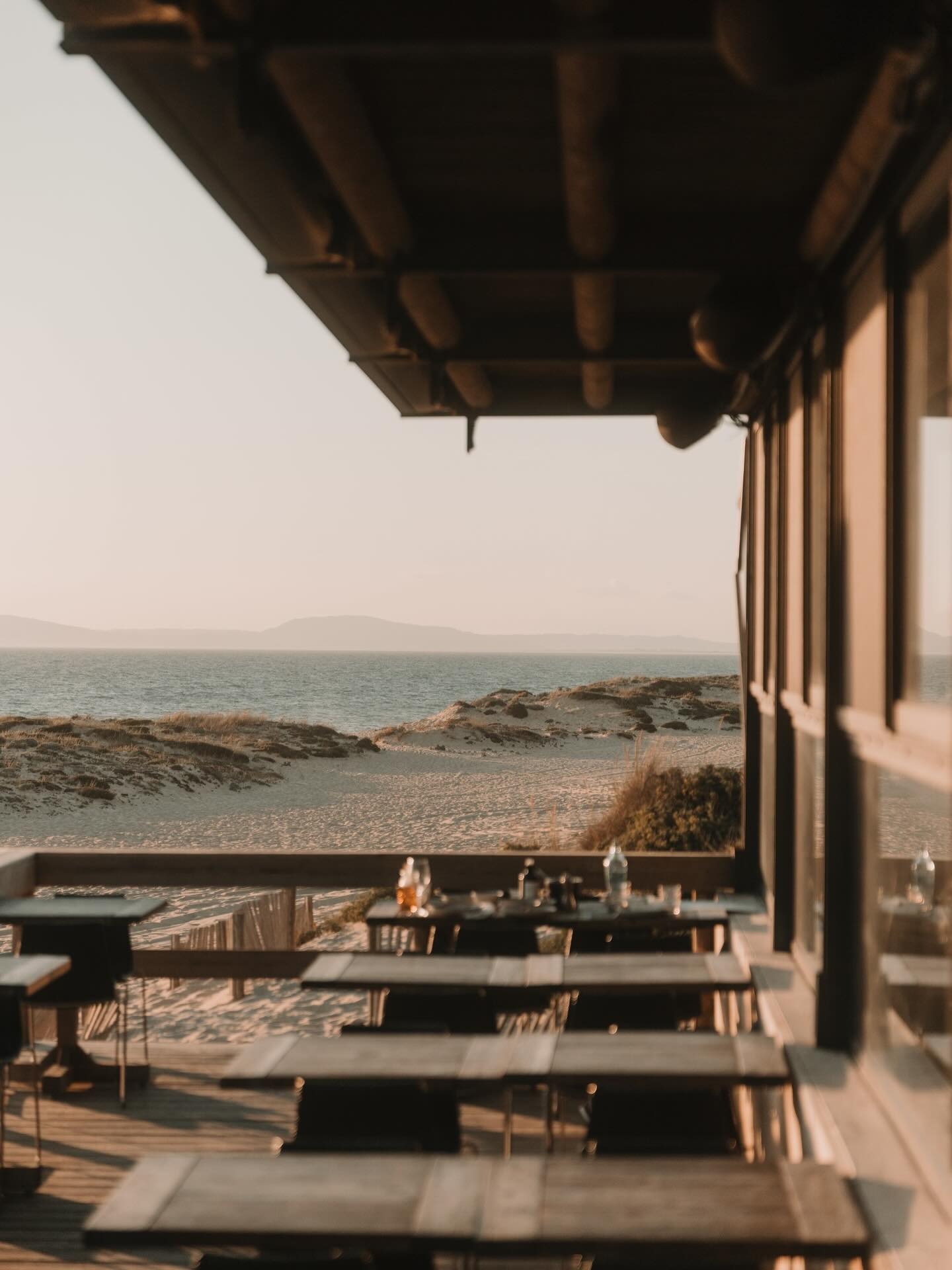
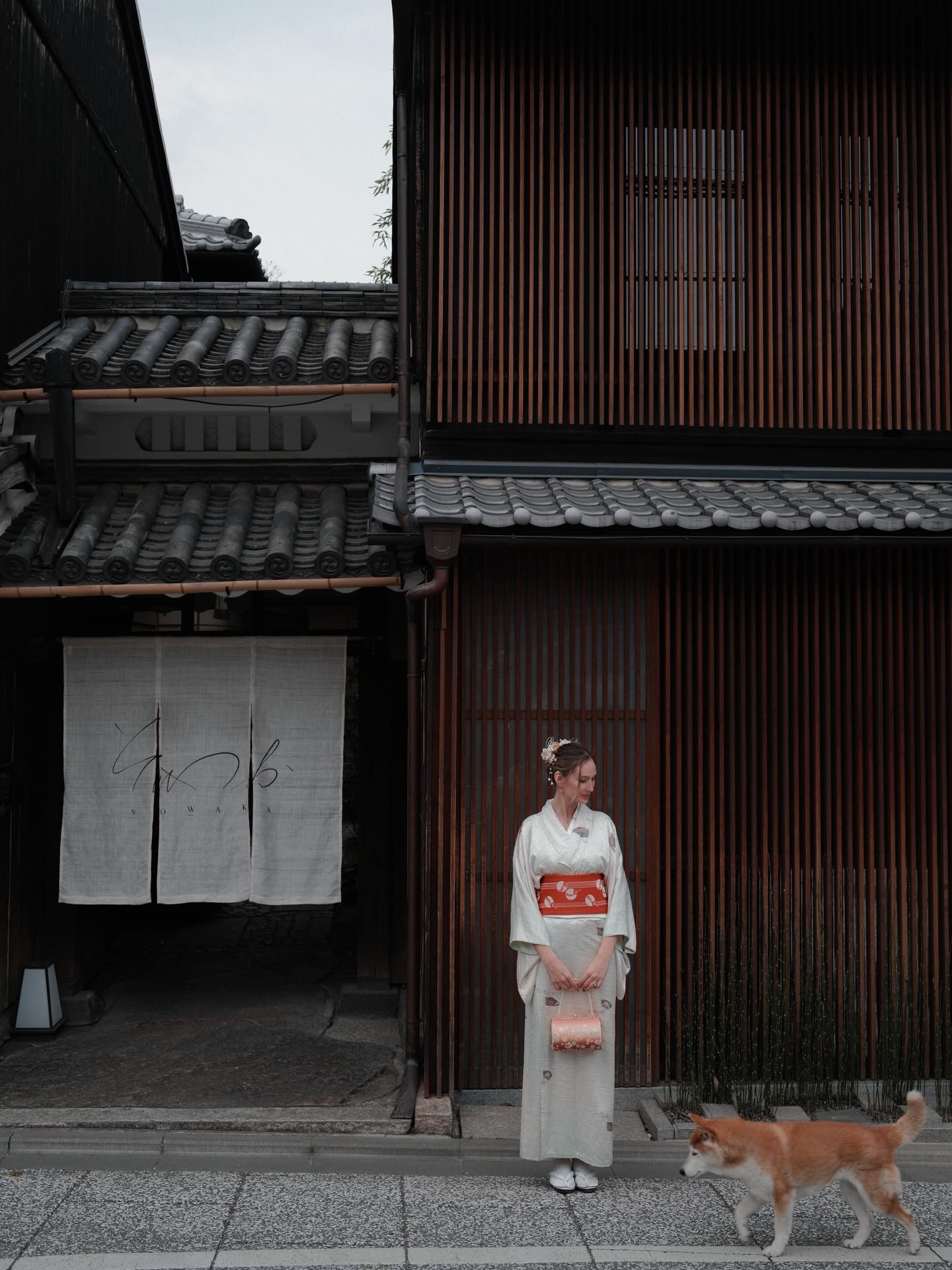
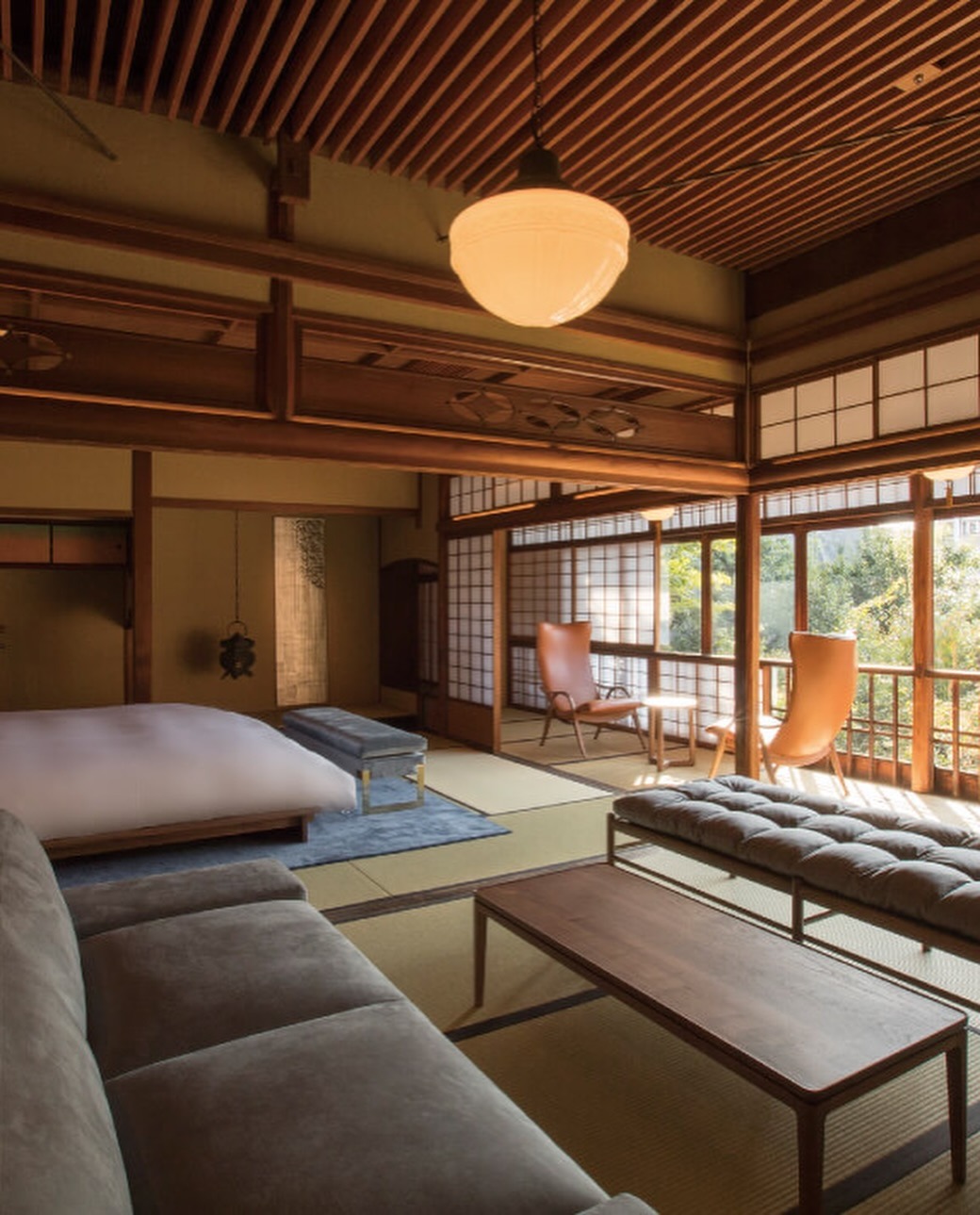
A restored hundred-year-old townhouse in Gion, the most historically preserved district in Japan's most historically preserved city — where the water is drawn from the hotel's own underground spring and the corridors are designed to evoke the feel of Kyoto's famous alleyways, the roji. Small Luxury Hotels of the World. Twenty-three rooms, each individually designed with paper sliding doors, cashmere mattresses, handmade cedar wood speakers, and bath amenities made with Japanese camellia oil. Sowaka is the kind of hotel that makes leaving Gion feel like a minor act of violence.
Kyoto's power as a city reveals itself slowly. The first morning is temples and markets and the disorientating beauty of Higashiyama. By the fourth, you have found the tofu shop that opens at six, the sake bar that serves only three varieties, the moss garden behind the shrine that no one else seems to know about. Gion Loka, Sowaka's own restaurant, serves kaiseki-inspired cuisine with a Michelin-starred sensibility in a room where twenty people feel like a private dinner. The intimate whisky, sake, and shochu bar beneath it stays open as late as the conversation requires.
SMALL LUXURY HOTELS OF THE WORLD
GION LOKA RESTAURANT
UNDERGROUND SPRING WATER
JAPANESE WHISKY & SAKE BAR
SPA SERVICES
TRADITIONAL OPEN-AIR BATHS
March through May for cherry blossom — the city becomes extraordinary and hotels book out months in advance; plan well ahead. October through November for autumn foliage: the maples in the temple gardens turn at a pace and colour that justifies the trip alone. Kyoto in winter is cold, quiet, and perhaps the most beautiful it ever is — few tourists, clear air, the occasional snow on a temple roof. Japan's position on same-sex relationships is legally neutral; Kyoto is an internationally minded, cosmopolitan city and couples move through it freely. Five nights at minimum — Gion takes at least two days before it begins to feel familiar, and familiar is when it becomes extraordinary.
Círculo Mexicano
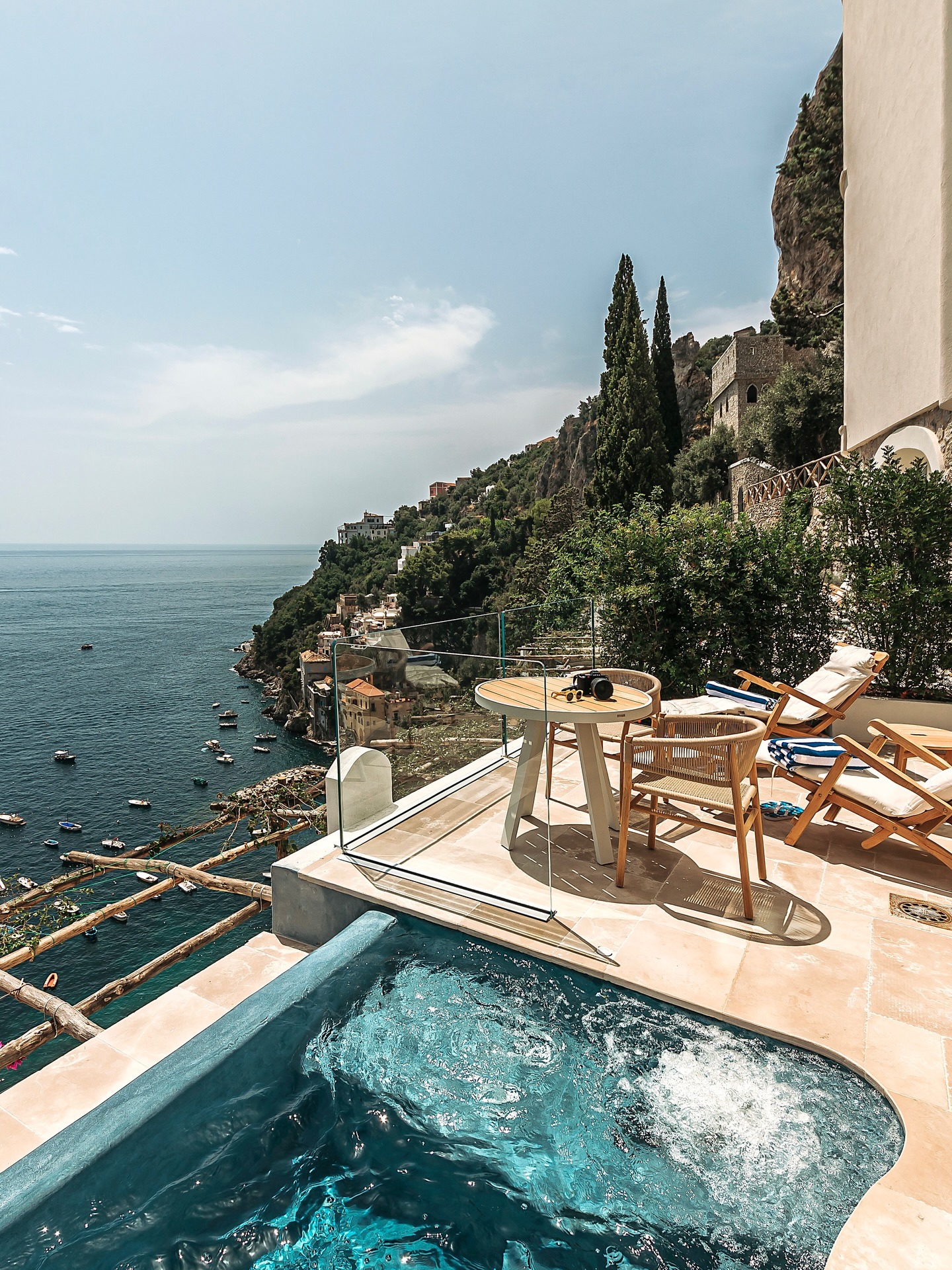
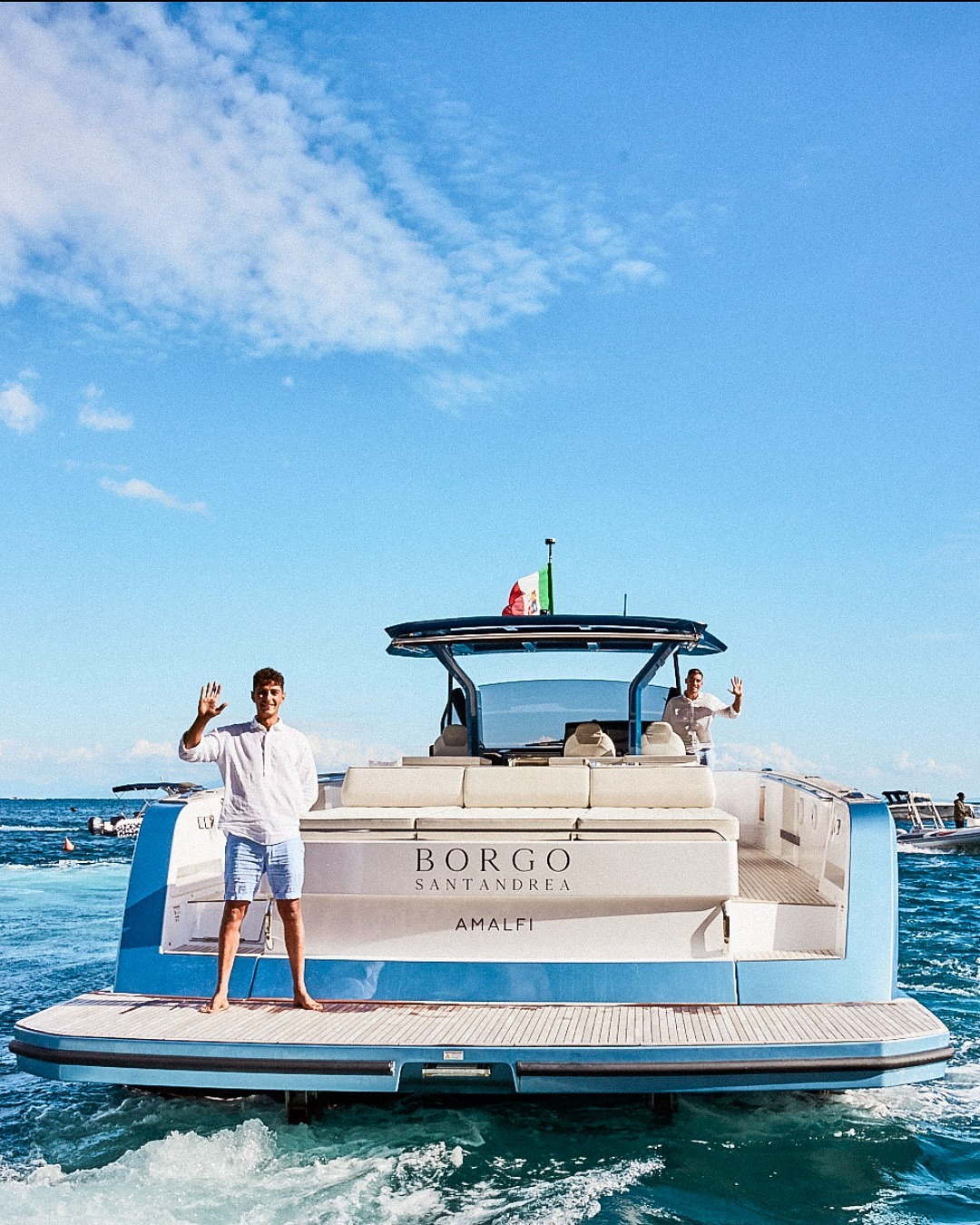
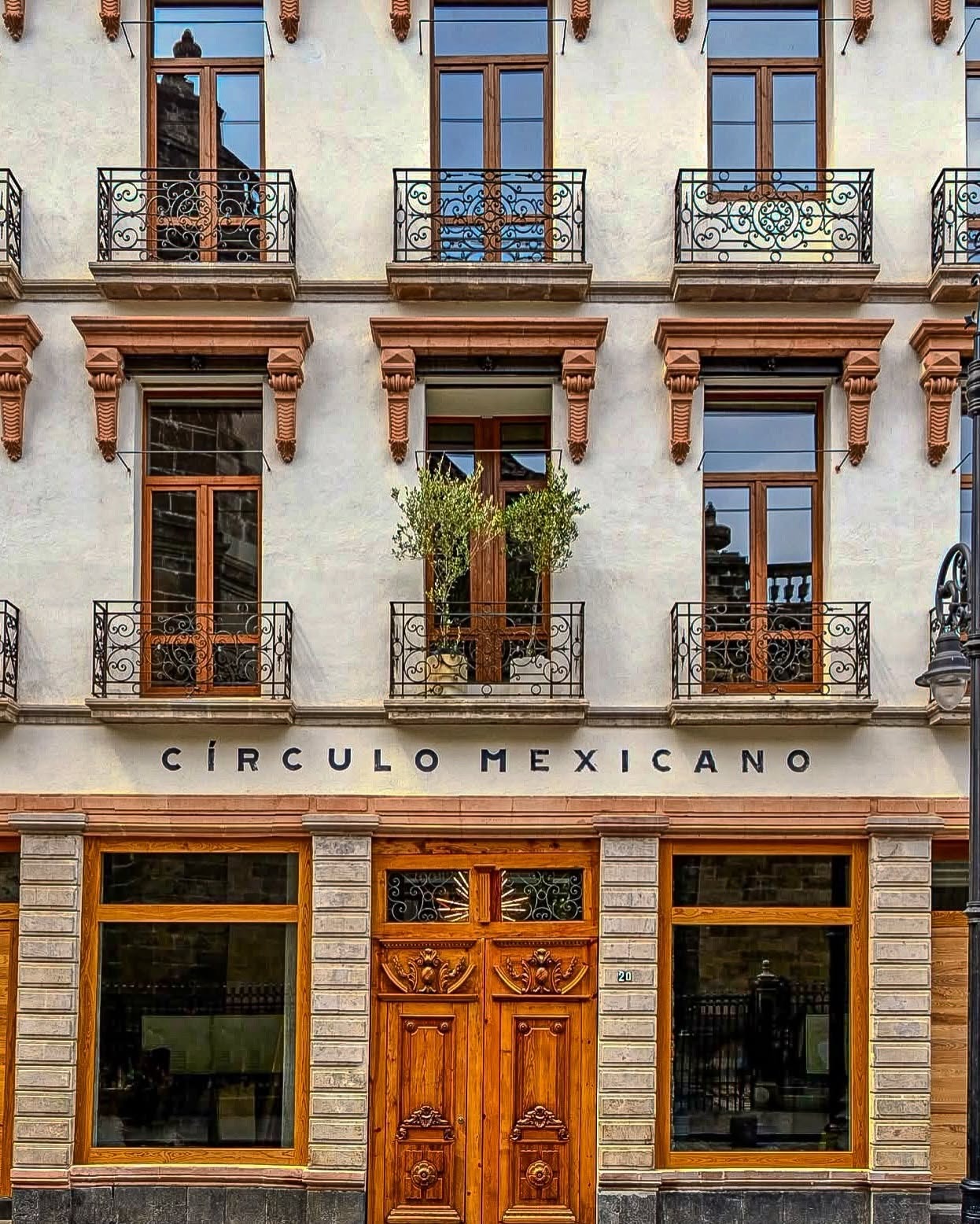
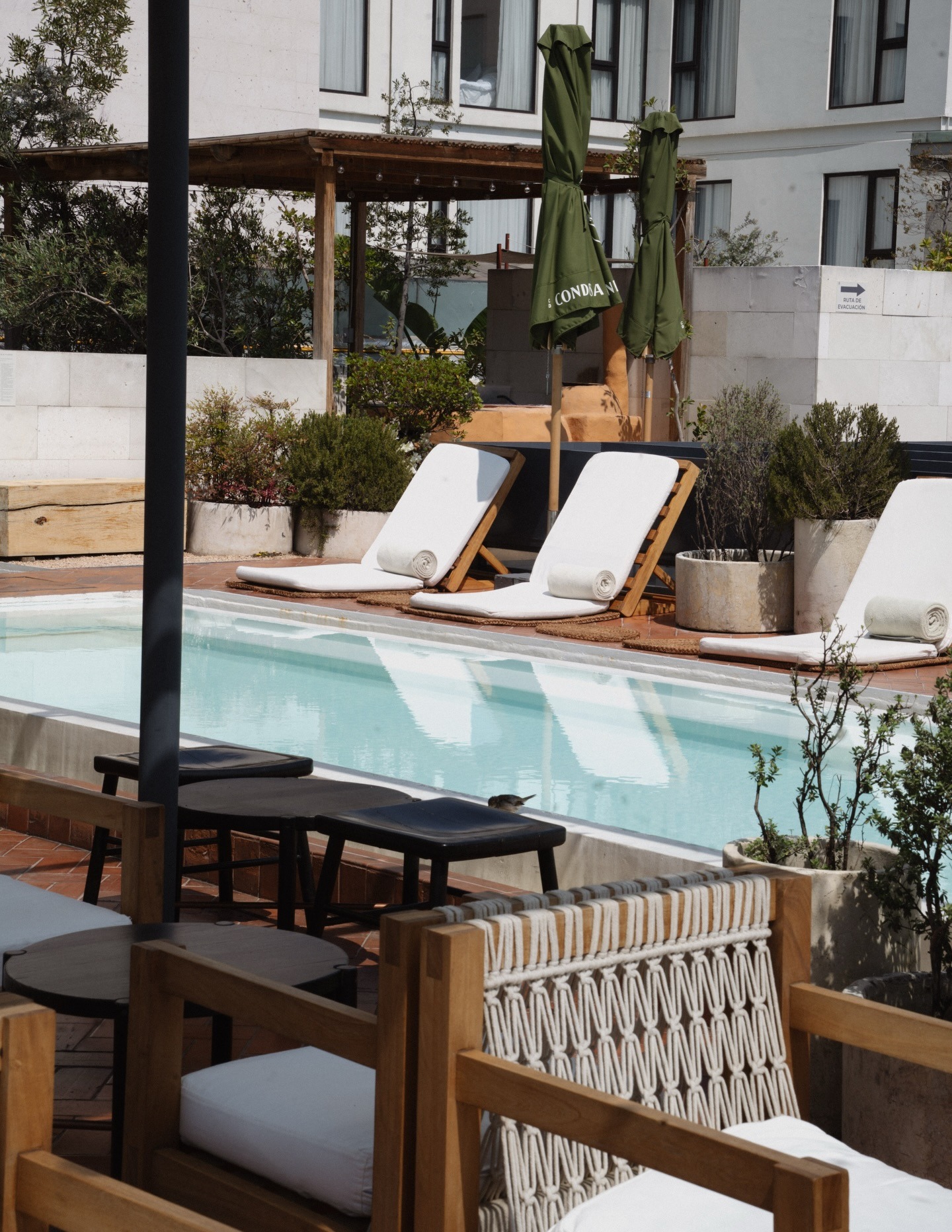
A nineteenth-century vecindad in the Centro Histórico, two minutes from the Metropolitan Cathedral, reimagined by architects Ambrosi Etchegaray into twenty-five rooms arranged around a central courtyard. Grupo Habita, Design Hotels member. The building once housed photographer Manuel Álvarez Bravo, whose work hangs throughout the property, and the Shaker-inspired interiors — oak furniture, Oaxacan textiles, almost nothing extraneous — read less like a hotel than a private, very well-edited home that happens to share a roof with a rooftop pool.
Mexico City's historic centre is the densest, most layered version of the city, and Círculo Mexicano sits inside that density rather than observing it from a distance: the Templo Mayor, the Palacio de Bellas Artes, and the Zócalo are each a short walk away. The rooftop terrace — infinity pool, Japanese soaking tub, a rotating restaurant residency that has hosted chefs from as far as Paris — is where the cathedral comes into view at the kind of angle no postcard quite captures. A ground-floor marketplace with a barbershop and a small boutique keeps the building feeling lived-in rather than staged.
MICHELIN GUIDE LISTED
ROOFTOP INFINITY POOL
JAPANESE SOAKING TUB
DESIGN HOTELS MEMBER
GRUPO HABITA PROPERTY
ROTATING CHEF RESIDENCY
October through December — the rainy season has ended, the air is clear enough to see Popocatépetl from the rooftop, and the city is in full cultural season. March and April are also excellent: dry, warm, jacaranda in full bloom across the wider city. Mexico City is one of the most gay-friendly cities in Latin America; same-sex marriage has been legal across all Mexican states since 2022, and the Centro Histórico sits an easy, well-connected distance from Zona Rosa's established scene. Five nights minimum — the Museo Nacional de Antropología alone takes a full day, and the historic centre itself, properly explored on foot, deserves at least two unhurried mornings.
The Bank Hotel Istanbul
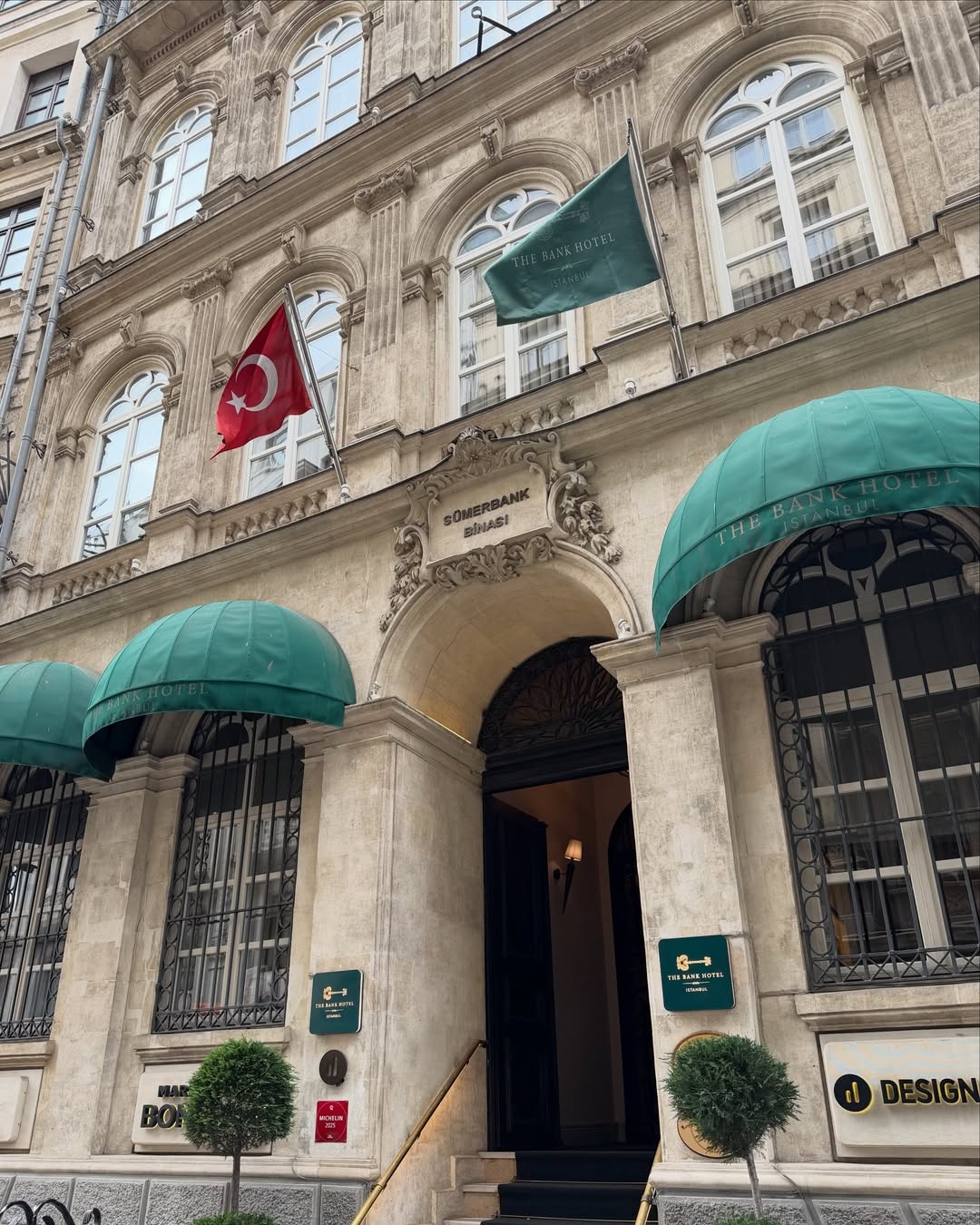
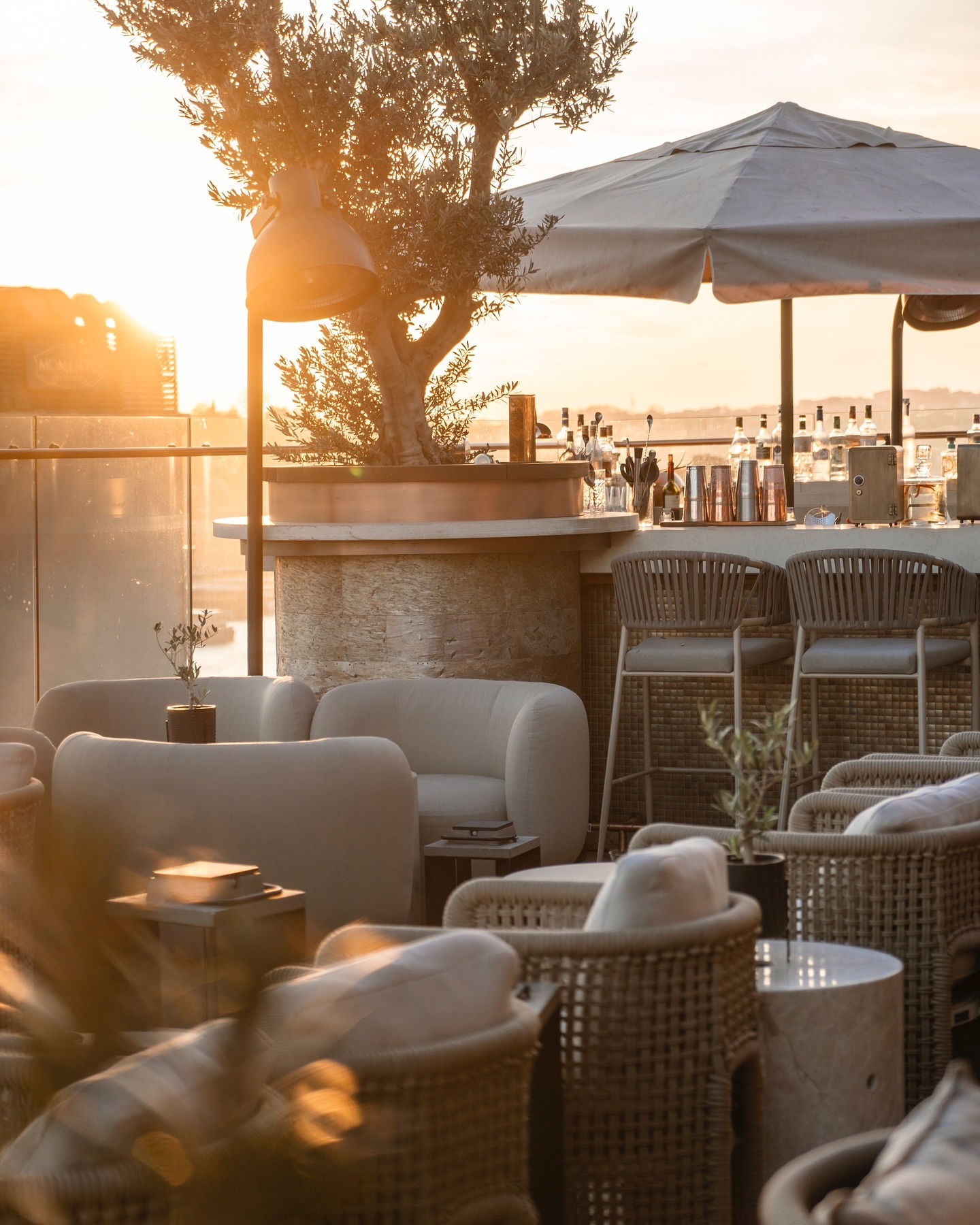
A 19th-century banking hall in Karaköy, restored by Design Hotels with patterned ceilings, parquet floors, marble bathrooms, and a Turkish hammam in the basement where the original vaults now serve as private treatment rooms. The Bank Roof Bar sits above it all with Bosphorus views and cocktails that understand they have competition. Istanbul is two continents, four thousand years of continuous habitation, and the most architecturally dense streetscape in the world. Karaköy is where contemporary Istanbul lives — galleries, fishmongers, ferry terminals, the best cocktail bars in the city — two Metro stops from the Grand Bazaar.
The depth of Istanbul as a city is essentially inexhaustible: a week here barely scratches the Bosphorus, the Asian side, the covered market, the hammams, the Byzantine churches that sit inside mosques that sit beside synagogues. Serica, the hotel's fine-dining restaurant, draws on centuries of Ottoman culinary tradition with a modern edit — the kind of cooking that makes the surrounding history feel immediately edible. The Penthouse Suite frames the Bosphorus Bridge, the Historical Peninsula, and the Golden Horn in a single view from a standalone bathtub, which may be the most arresting hotel room in Turkey.
DESIGN HOTELS MEMBER
ROOFTOP BAR WITH BOSPHORUS VIEWS
TURKISH HAMMAM & SPA
SERICA FINE-DINING RESTAURANT
PENTHOUSE WITH BOSPHORUS VIEW
ORIGINAL BANK VAULT SUITES
April through June and September through October — the city at its most navigable, the Bosphorus at its most luminous, the rooftop bar at its most compelling. July and August are hot, crowded, and full of energy; the rooftop comes into its own but the streets demand more patience. Istanbul rewards return visits; five nights is the minimum, and the fifth is usually the day you realise you have only just begun.
Legal Note: Same-sex sexual activity is legal in Turkey and has been since 1858. There are no legal protections against discrimination on the basis of sexual orientation, and public displays of affection are inadvisable outside the hotel. Istanbul's Beyoğlu district — immediately walkable from The Bank Hotel — has a long-established gay bar and social scene. The hotel receives gay couples without reservation; Karaköy's international, creative community means the immediate neighbourhood is among the most relaxed in the city.
137 Pillars House
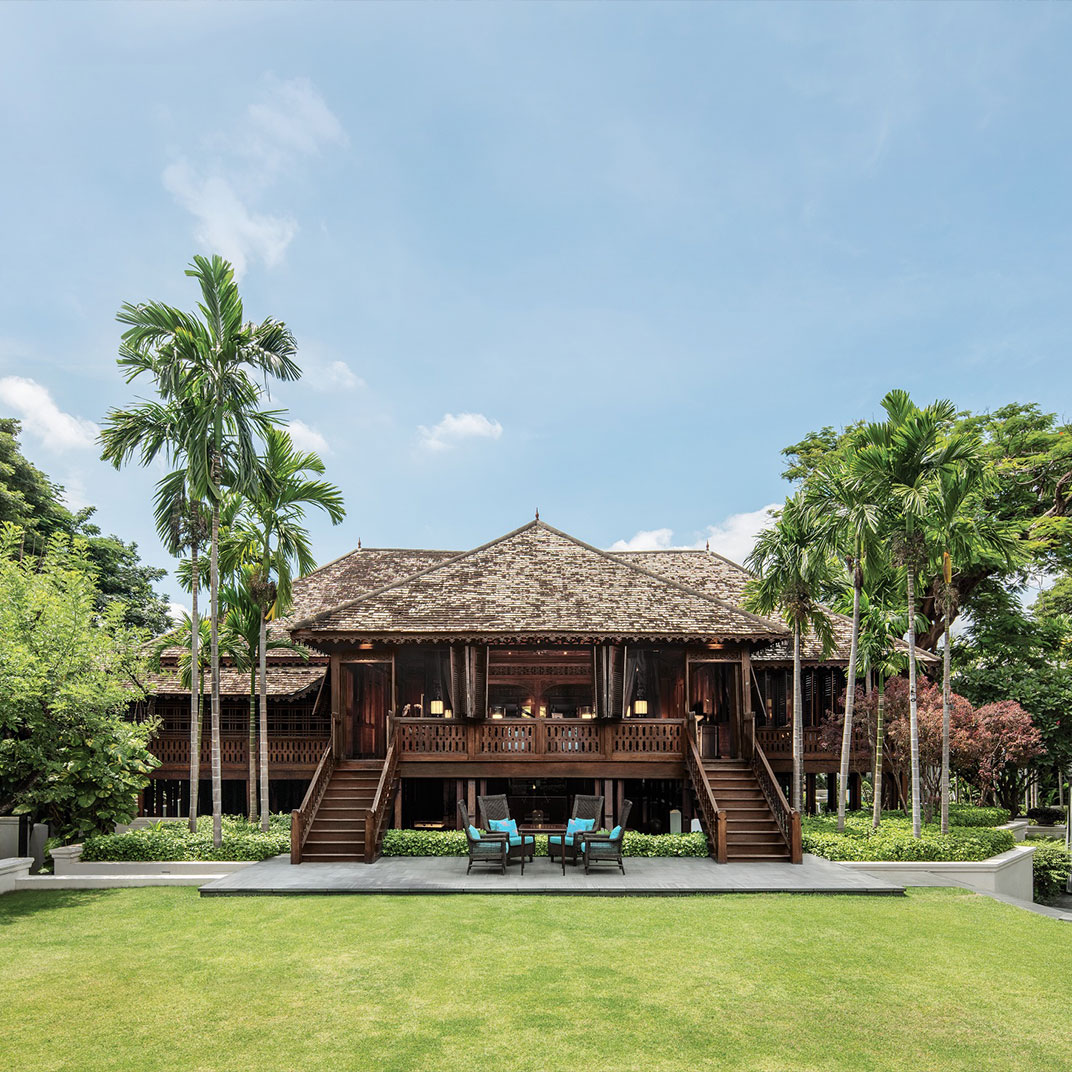
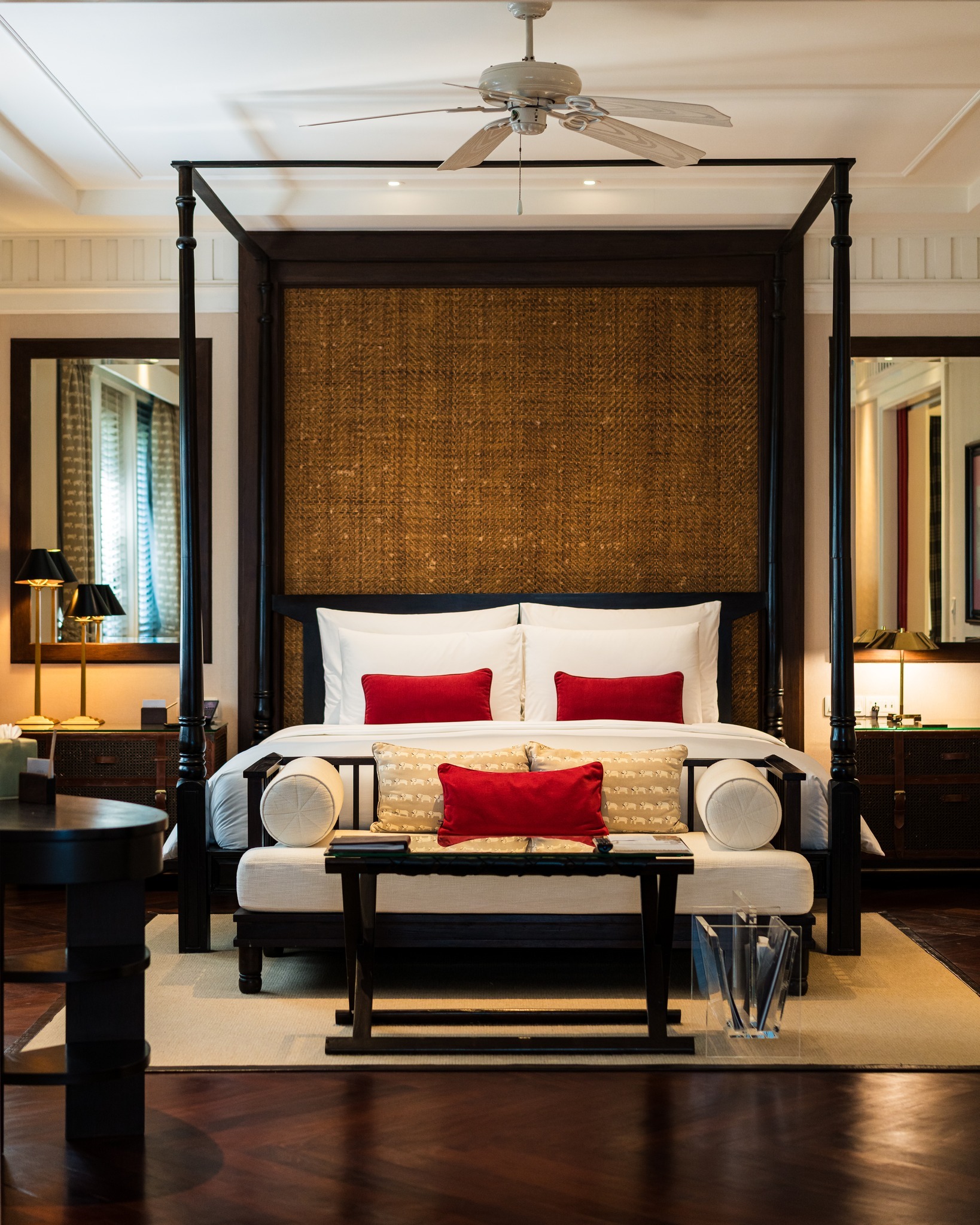
A restored 1889 teak colonial compound in the Wat Gate quarter beside the Ping River — once owned by Louis Leonowens, son of Anna of the King of Siam — now thirty immaculate suites with Victorian freestanding baths, open-air garden showers, and a 25-metre lap pool overlooked by a jaw-dropping vertical living wall. Small Luxury Hotels of the World. Thailand introduced full marriage equality in January 2025, the first Southeast Asian country to do so, and Chiang Mai is the country's most culturally layered city: temples, night markets, a culinary scene that rewards weeks of dedicated attention.
Chiang Mai is the city that Bangkok visitors always mean to visit and consistently underestimate. The old walled city alone contains over three hundred temples within a square mile. Beyond it: a ceramics quarter, a Saturday Walking Street, an extraordinary cooking school culture, and a hill tribe textile market that requires a full morning and more cash than expected. The Nitra Spa at 137 Pillars offers traditional Thai treatments with organic products in a garden setting; Jack Bain's Bar is a colonial-era institution in teak and rattan that does exactly what a hotel bar should do in a city this old. Palette, the fine-dining restaurant, uses organic produce from the hotel's own garden.
SMALL LUXURY HOTELS OF THE WORLD
THE NITRA SPA
25M LAP POOL & VERTICAL GARDEN
PALETTE FINE-DINING RESTAURANT
JACK BAIN'S BAR
THAI COOKING SCHOOL
November through February — cool, dry, and clear, the best light in northern Thailand. March and April bring heat and some haze from agricultural burning; the city remains worthwhile but the days are warmer than comfortable. The Thai Cooking School experiences are best booked early morning before the heat builds. Thailand's marriage equality law came into effect on 23 January 2025; same-sex couples have full legal recognition throughout the country. Five nights minimum — the old city, the surrounding villages, a day trip to Doi Inthanon National Park, and a full afternoon in the Night Bazaar each deserve their own time.
Gran Hotel Manzana Kempinski La Habana

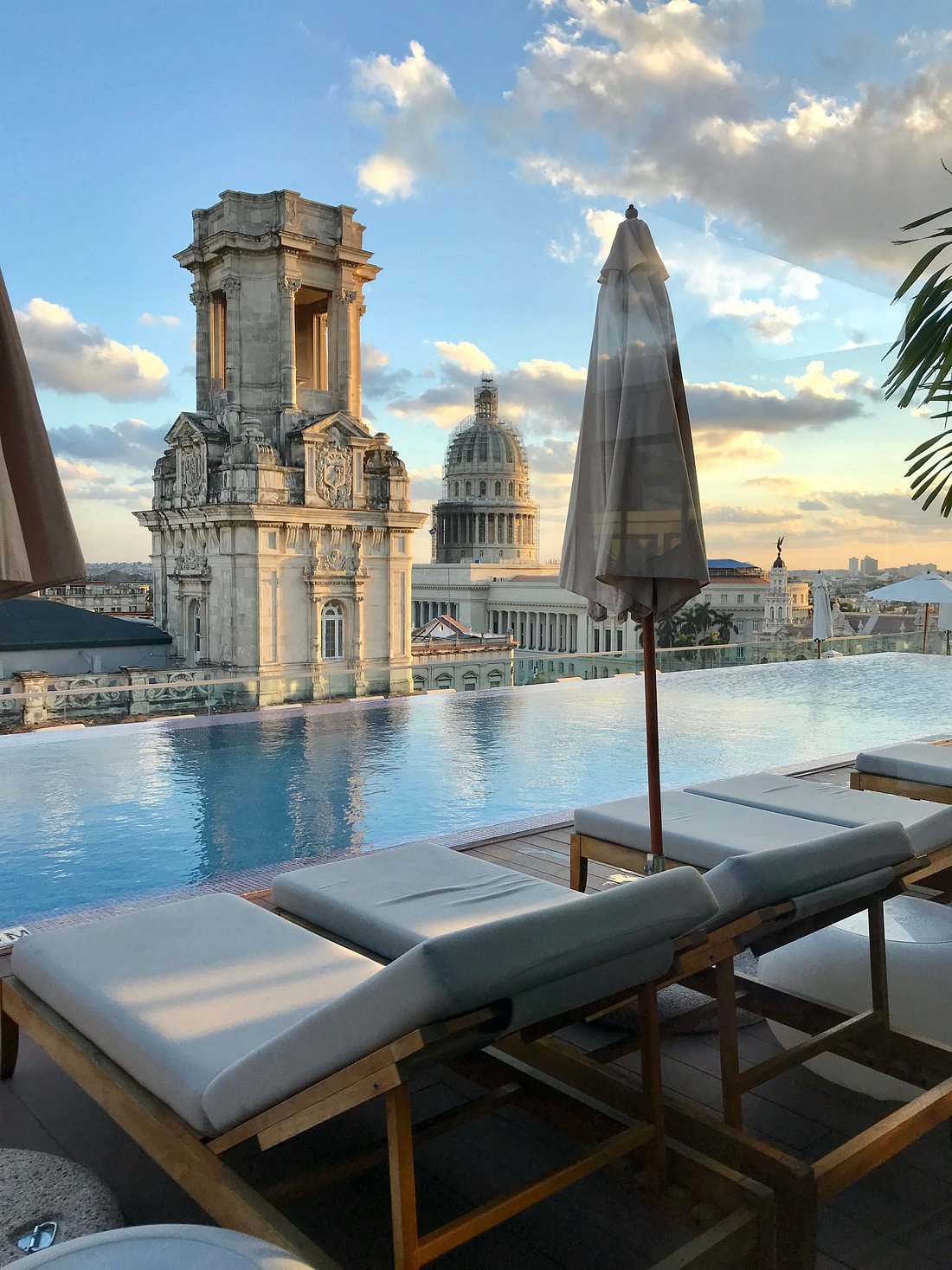
The first and only five-star hotel in Cuba, housed within the restored Manzana de Gómez — a 1910 Beaux-Arts shopping arcade that wraps an entire city block in the heart of Old Havana, a UNESCO World Heritage site. Rooftop infinity pool. Spa Albear by Resense. Cigar lounge with eight balconies overlooking the Capitol and Parque Central. Cuba legalised same-sex marriage by popular referendum in 2022. Havana is unlike any city on earth: American cars from 1955 navigating streets built for colonial-era carriages, a music scene that appears to be improvised and is in fact deeply considered, and an architectural beauty that survives everything.
Old Havana is walkable, layered, and — at this level of accommodation — genuinely comfortable. The hotel's position on the Manzana means the Cathedral, the Plaza de Armas, and the Malecón are each under twenty minutes on foot through streets that were built when Havana was the wealthiest city in the Americas. The San Cristóbal rooftop restaurant serves Cuban and international cuisine above the rooftops of the old city; the lobby bar does Cuban rum in the way Cuban rum is supposed to be done. The Tobacco Lounge — with its eight balconies and Habanos collection — may be the best place to spend an hour in the city that invented the cigar.
ROOFTOP INFINITY POOL
SPA ALBEAR BY RESENSE
CIGAR & TOBACCO LOUNGE
SAN CRISTÓBAL ROOFTOP RESTAURANT
UNESCO WORLD HERITAGE LOCATION
OLD HAVANA WALKING DISTANCE
November through April — dry season, lower humidity, and the light over the Malecón at its most extraordinary. December and January bring the highest visitor numbers and prices; February and March are quieter and almost as good. The Cuban peso situation and US travel regulations require advance research depending on your country of origin — confirm before booking. Five nights minimum: Old Havana alone takes two full days at an honest pace, and the city's music, architecture, and food reward every additional hour.
Legal Note: Same-sex marriage was legalised in Cuba by popular referendum in September 2022. Attitudes vary considerably across generations and neighbourhoods, and discretion in public spaces beyond the hotel and the established tourist areas of Old Havana is advisable. Gran Hotel Manzana Kempinski receives gay couples entirely without reservation; the hotel's international clientele and enclosed estate mean the property operates as a fully neutral environment.
Bairro Alto Hotel
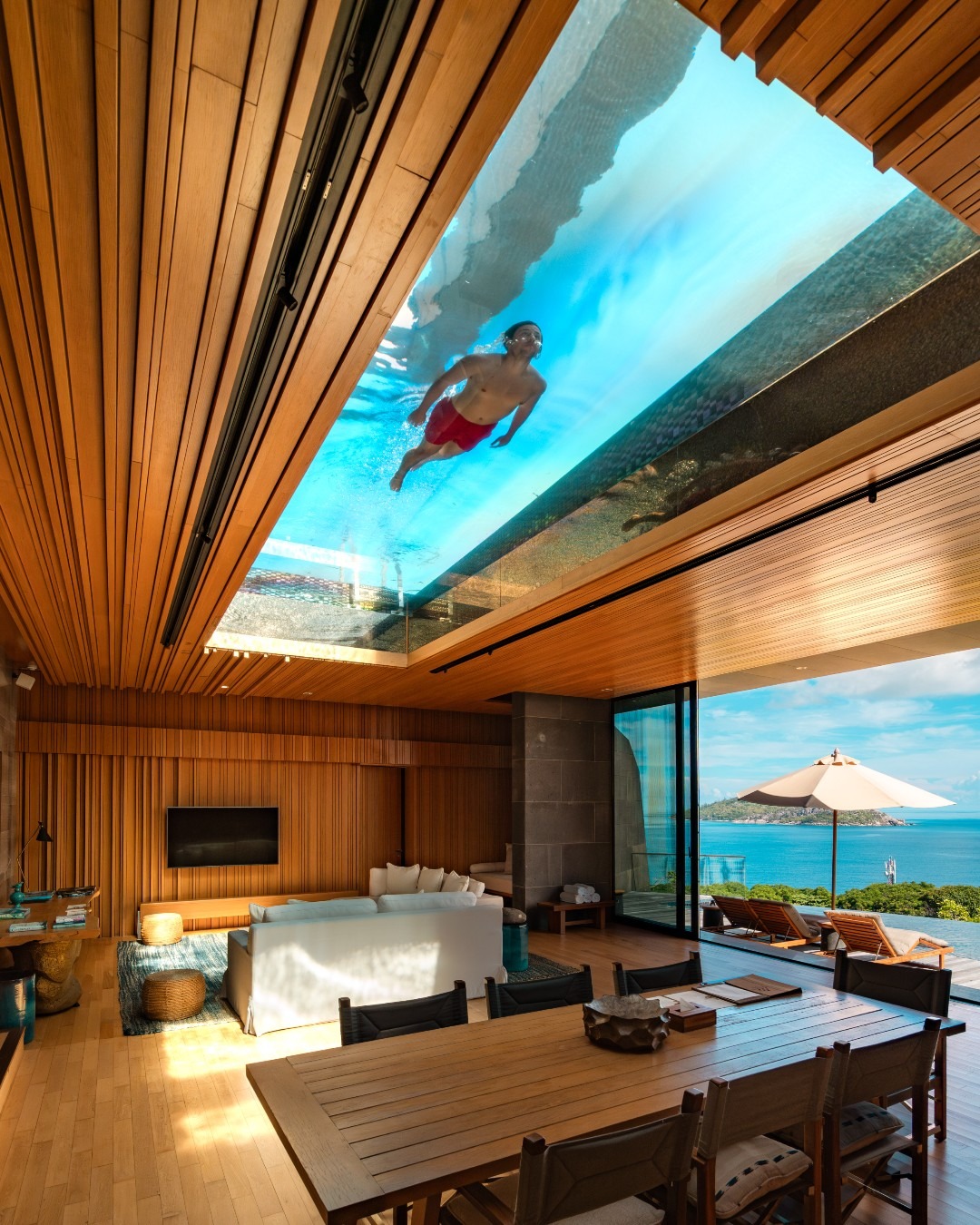

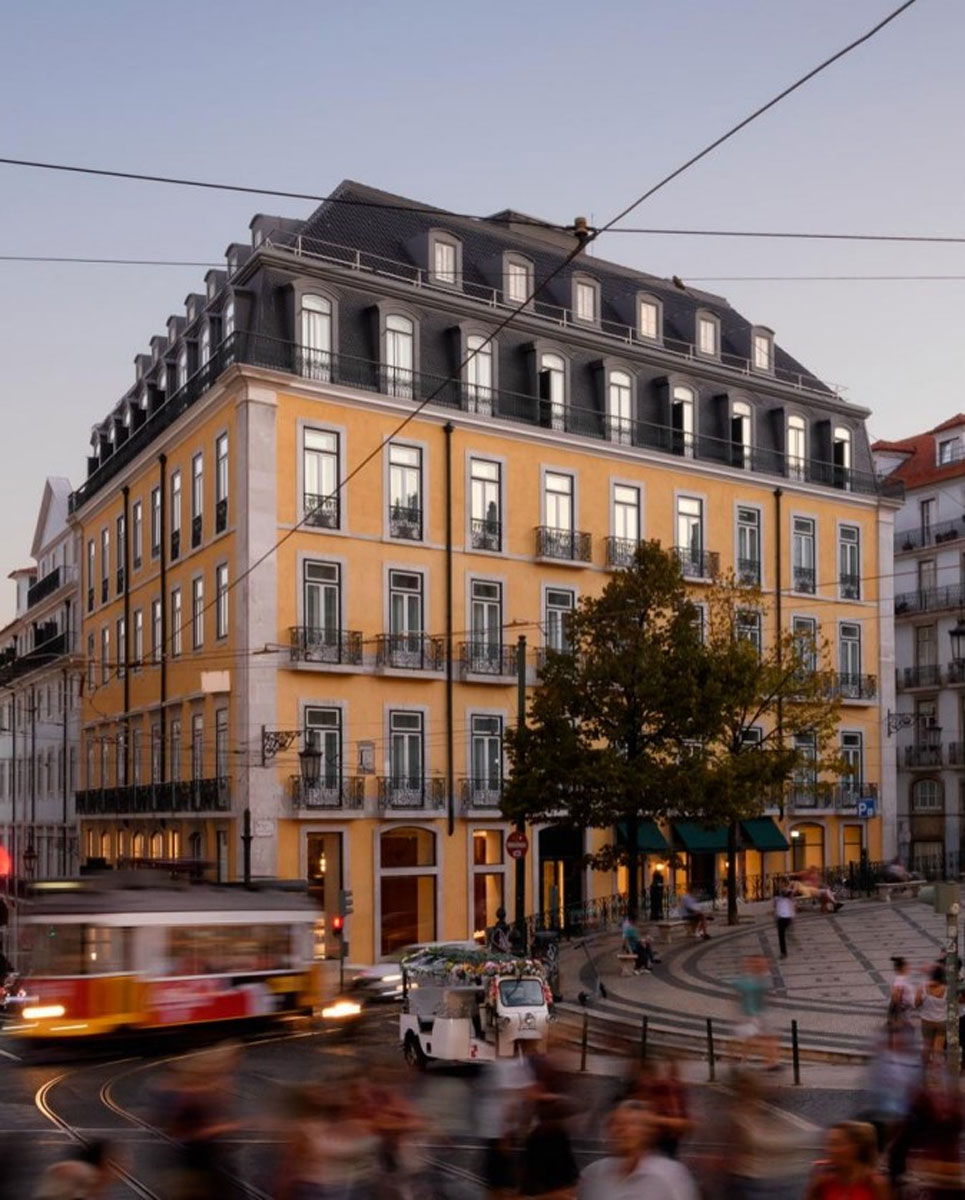
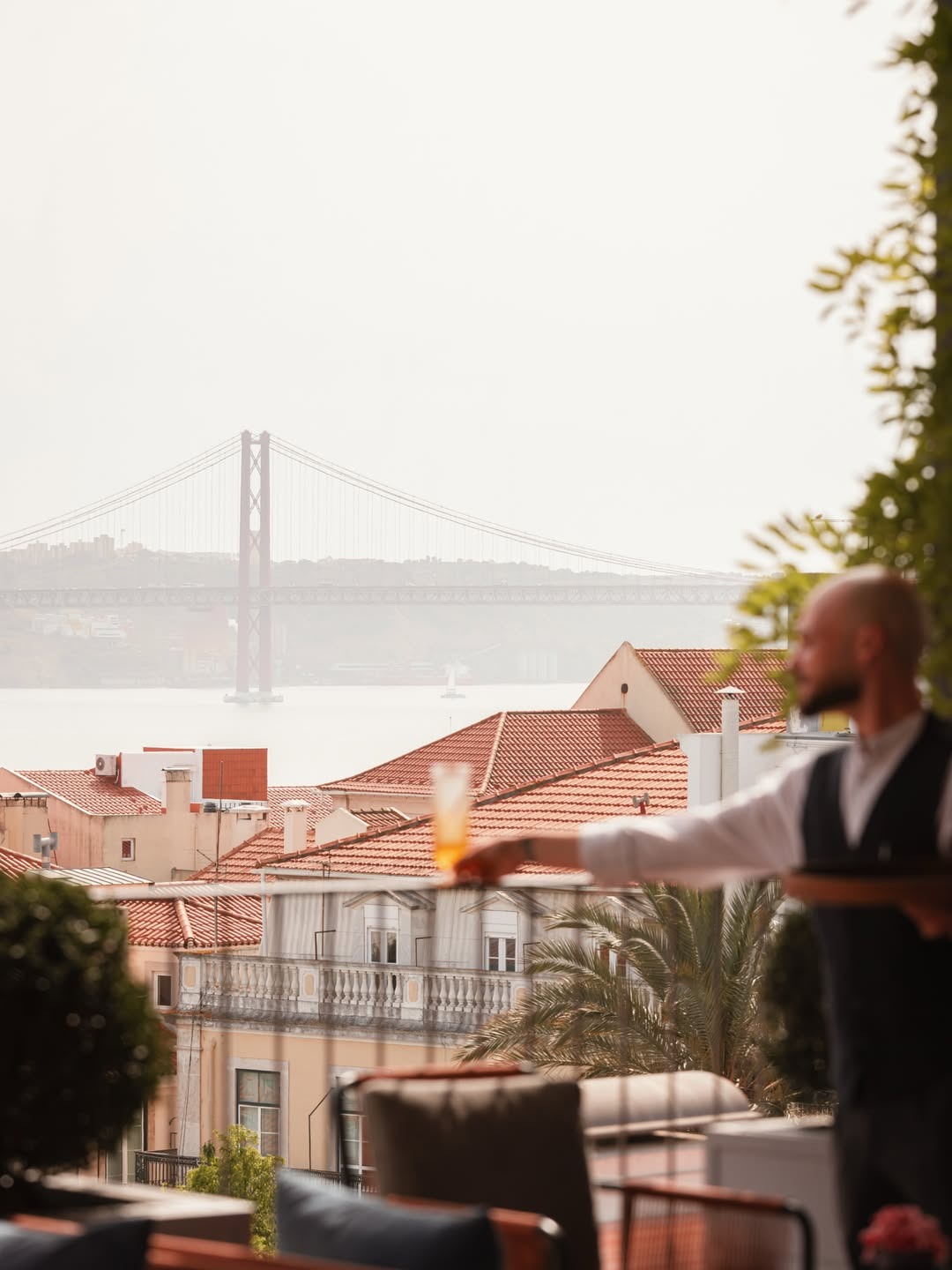
An 18th-century building on Praça Luís de Camões, renovated by Pritzker Prize-winning architect Eduardo Souto de Moura, with a sixth-floor rooftop bar and fifth-floor restaurant — both overlooking the rooftops of Chiado and the Tagus River beyond. Leading Hotels of the World. The restaurant is led by celebrated Portuguese chef Nuno Mendes. Bairro Alto and Chiado sit at the intersection of everything that makes Lisbon worth staying in for a week: fado houses, independent bookshops, azulejo-tiled stairwells, and the particular quality of late-afternoon light that the city holds longer than any other in Europe.
Lisbon is a city that reveals itself in layers — and those layers are almost entirely invisible from a two-night stay. The Mouraria and Alfama, on foot and without a map, take a full morning before they begin to make sense and another before they begin to feel like yours. The LX Factory on a Sunday. The Museu Nacional do Azulejo for an entire afternoon. A table at a cervejaria in Cais do Sodré at eleven at night, ordering percebes and a cold Sagres, understanding that this is how the city actually functions. The hotel's spa, couples treatment rooms, and art gallery — on rotation with local artists — make returning each evening feel like its own event. Portugal has full marriage equality; Lisbon is one of the most effortlessly gay-friendly capitals in Europe.
LEADING HOTELS OF THE WORLD
NUNO MENDES RESTAURANT
ROOFTOP BAR & TERRACE
FULL-SERVICE SPA & COUPLES ROOMS
ART GALLERY
EDUARDO SOUTO DE MOURA ARCHITECTURE
May through June and September through October — the Atlantic light at its most extraordinary, the temperature ideal, and the city populated but not overwhelmed. July and August bring more visitors and higher prices; Lisbon handles it better than most European capitals, but the shoulder months are still preferable. Sintra is forty minutes by train; the Alentejo coast is ninety minutes by car. Five nights minimum — the city gives more every day, and the fifth morning is the one where you stop consulting a map entirely.
YOU BELONG EVERYWHERE.
© 2026 OUTINRY.