THE CITY EDIT
A city that began as a fishing village, became a Hollywood secret, and quietly transformed itself into the most significant queer destination in the Americas — without ever losing the quality of its light.
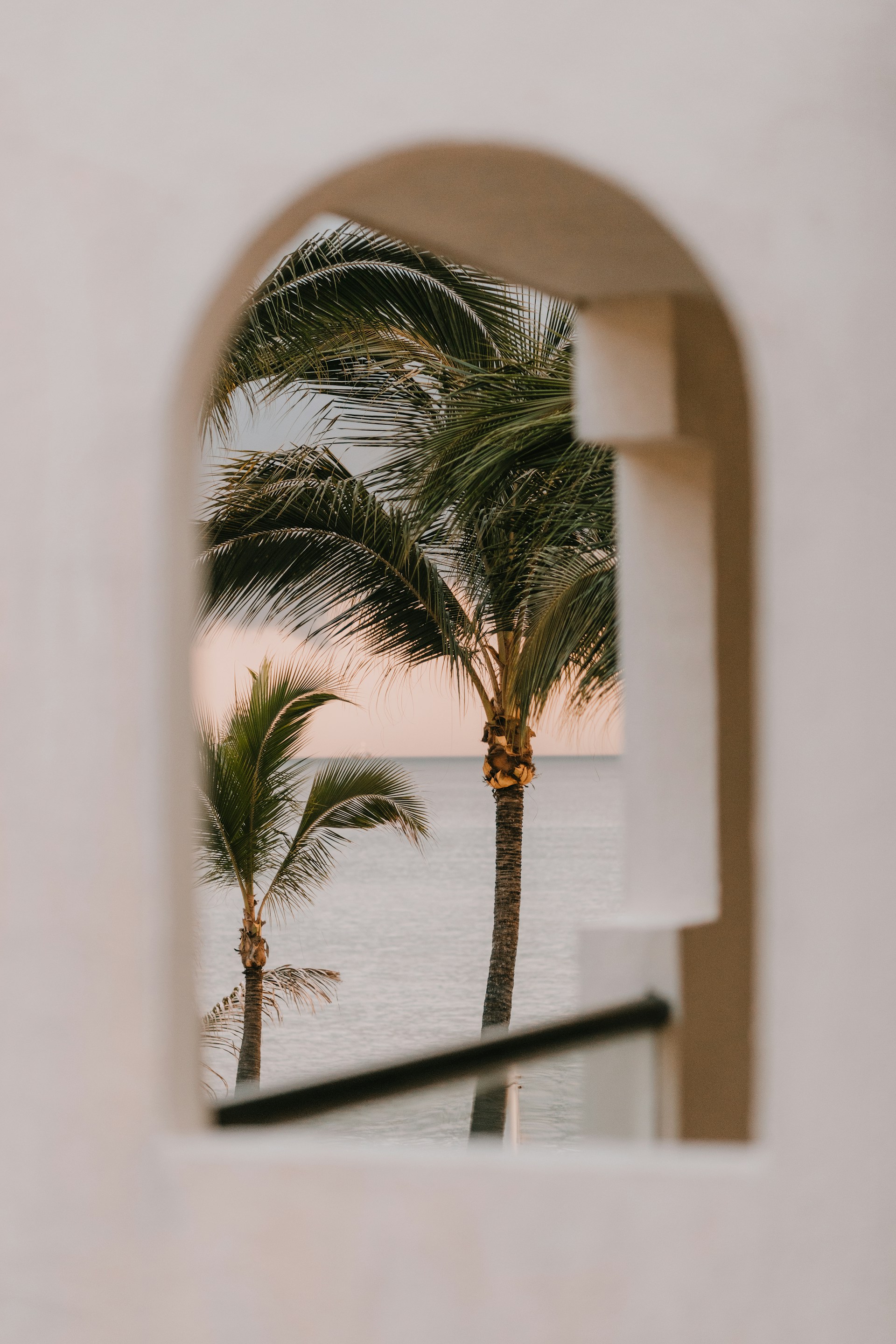
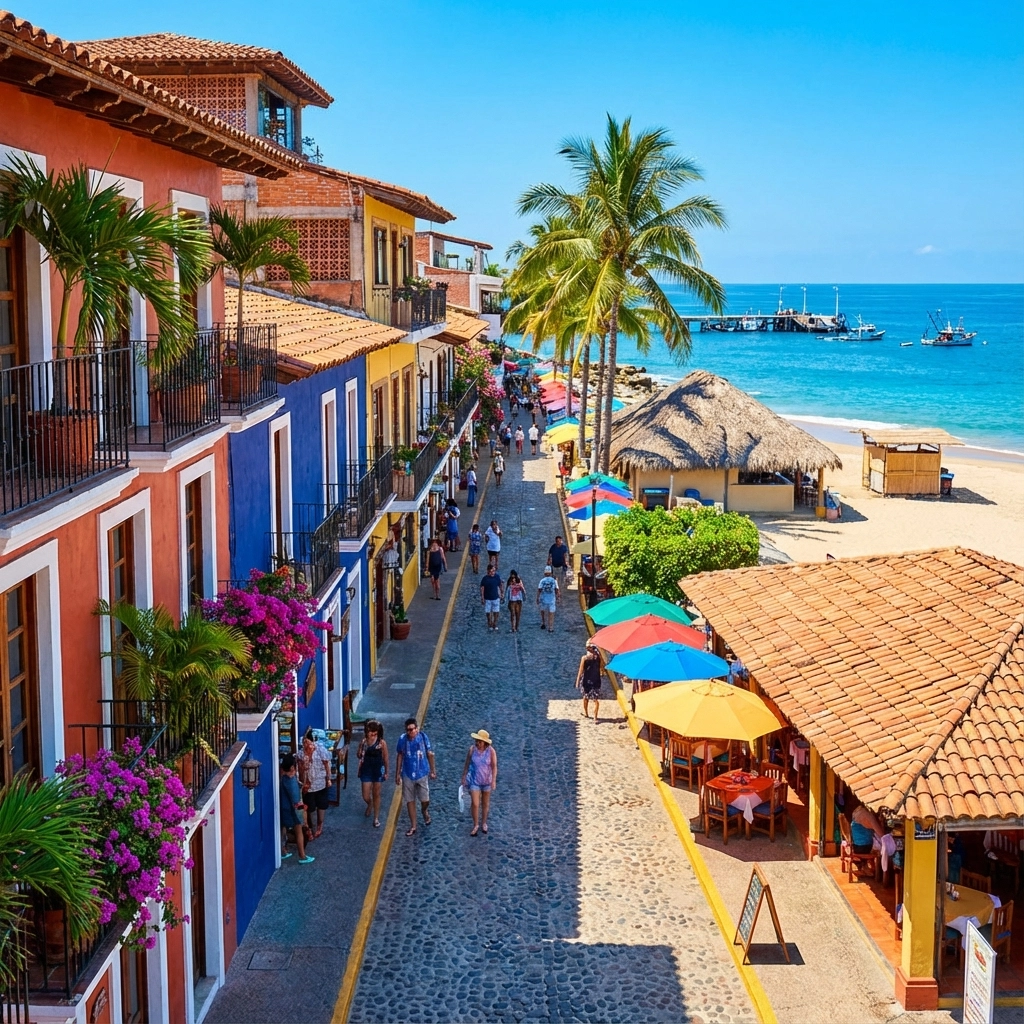
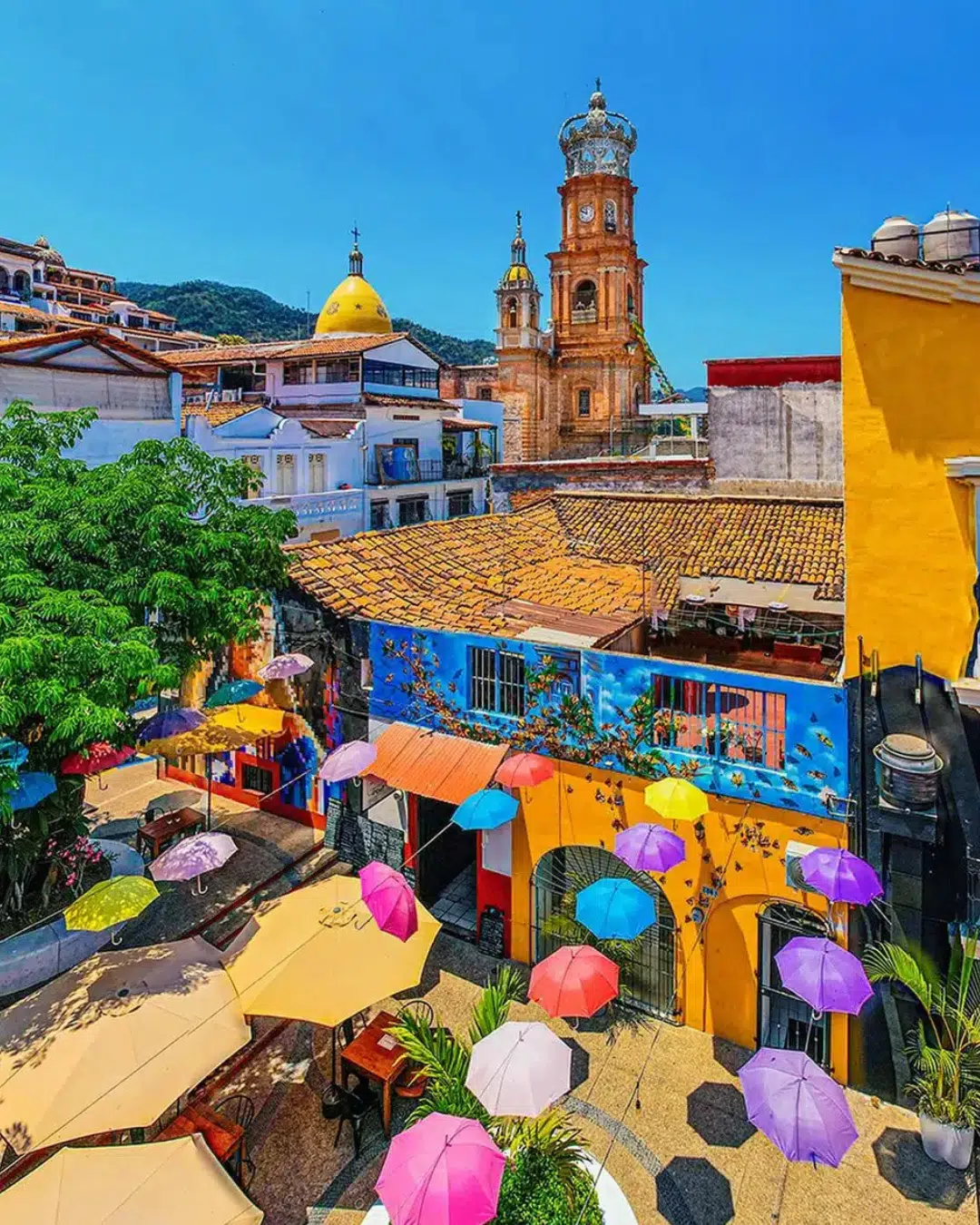
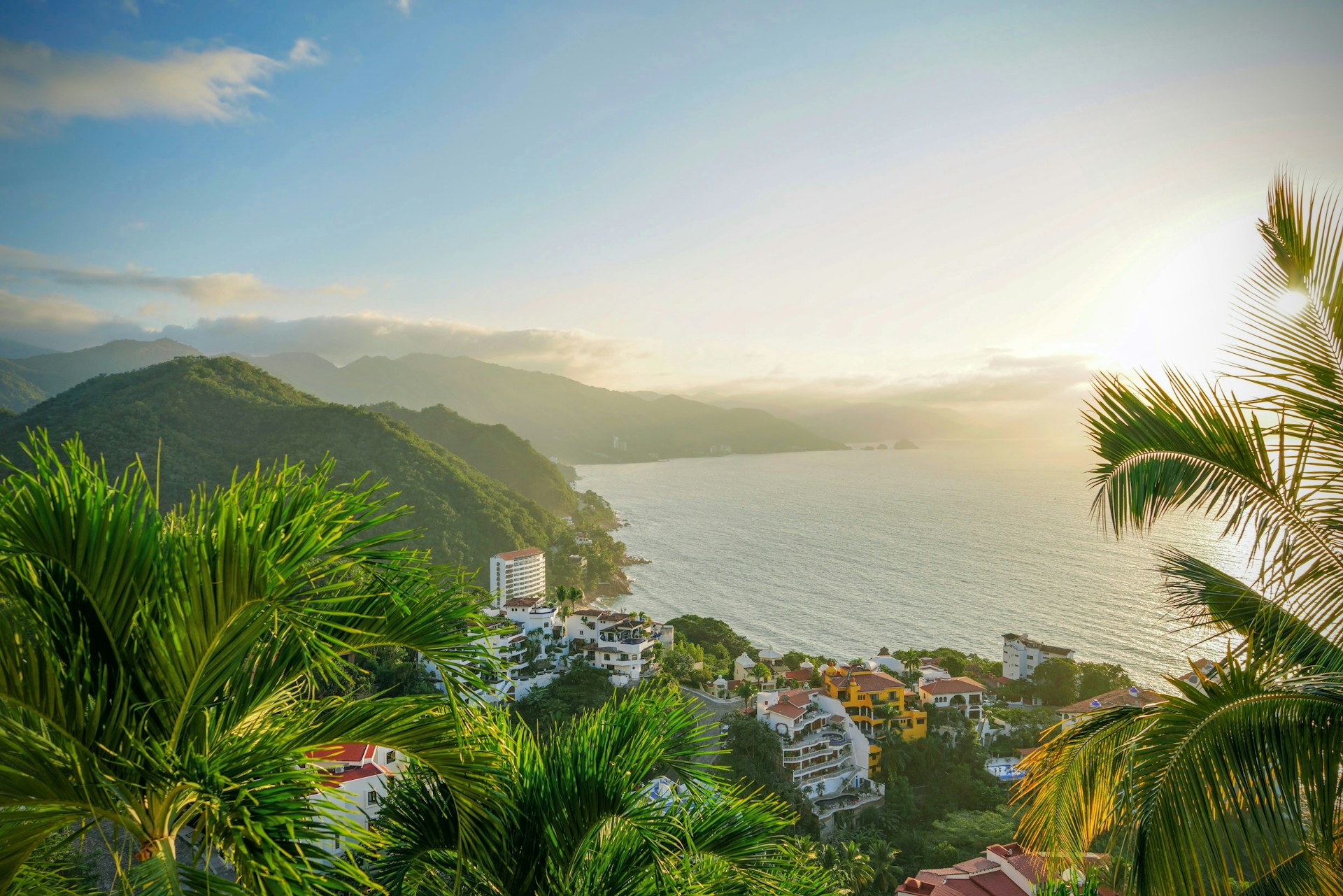
Puerto Vallarta arrived late to the world's attention and has never quite left. The Sierra Madre descends almost to the waterline here, pressing the city between mountain and Pacific in a way that makes every view feel slightly improbable. Cobblestone streets climb from the malecón through the old town past the Church of Our Lady of Guadalupe — its crown a city landmark since 1965 — and into hillside neighbourhoods where bougainvillea spills over colonial walls. The bay of Banderas is one of the largest natural bays in the Americas: humpback whales arrive in winter, the water holds its warmth through spring, and the light at golden hour belongs to this latitude alone.
Puerto Vallarta's queer history is inseparable from its modern identity. The Zona Romántica began drawing gay travellers in the 1980s, building the kind of critical mass that eventually made it the most recognised gay destination in Latin America. Richard Burton and Elizabeth Taylor filmed here in the 1960s and brought the world's attention; in the decades that followed, the community that arrived chose to stay — building hotels, restaurants, bars, and a civic culture that has made the city genuinely different from any other resort on the continent. Gay travel in Puerto Vallarta is not a niche or a season: it is the city's founding logic, written into its streets.

"The bay holds the light differently here — longer, warmer, more particular."
SELECTION
Rest where luxury breathes with intention—boutique sanctuaries designed for those who understand that the finest accommodations reveal themselves slowly.

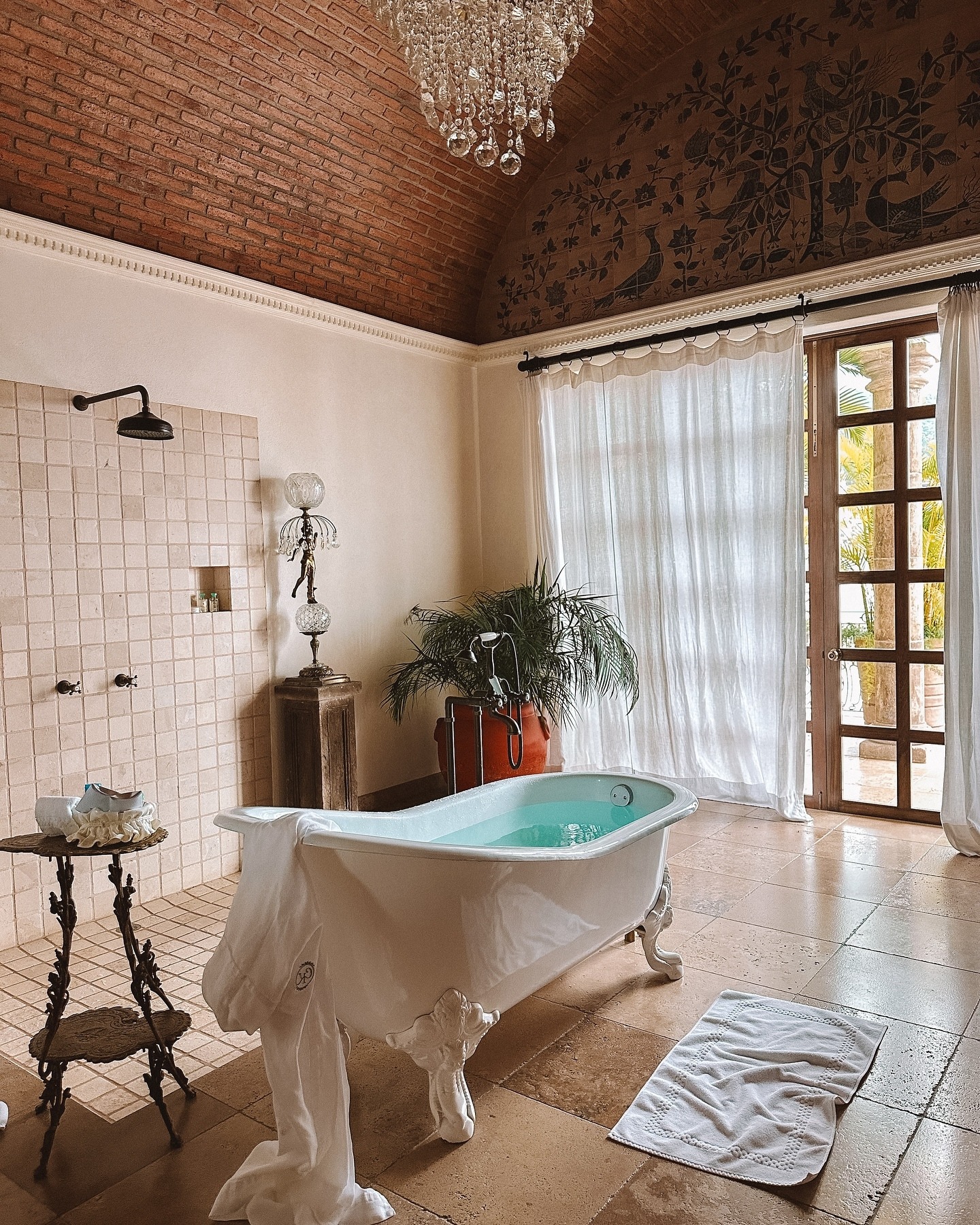
Richard Burton bought this hillside villa for Elizabeth Taylor in 1964 and connected it to his own across the street with a private bridge. The Bridge of Love still stands. Nine suites arranged across two colonial houses, each different, each furnished with the particular confidence of a place that knows exactly what it is. The MICHELIN Key recognises what guests have known for years. The Iguana restaurant, open to the bay, does the rest.
Book it
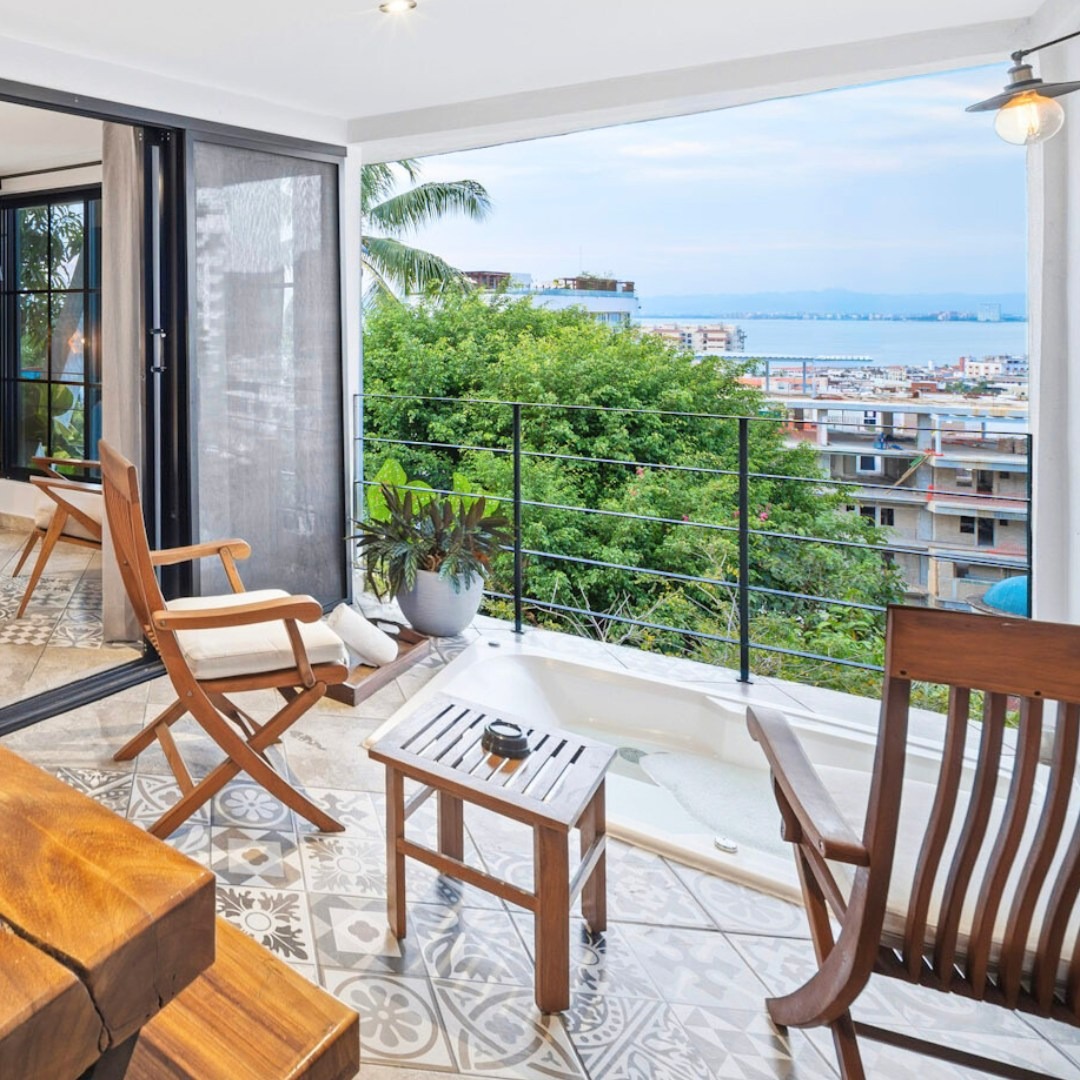
When Casa Cupula opened in 2002 there was no category for what it was doing: a luxury gay hotel, hillside above the Zona Romántica, with individually designed suites and the kind of service that operates as if your comfort is a personal matter. The Pool Club has become one of the city's social institutions. The view from the terrace is Banderas Bay from above, and it never disappoints.

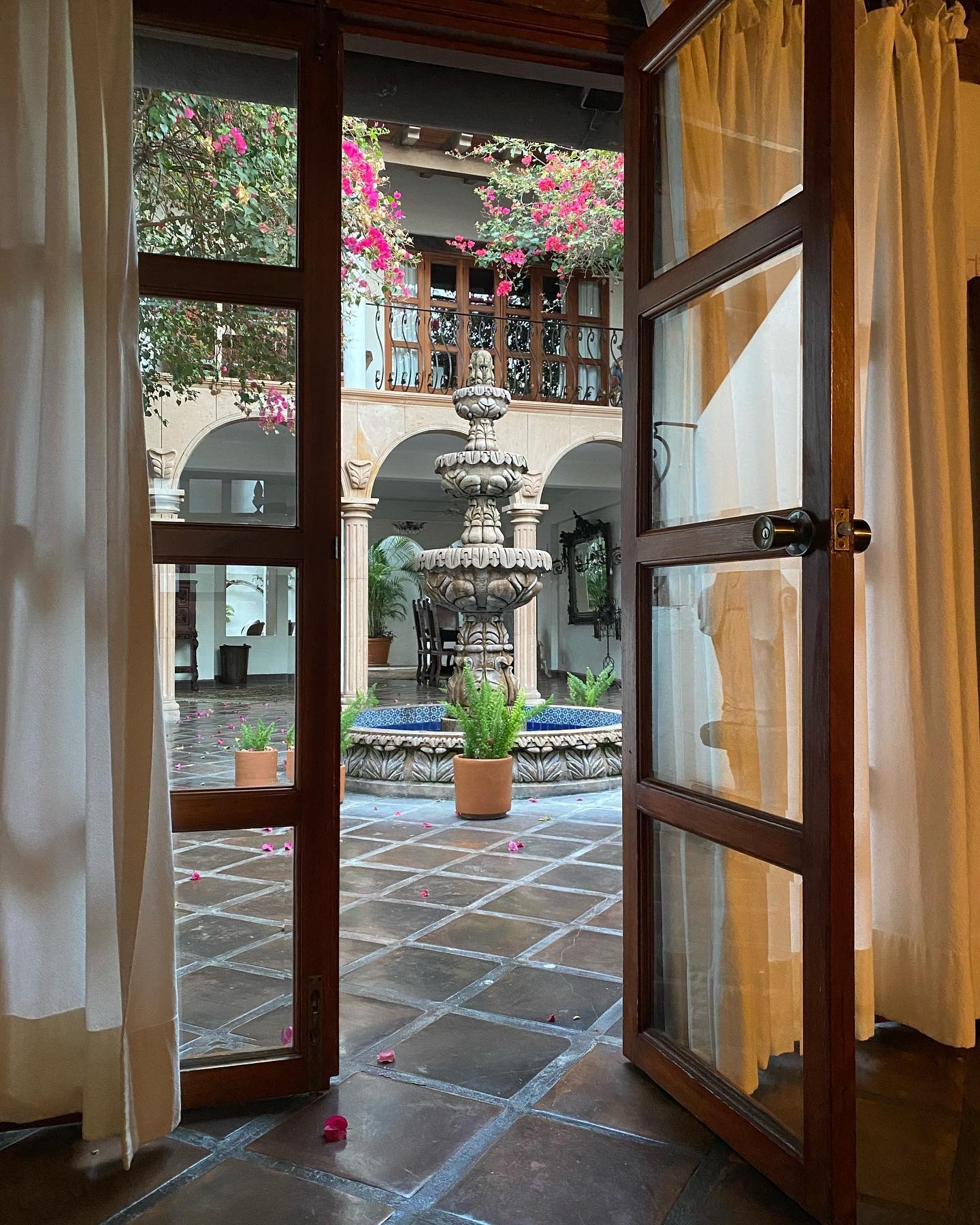
A network of colonial villas connected by flower-hung courtyards, gathered high above the old town where the views take in the full arc of Banderas Bay. Sacred art and antique sculptures at every turn, accumulated with the patience of a property that has never been in a hurry. MICHELIN Key for two consecutive years. The rooftop restaurant serves dinner at sunset to a bay that extends further than you can see.

Thierry Blouet has been cooking Franco-Mexican cuisine in this jungle garden since 1991 — and the reason to still be here after three decades is that the food remains the argument. Candlelit terraces, waterfalls, art installations, and a tasting menu that works its way through the evening with no intention of rushing.

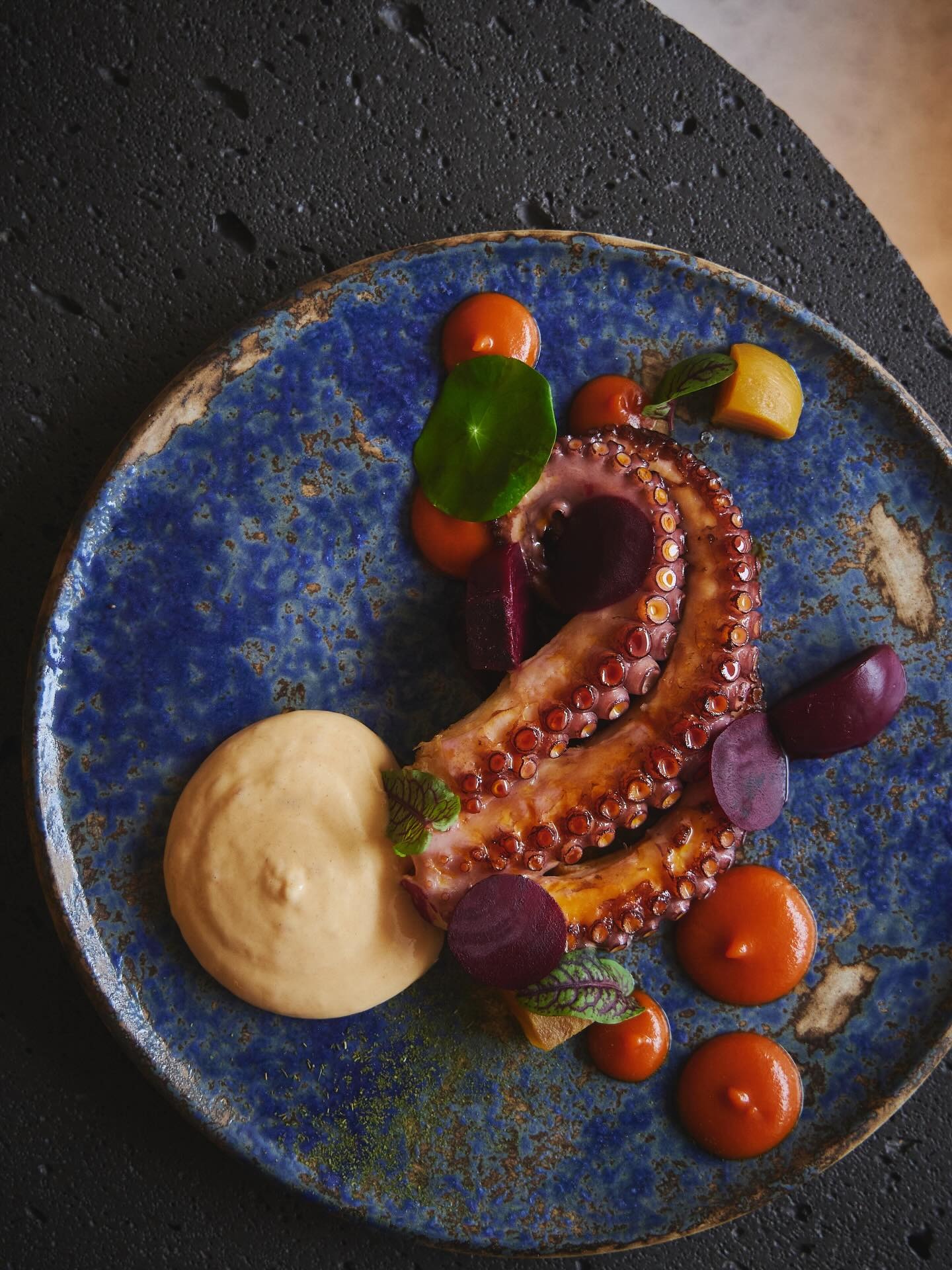
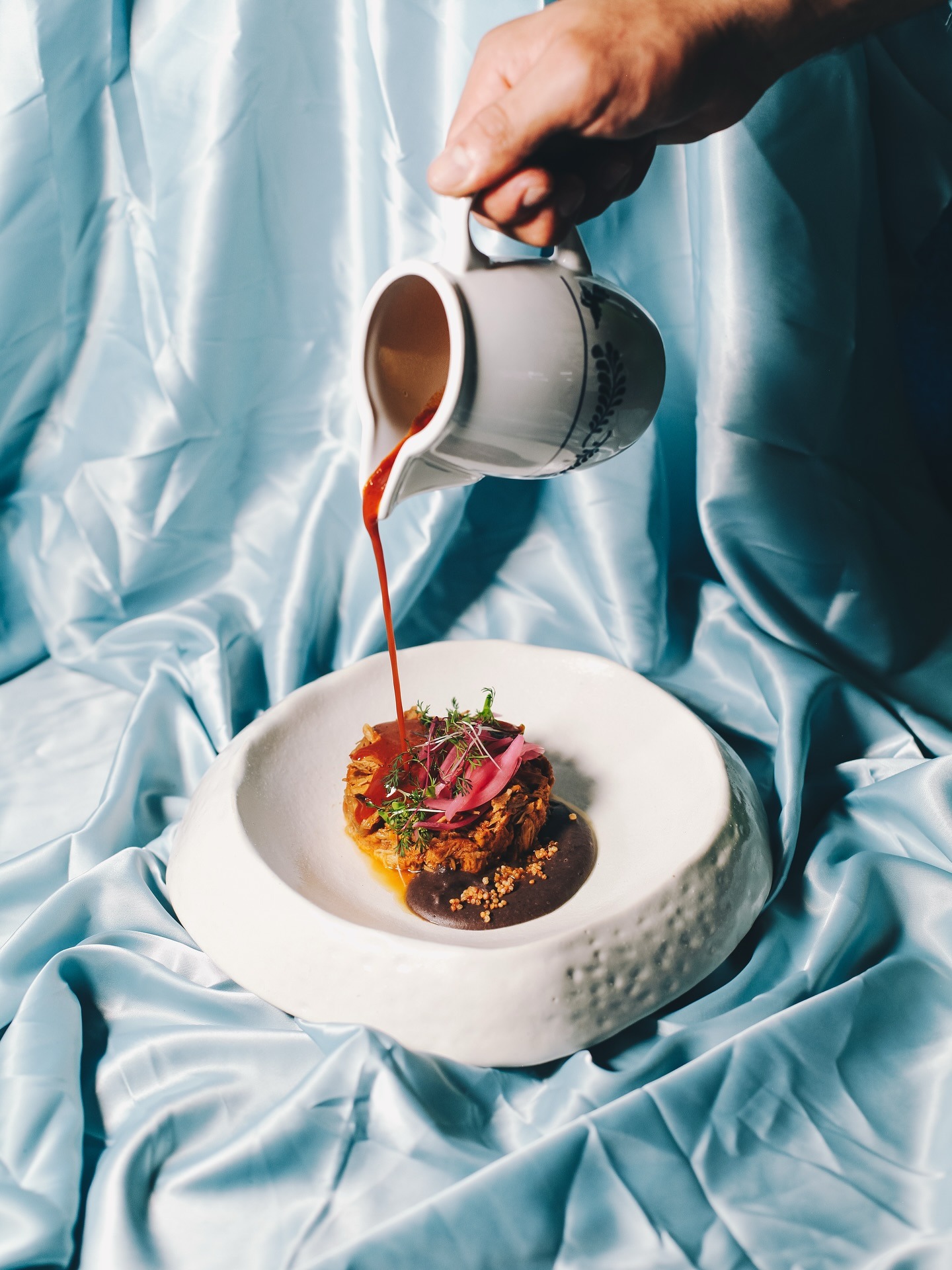
Contemporary Mexican cuisine in the Zona Romántica with the kind of precision that makes a destination out of a neighbourhood. Heritage ingredients handled with modern technique, local producers on the menu by name. A beautiful room, attentive service, and a kitchen that treats the Pacific coast's produce as the extraordinary thing it actually is.

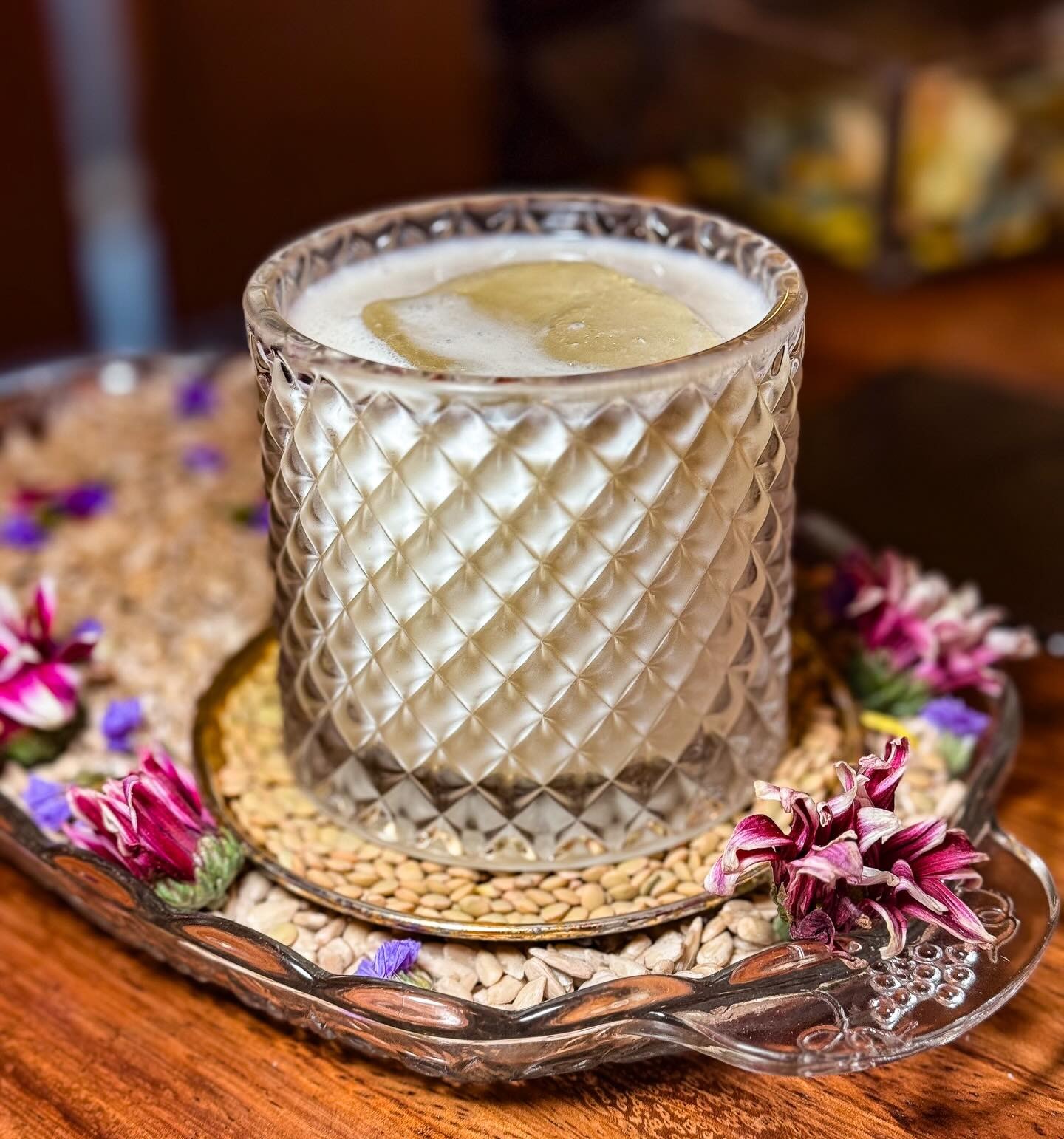
Mezcal cocktails composed as visual objects — built around Jalisco's native spirits, presented with the kind of attention that makes the drink itself the event. The space has a deliberately artistic sensibility: careful art, considered materials, music at a register that allows conversation. The Infatuation noticed. So has everyone who has been since.

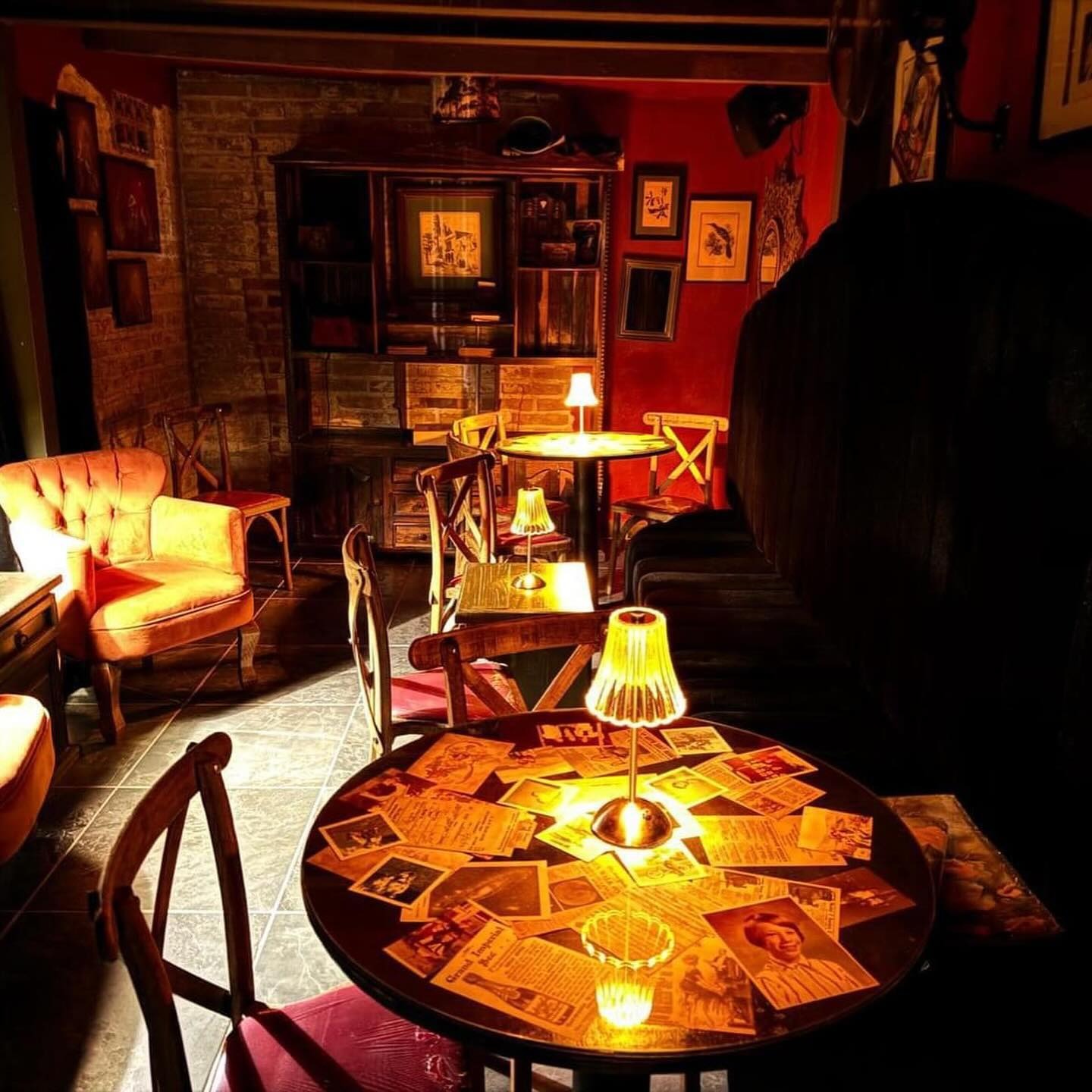
An unmarked door on Basilio Badillo, a buzzer, a flight of stairs. Four rooms of 1920s art deco design, two outdoor terraces, live jazz that arrives without announcement, and a retro cocktail menu built around spirits that earn the price. The Social Club opened in late 2024 and immediately became the most considered bar in Puerto Vallarta.

Zona Romántica
The Zona Romántica is the reason the world knows Puerto Vallarta. From Basilio Badillo to the Los Muertos pier, its streets were claimed, built, and shaped by a community that arrived and decided to stay — through the decades when that required a particular kind of nerve. Today the neighbourhood is something rarer: a place where queer life is the founding assumption, not a recent addition. Walk it at any hour. Something is always happening.
Why Go: To move through the neighbourhood that built the blueprint for gay resort culture in Latin America — and is still building it.

The Malecón & Old Town
The malecón runs the edge of the bay for half a mile, lined with sculpture that ranges from the playful to the profound — the Rotunda del Mar, the seahorse, the figures that have become as much a part of the city's identity as the church above it. The old town climbs from here through cobblestone streets past houses painted the particular colours of a city that takes aesthetics seriously. The light off the bay, at the right hour, is its own argument.
Why Go: To understand the scale of the bay, the weight of the city's art, and why Vallarta's particular quality of light has been drawing people here for sixty years.

Church of Our Lady of Guadalupe
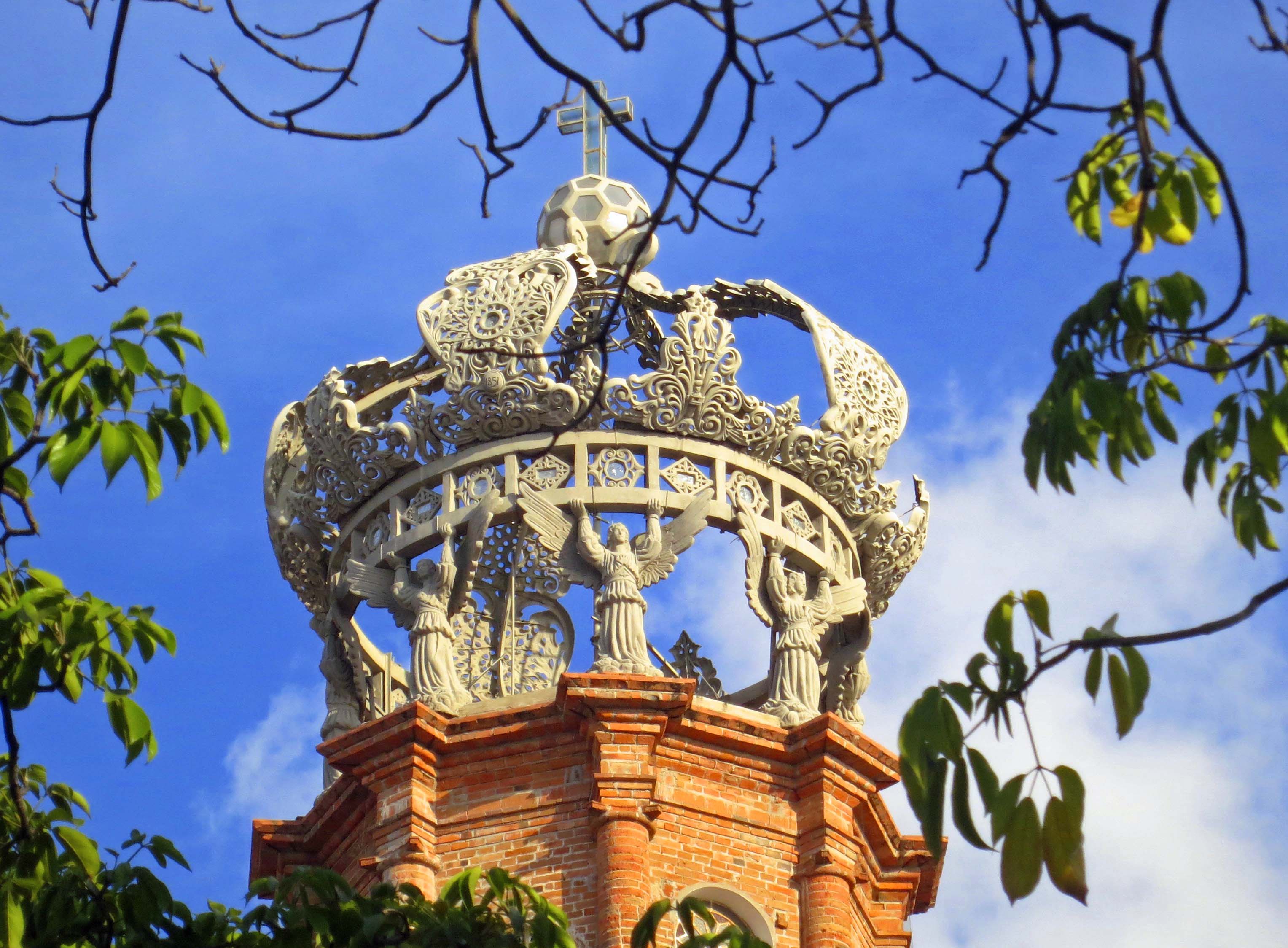
The crown atop the Church of Our Lady of Guadalupe has watched over Puerto Vallarta since 1965 and remains its most recognisable landmark — visible from the bay, from the hills, from almost every cobblestone street in the old town. It appears in the background of every film shot here, every postcard sent from here, every photograph taken from the malecón. To stand in the plaza at dusk, as the light goes gold across the façade, is to understand exactly why everyone keeps coming back.
Why Go: To stand at the visual centre of the city and understand that Puerto Vallarta has always had a talent for theatre.

Río Cuale Island
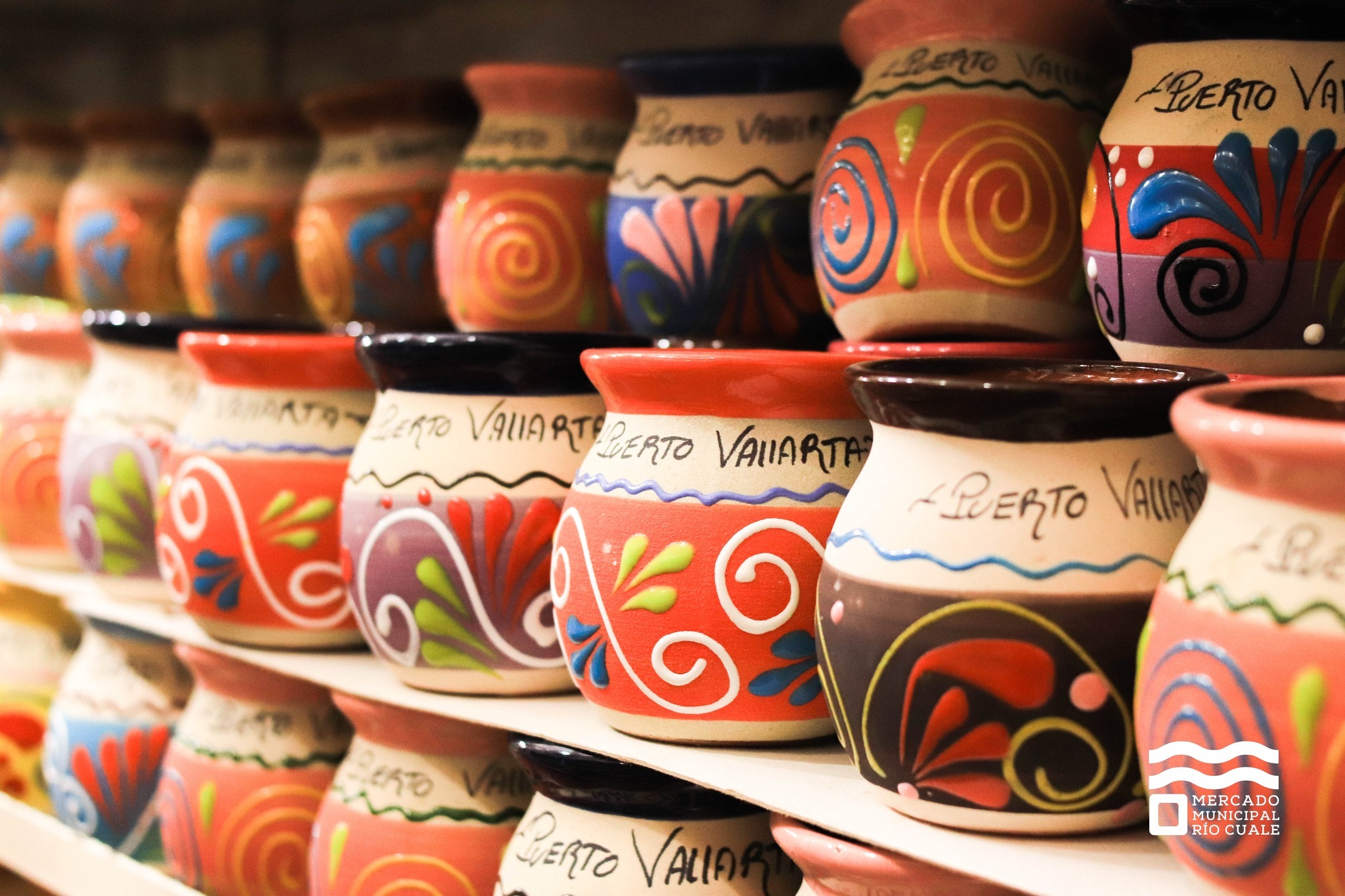
A narrow island in the Cuale river, running between the old town and the Zona Romántica, accessible by footbridge from either side. The Museo Río Cuale sits here, as does a market of artisans, a handful of open-air restaurants, and a quality of stillness that the city doesn't manage anywhere else. Birds. The sound of water. The afternoon light through the trees. A ten-minute walk from everything, and a world apart from it.
Why Go: To find the quietest place in the city, which happens to be at the centre of it.
YOU BELONG EVERYWHERE.
© 2026 OUTINRY.