THE CITY EDIT
Where the Night Has Always Been Generous:
Madrid
A city that withholds nothing — where the light lasts until ten, dinner begins at midnight, and the streets have always made room for those who needed them most.
THE CITY EDIT
A city that withholds nothing — where the light lasts until ten, dinner begins at midnight, and the streets have always made room for those who needed them most.
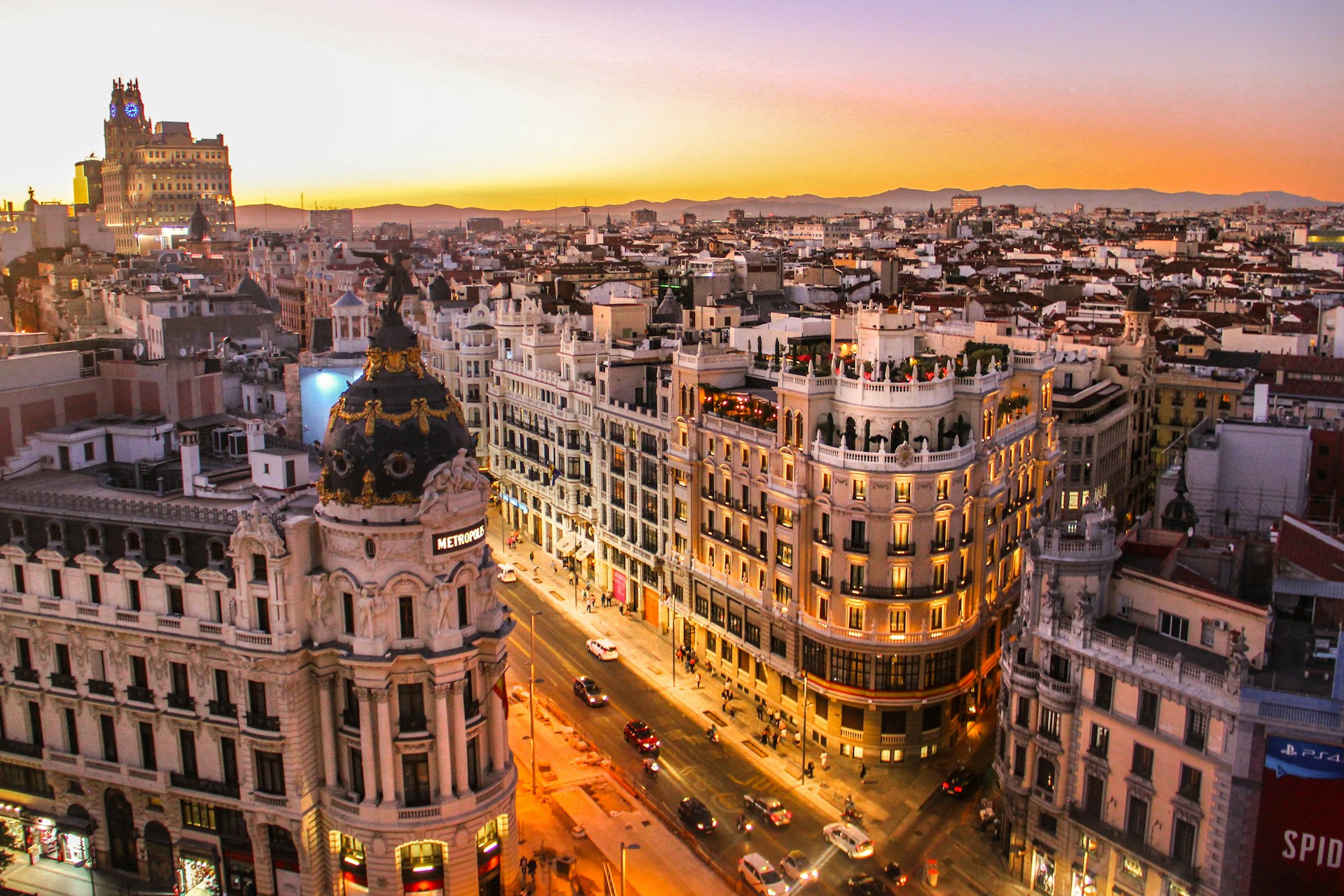
Madrid arrives slowly and stays forever. The light here is unlike anywhere else in Europe — a particular quality of gold in the late afternoon, the sky holding colour long after sunset, the city refusing to dim. Palaces and ministries anchor the centre while just blocks away Malasaña's narrow streets pulse with the energy of a neighbourhood that has been reinventing itself for fifty years. The Prado holds Goya and Velázquez and Bosch; the Reina Sofía holds Picasso's Guernica; and between the two, the city conducts its daily life with the unhurried confidence of a place that has always known its own worth.
Chueca has been Madrid's queer heart for decades — a neighbourhood that transformed from neglect to cultural centre in the 1980s and never looked back. Its squares, bars, bookshops, and terraces are woven into the fabric of city life, its rainbow crosswalks unremarkable in the best possible way. But Madrid's queer presence extends far beyond Chueca: in the films of Almodóvar, in the radical energy of the Movida Madrileña that shook Spain awake after Franco, in the designers, artists, and performers who made this city one of the most creatively alive in Europe. The WorldPride Madrid of 2017 brought two million people to the streets. The city has never once suggested they should leave.
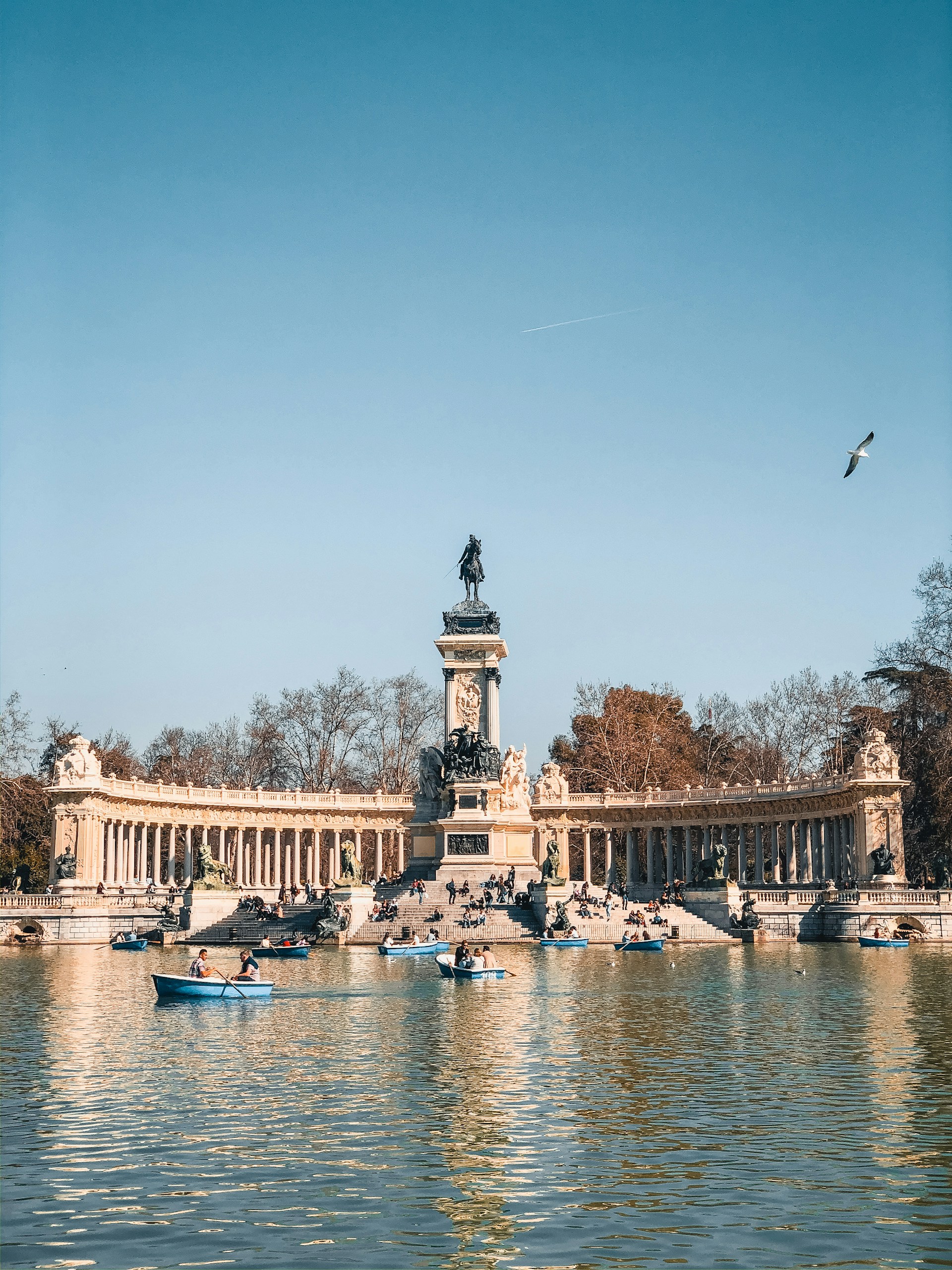
"Warm stone and warm light, and the city refusing to end."
SELECTION
Rest where luxury breathes with intention—boutique sanctuaries designed for those who understand that the finest accommodations reveal themselves slowly.
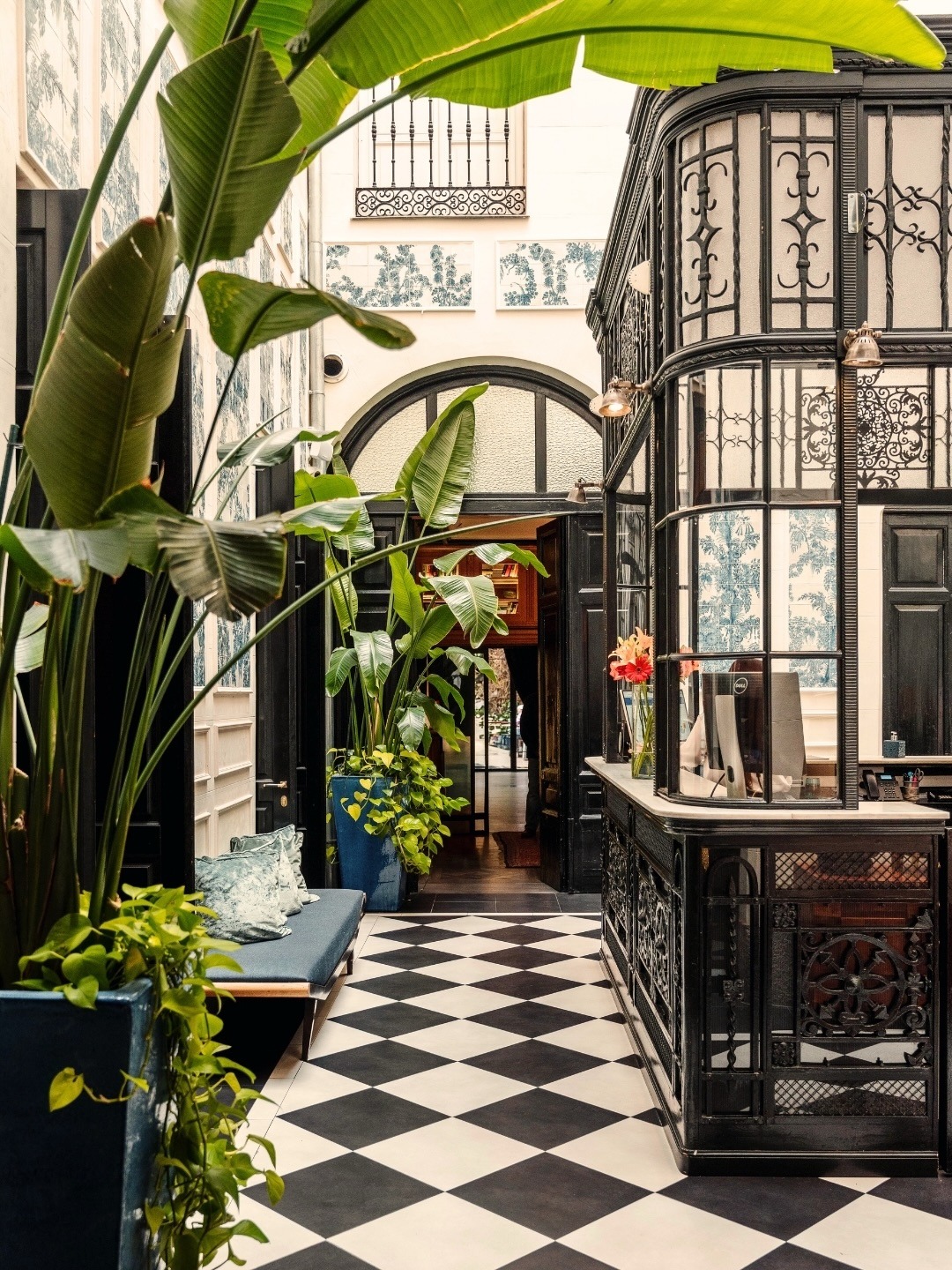
A 19th-century Chueca mansion given new bones by designer Lázaro Rosa-Violán — high ceilings, sculpted light, rooms that feel assembled rather than decorated. The lounge and cocktail bar draw locals as readily as guests; the line between hotel and neighbourhood dissolves by the second evening. Whatever Chueca becomes tonight, this is where it makes most sense to be staying.
Book it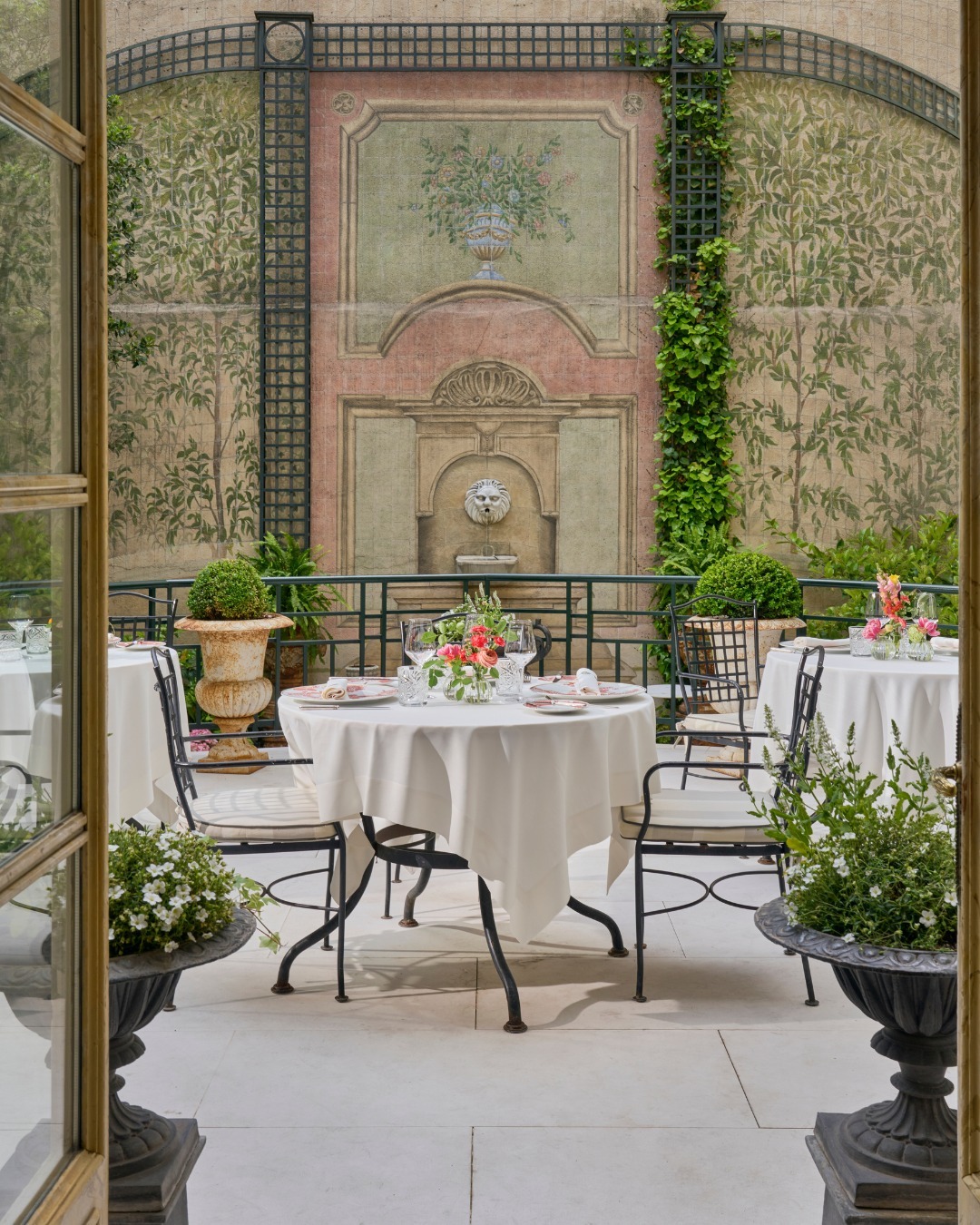
Thirty-two rooms in an 1886 palace on one of Madrid's quietest streets. Relais & Châteaux since its opening year — a recognition that came swiftly and has never required revisiting. Period furniture, marble floors, a trompe-l'oeil courtyard full of plants, a garden where two-Michelin-star chef Mario Sandoval composes the menu. The city moves urgently outside; inside, there is no particular reason to hurry.
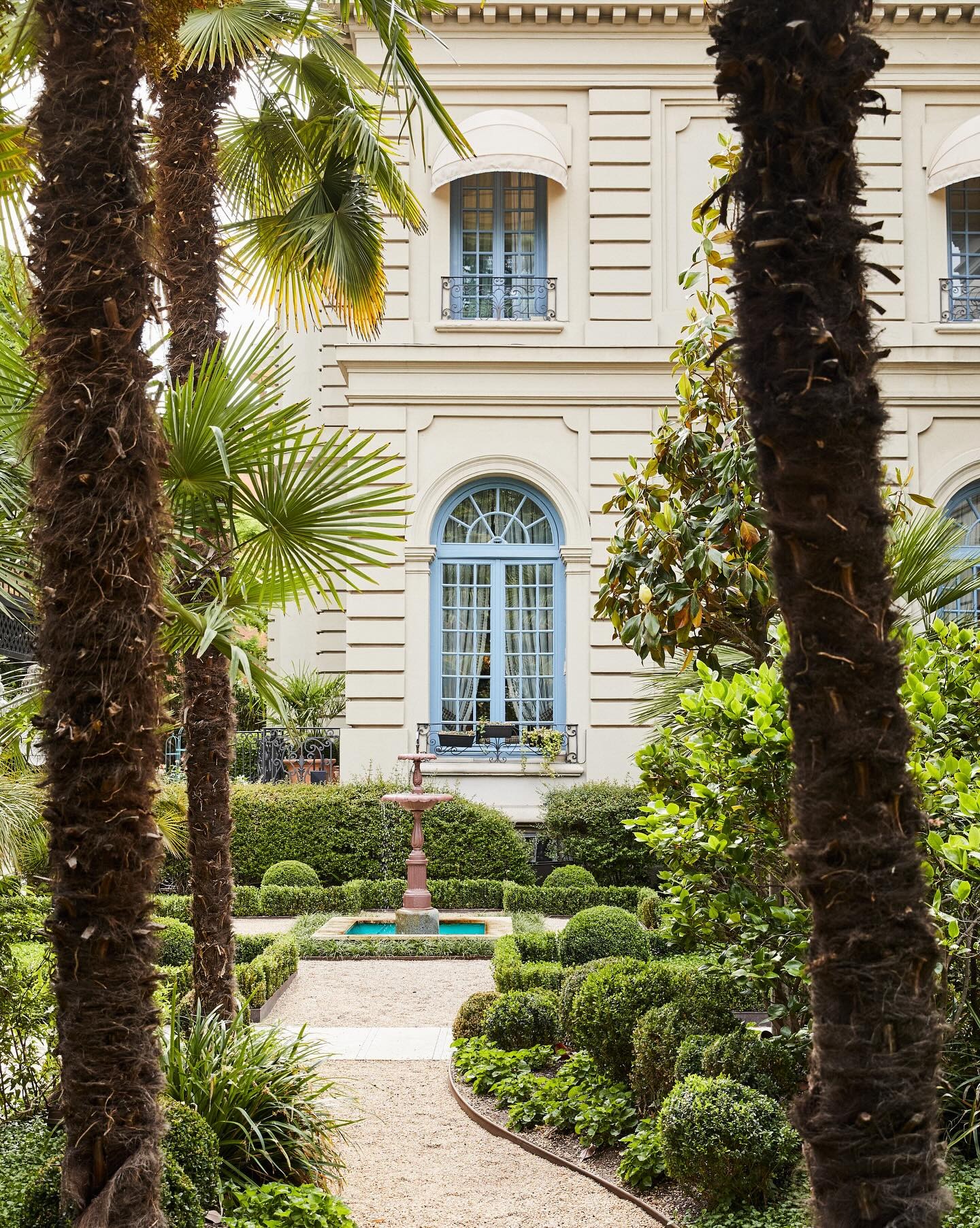
The Duke of Santo Mauro's residence still operates as if he might return. Three buildings around a private garden of ancient chestnut trees; forty-nine rooms furnished with 19th-century particularity; a library converted into a restaurant without surrendering an inch of its atmosphere. Madrid's boutique hotel era has this property at its origin point. The chestnut trees are older than the city's current form. The garden is extraordinary.
Book it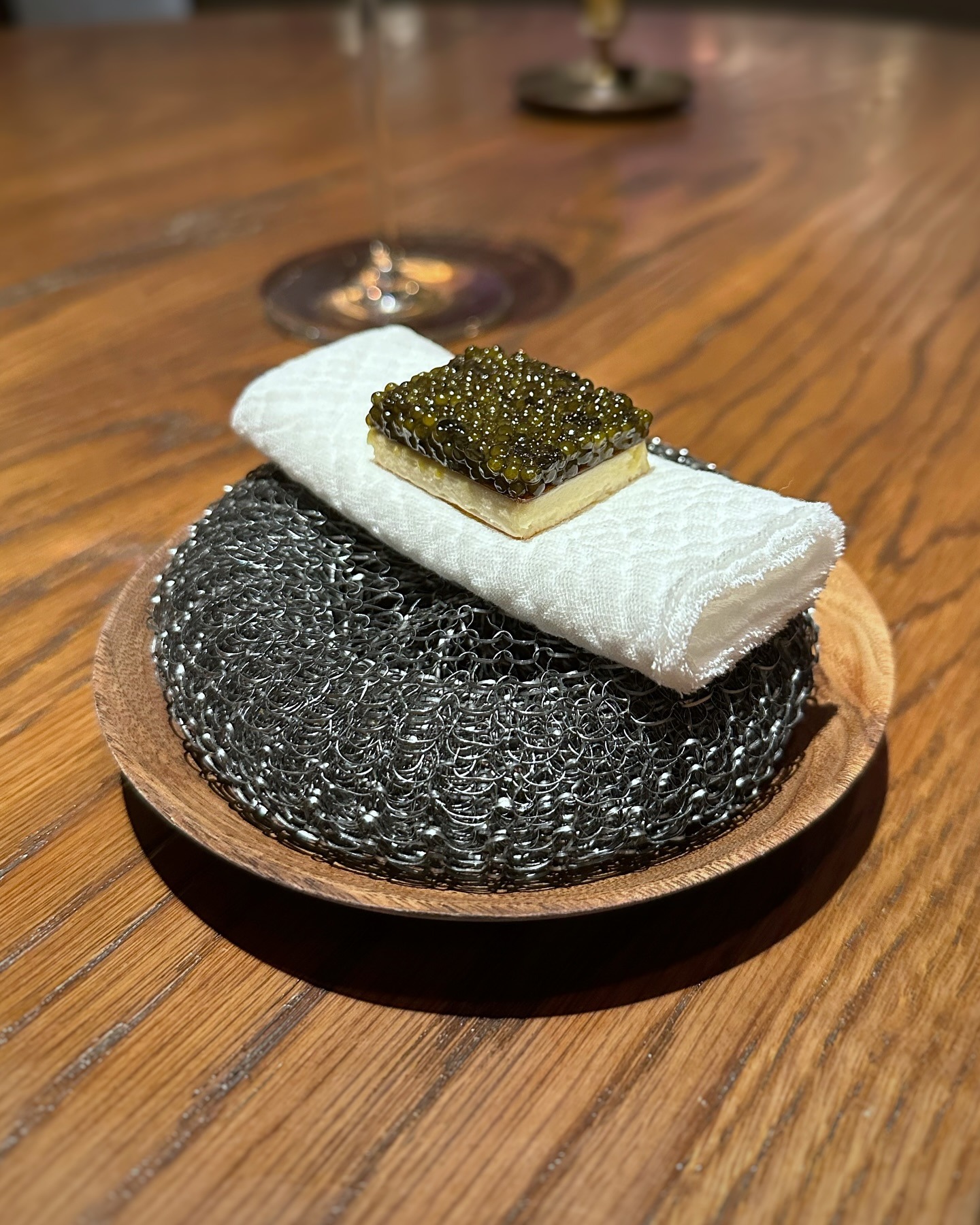
Diego Guerrero dismantled fine dining's formality and built something better in a Salesas loft: exposed brick, open kitchen, two Michelin stars, a Green Star for sustainability. Menus that move between Spain, Mexico, and Japan with complete conviction. The dining room feels like a conversation rather than a performance.
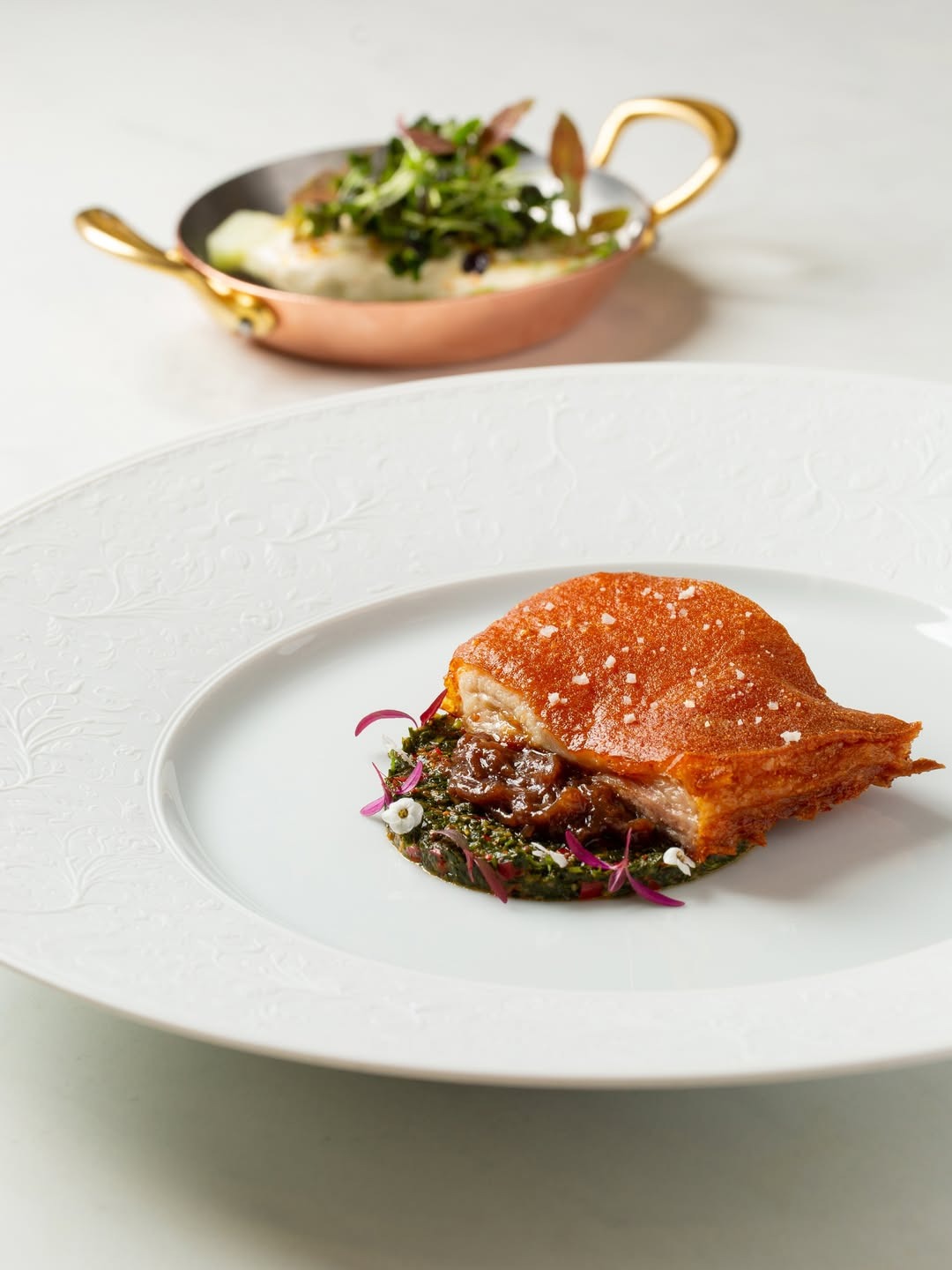
Adolfo Santos applies French-Spanish technique with the kind of precision that has held a Michelin star since 2021. The dining room is cool and unhurried; the wine list is among Madrid's most considered. Saddle is exactly what a serious restaurant should be — and never once reminds you of that.
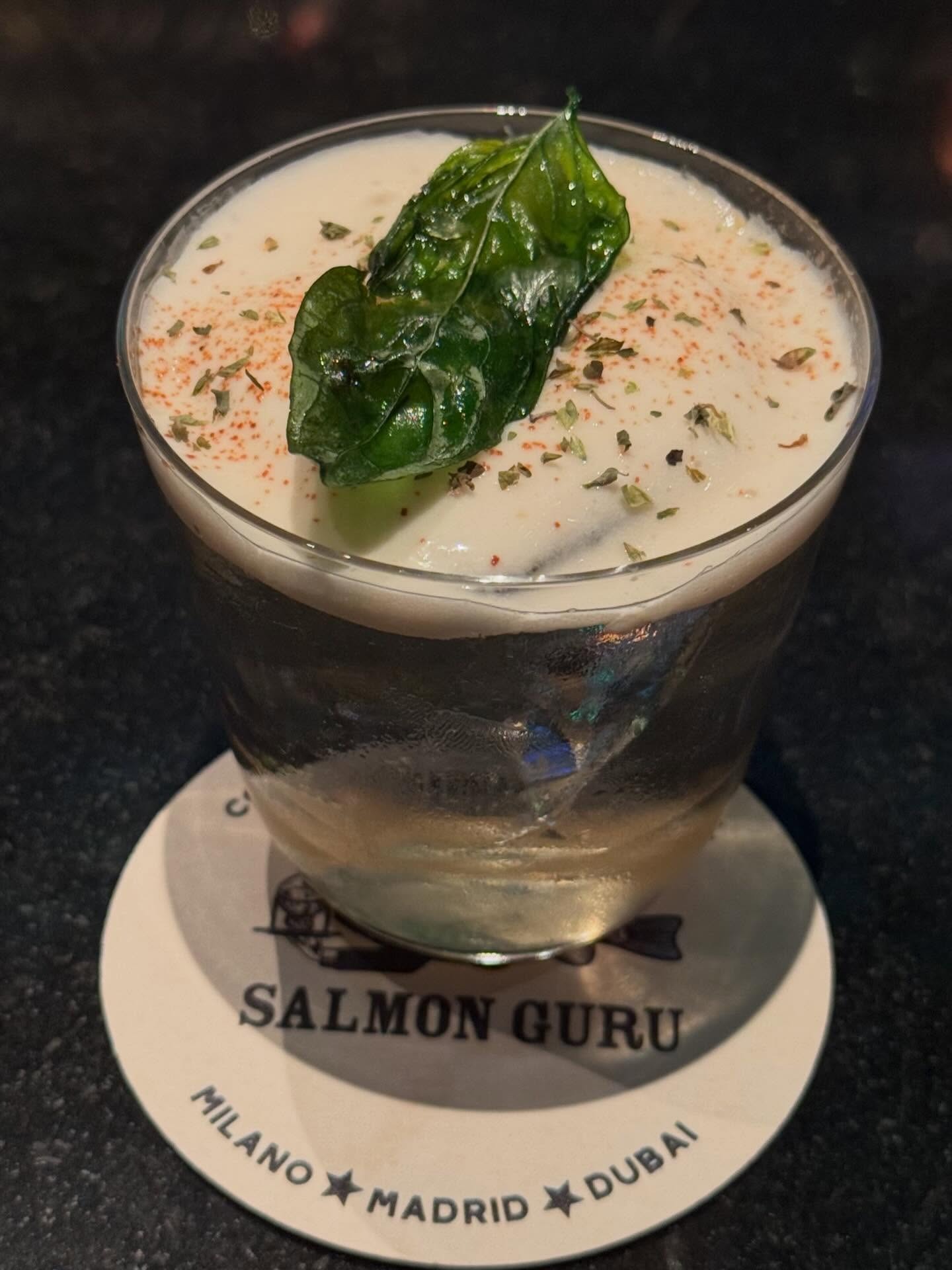
Diego Cabrera's bar has held a place on the World's 50 Best Bars list every year since 2018 — currently No. 37. Three rooms, each a different visual argument; cocktails that are technically serious and theatrically presented. The mantra is "only dead fish go with the flow." The drinks prove it.
.jpg)
The Prado
The Prado does not need superlatives. It holds Las Meninas, Goya's Black Paintings, Bosch's Garden of Earthly Delights, and rooms of Titian and El Greco that would make any other city's national collection feel provisional. It is twenty minutes' walk from Chueca, and five minutes from Hotel Orfila. Madrid's relationship with its art is intimate and unsentimental — the Prado simply assumes you're ready for it.
Why Go: To stand in front of Velázquez's Las Meninas and understand that everything you thought you knew about painting requires revision.
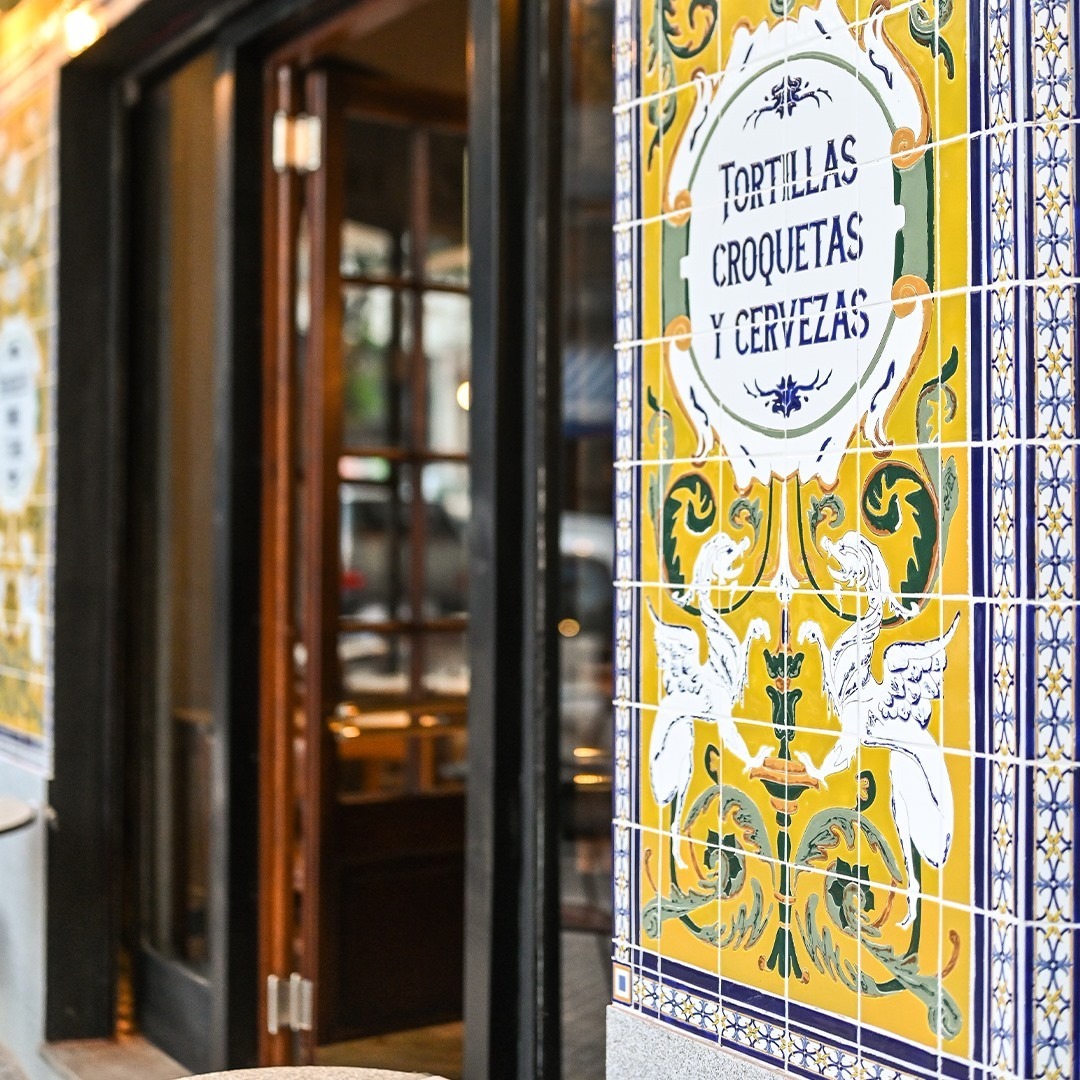
Chueca
Chueca was neglected and then reclaimed — and what was made of it changed Madrid. Through the 1980s and 90s the neighbourhood's bars, bookshops, and open streets became a gathering point for queer Madrid at a moment when that gathering required courage. Today it moves with the ease of a place that has settled into itself. Plaza de Pedro Zerolo carries the name of an activist who helped make it possible. The terraces fill early and stay full.
Why Go: To move through the neighbourhood that took a city's discarded space and made it one of Europe's most vital cultural quarters.
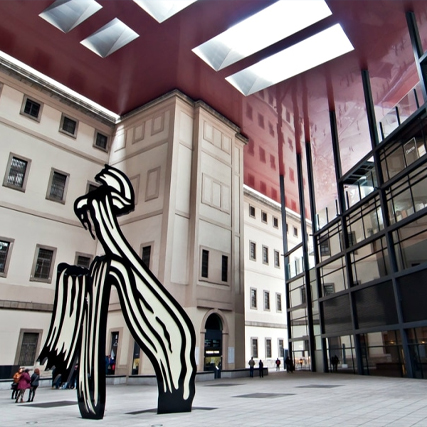
Museo Reina Sofía
Picasso's Guernica hangs in Room 206 and the room reorganises itself around it. The Reina Sofía is built in a former hospital on Atocha's edge — the conversion is as instructive as anything inside it. The permanent collection places 20th-century Spanish art within an international context that makes both richer. The queer thread in modern Spanish cultural life runs through these galleries as naturally as the brushwork.
Why Go: To see Guernica in the room it was always meant to inhabit — and to understand how an art institution can carry political memory.
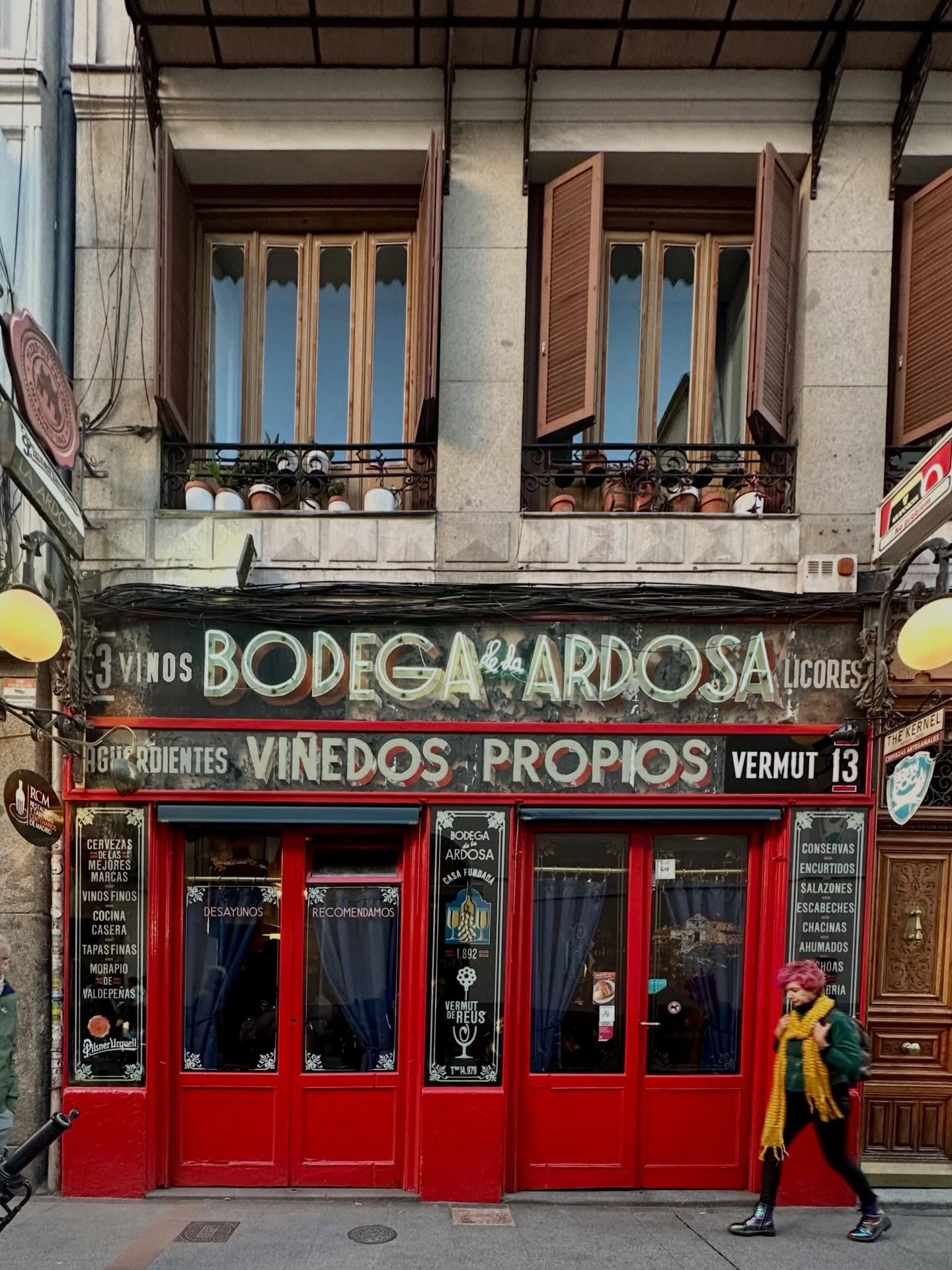
Malasaña
Malasaña was the epicentre of La Movida Madrileña — the cultural explosion that followed Franco's death and gave Spain its voice back. Almodóvar filmed here. The bars and record shops and independent cinemas of the late 1970s and 80s shaped the city in ways still visible in every street. Today the neighbourhood is home to vintage stores, 1862 Dry Bar, and the kind of café where nobody notices how long you've been sitting there.
Why Go: To understand what a city looks like when its creative class stays put long enough to build something.
YOU BELONG EVERYWHERE.
© 2026 OUTINRY.
