THE CITY EDIT
A city where mountains breathe heritage, oceans frame possibility, and belonging flows as naturally as the Atlantic winds. Discover Cape Town's unguarded elegance—where queer culture isn't celebrated as exception, but woven into the very fabric of the Mother City.
Cape Town unfolds in layers. The flattopped mountain rises above centuries of stories. Victorian terraces sit beside contemporary galleries. Clifton's crystalline beaches shimmer while De Waterkant's cobblestone streets pulse with energy that's existed for decades. The city doesn't hide itself—it reveals itself gradually, to those patient enough to wander. Every neighbourhood has a heartbeat: colourful Bo-Kaap rhythms, the waterfront's cosmopolitan ease, the mountains' quiet contemplation. This is not a city that performs. It simply exists, fully, unapologetically itself.
Cape Town holds distinction as Africa's queer capital—not through declarations, but through lived reality. The constitution that protects LGBTQ+ rights is woven into the city's bones. In De Waterkant's tree-lined streets, you'll find the world's longest-standing LGBTQ+ venues. You'll encounter queer artists shaping contemporary galleries, queer chefs reimagining African cuisine, queer entrepreneurs quietly building the city's cultural landscape. The 2028 World Pride, coming to Cape Town, signals what locals already know: this city is a sanctuary. Here, being yourself isn't an act of courage—it's simply the default.
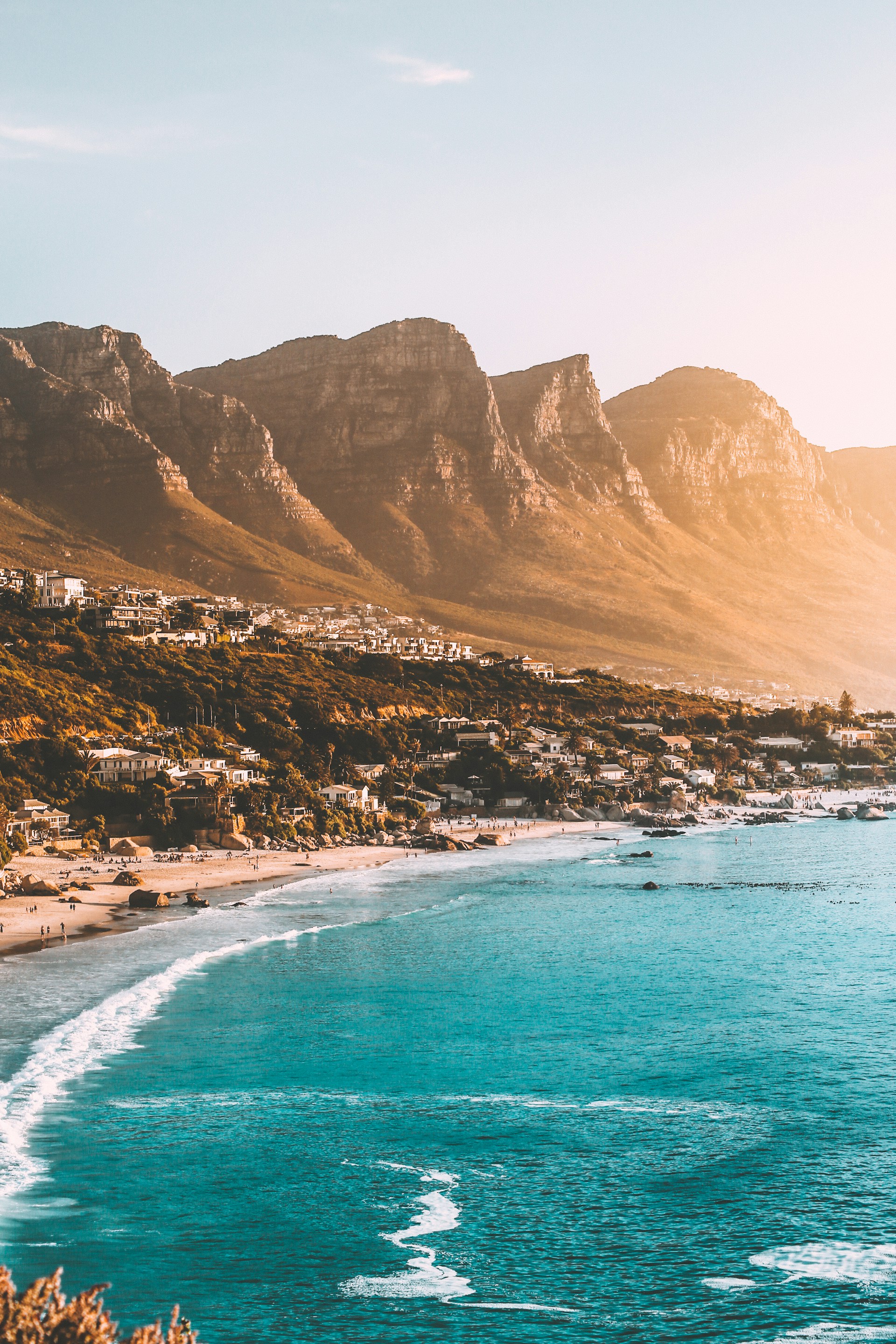
"Sunsets and ocean breezes in the Mother City."
SELECTION
Rest where luxury breathes with intention—boutique sanctuaries designed for those who understand that the finest accommodations reveal themselves slowly.

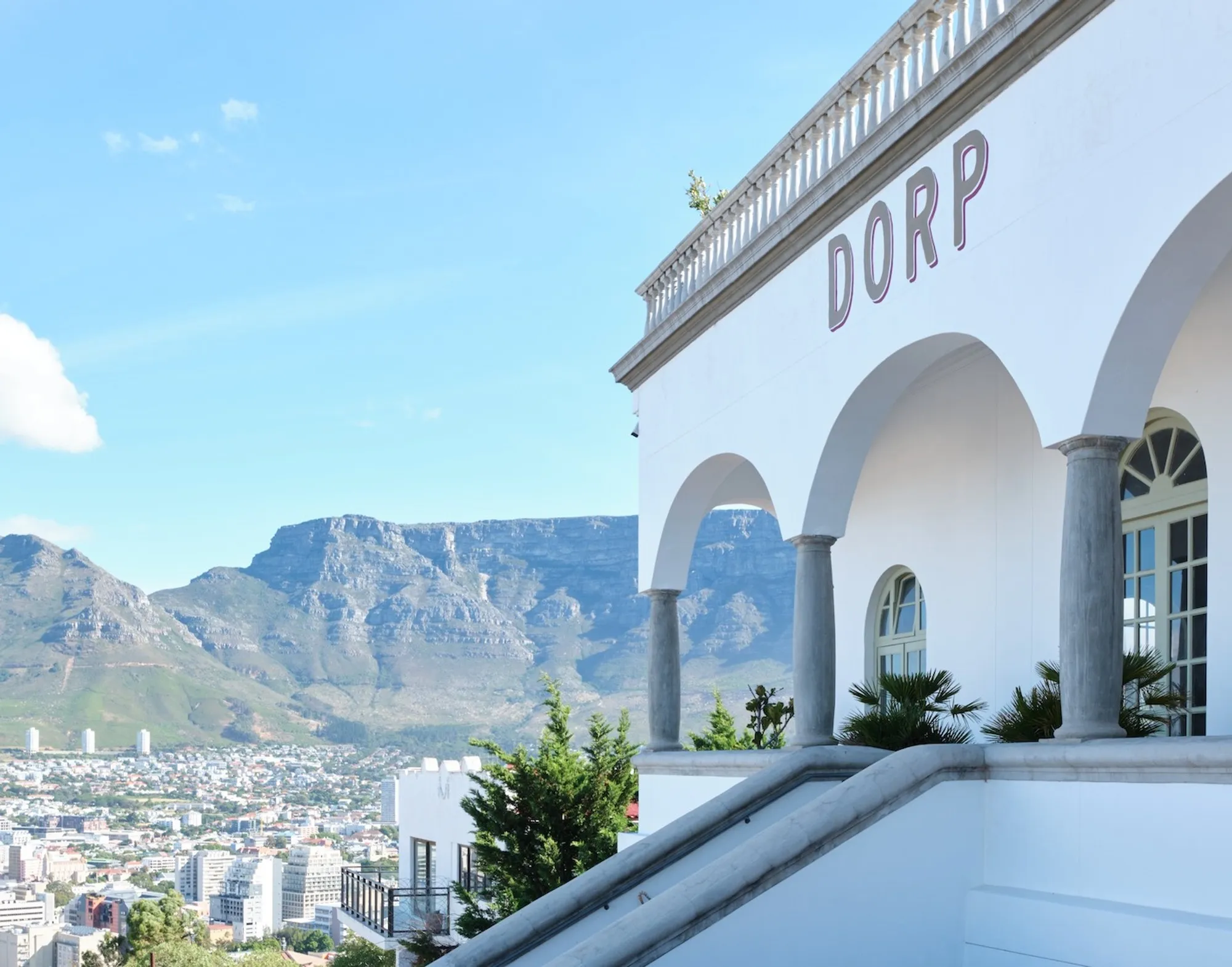
Minimalist sanctuary on Signal Hill with views of Table Mountain. Every element speaks intention—weathered wood, stone, linen softening with time. Intimate rooms feel like thoughtfully curated homes. Service is so understated it feels like friendship.
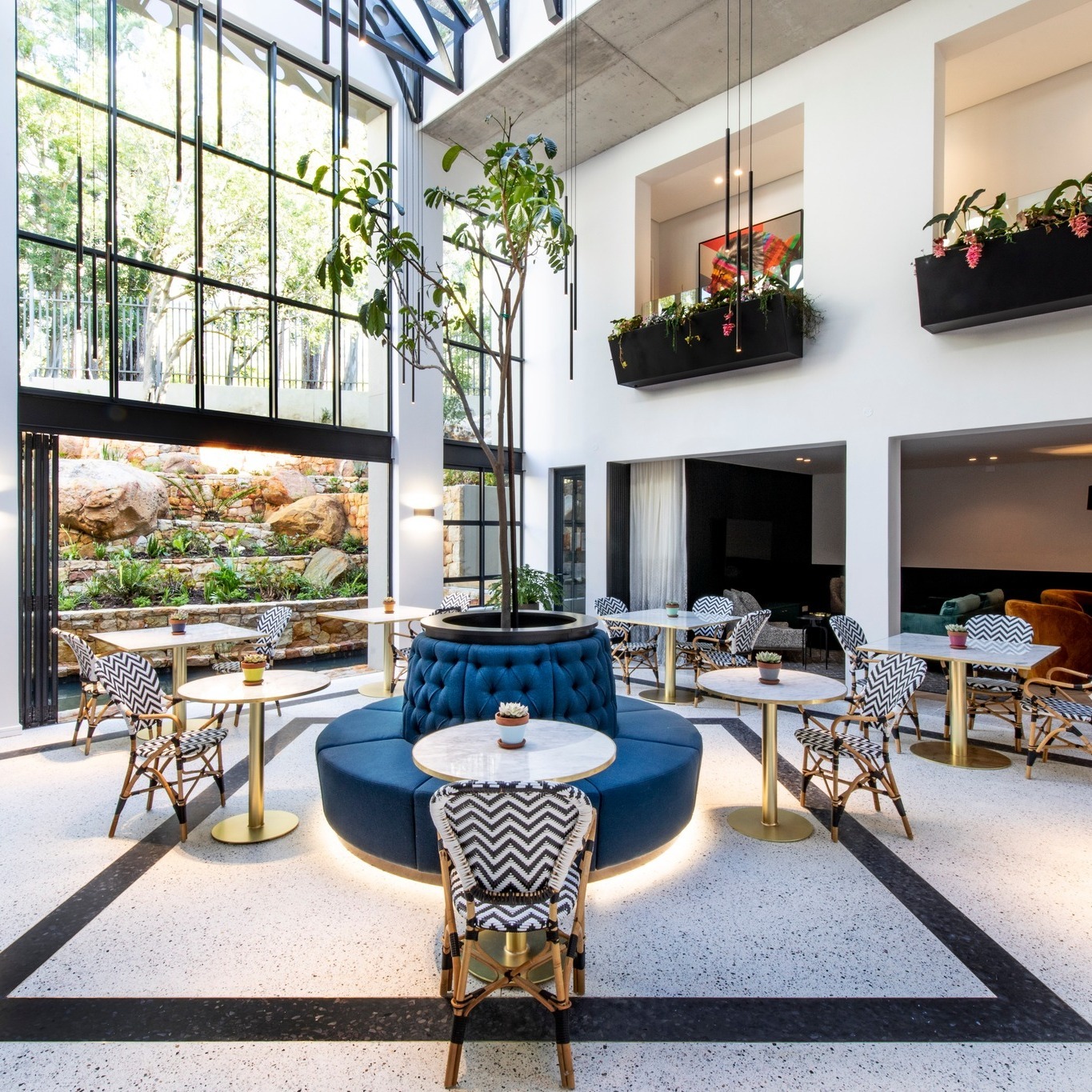
The garden retreat stands apart from waterfront bustle, offering peace without isolation. Breakfast is exceptional. A rooftop terrace captures the entire city. Architecture and design merit solo appreciation. Located in Bo-Kaap.

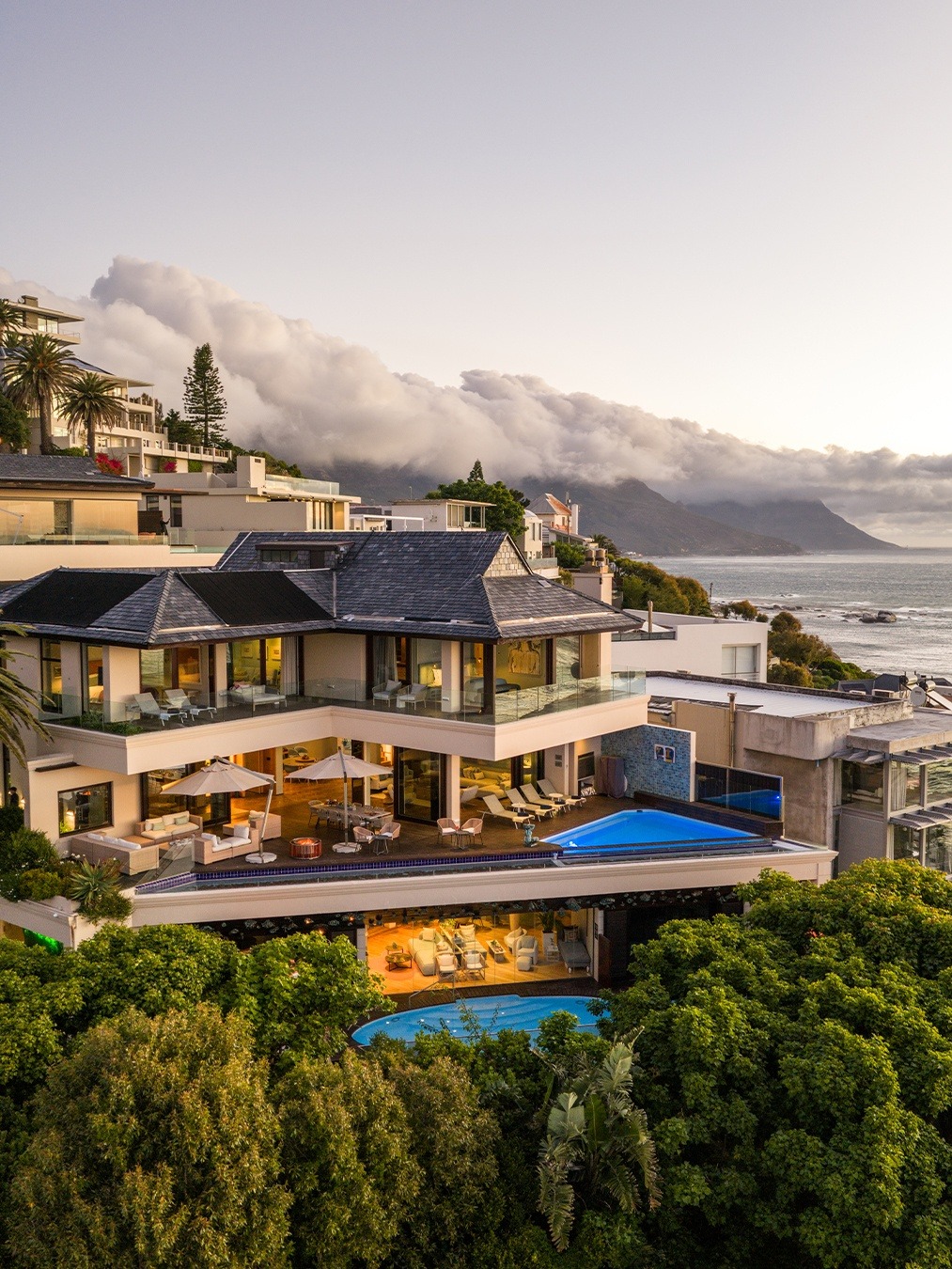
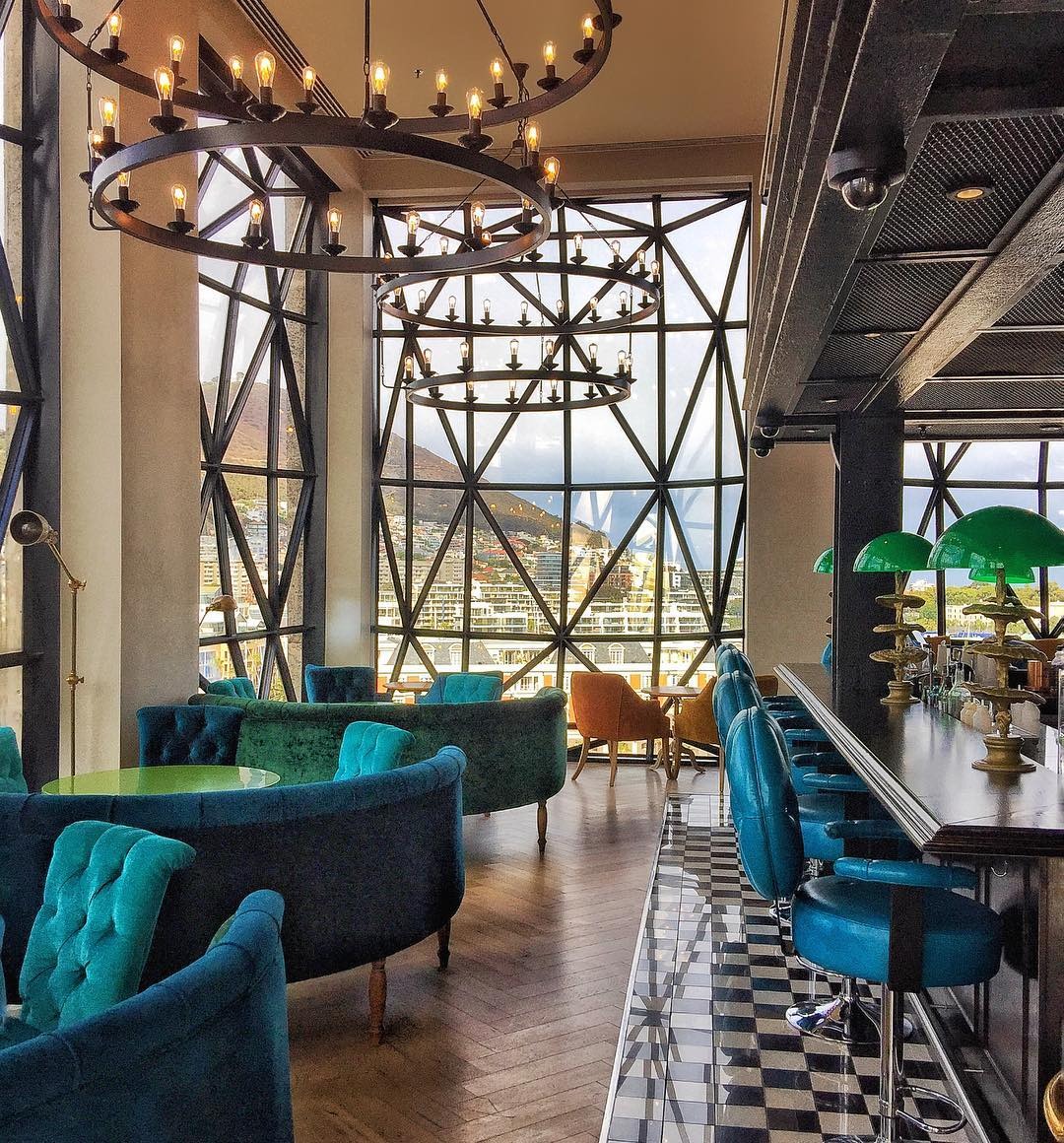
Towering sanctuary perched above Bantry Bay, overlooking the Atlantic. Art and wine converge with ocean views that render words obsolete. Private art collection and 10,000-bottle wine cellar transform accommodation into cultural immersion. Each suite meticulously curated; many offer private terraces. Restaurant pairs Cape produce with international technique. Service orchestrated with precision that feels effortless. Clifton beaches nearby. Wine tastings available. A complete luxury experience.
Book it
Eight suites on mountain slopes designed with Cape fynbos and native wildlife inspiration. Views—Table Mountain, Atlantic Ocean, city bowl—shift throughout the day like living paintings.
Fully inclusive: premium drinks, nourishing breakfasts, 24-hour butler service. Significant art collection; thoughtful wine selection. Pool overlooks the city. Service arrives with warmth and anticipation. This teaches what luxury means when you stop counting amenities and feel cared for.


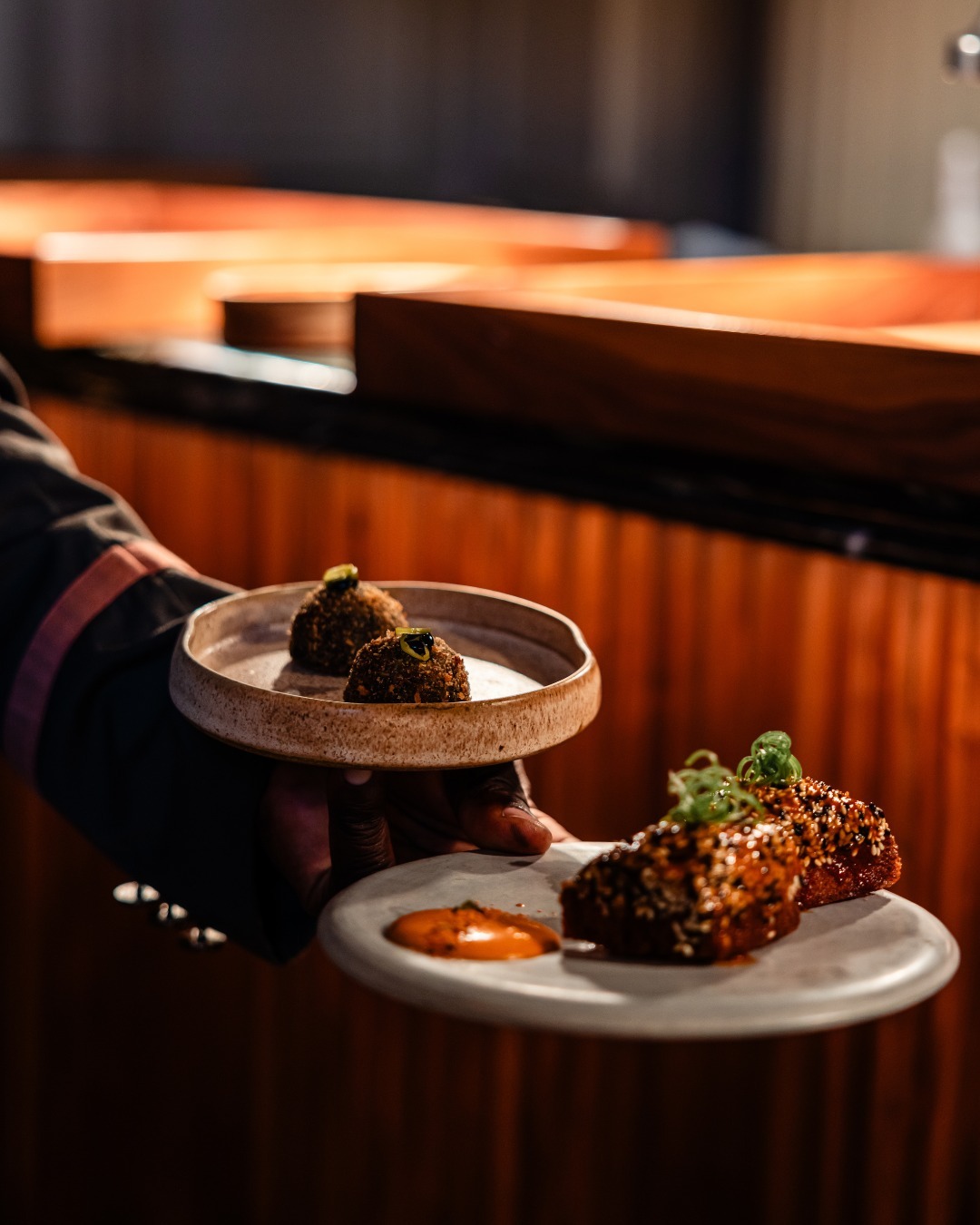
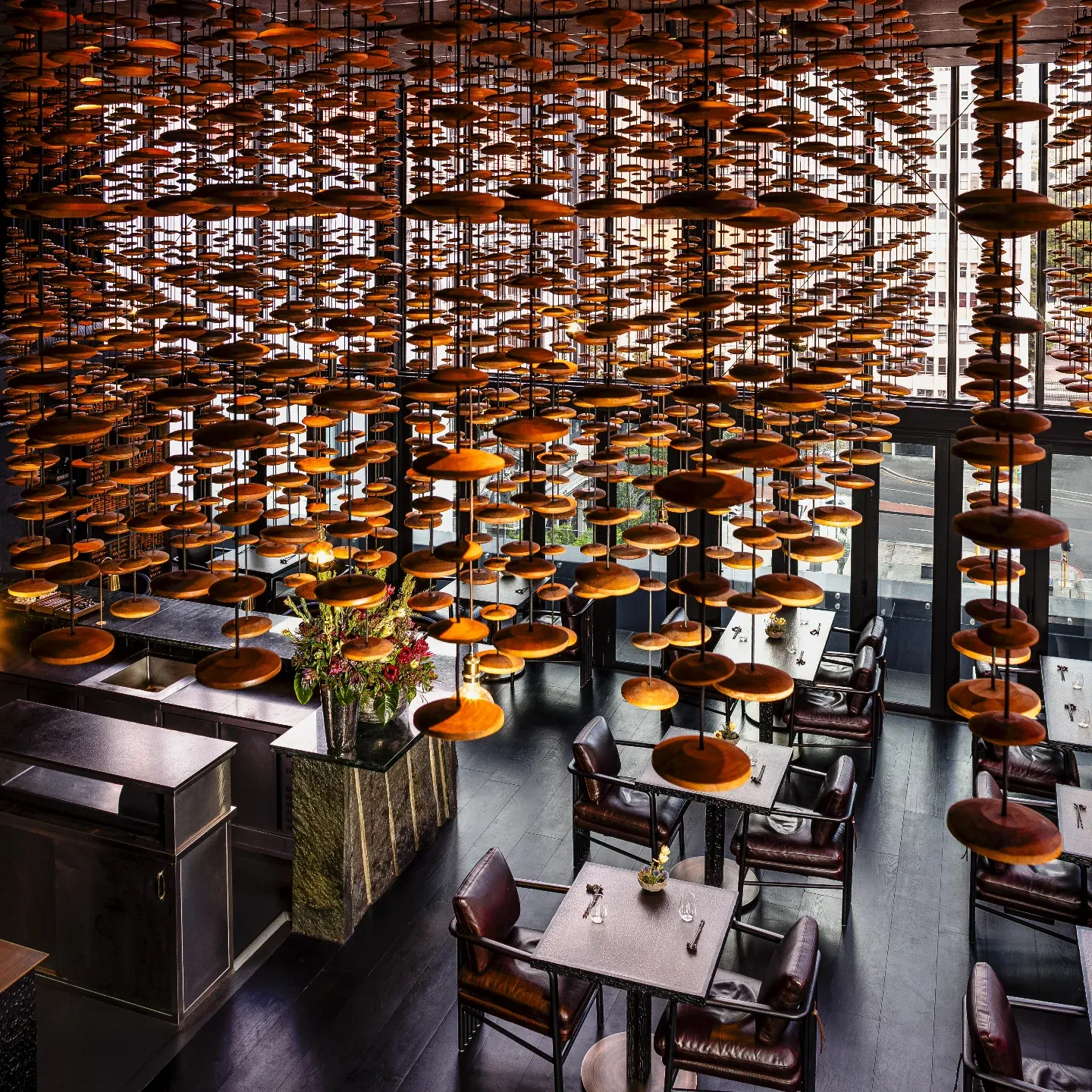
FYN does not announce itself. Five floors up on Parliament Street, the room is dark and considered; the food more so. Afro-Japanese technique, Cape ingredients, Kalahari truffle. Chef Peter Tempelhoff and Ashley Moss have built Africa's most decorated restaurant without once raising their voice about it. World's 50 Best, 2025.


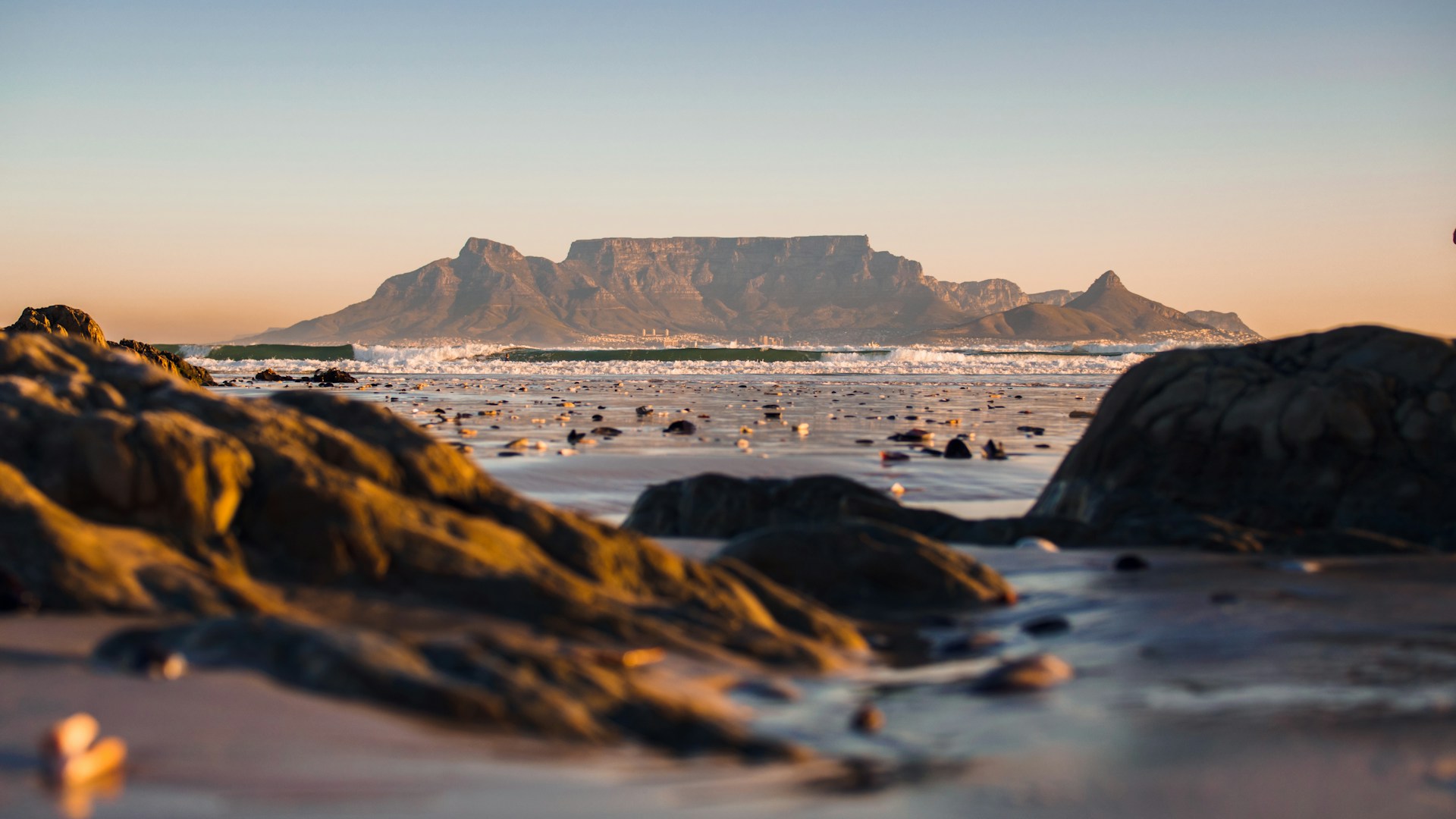
Table Mountain
The mountain defines Cape Town—not backdrop but character. Perspectives shift as you ascend. Fynbos vegetation paints slopes in colour. Kirstenbosch Gardens anchors the National Park. The cableway rotates 360 degrees; hiking routes invite contemplation. From above, the city becomes comprehensible.
Why Go: To understand how landscape shapes a city's identity; to breathe at altitude and see everything clearly.

Robben Island
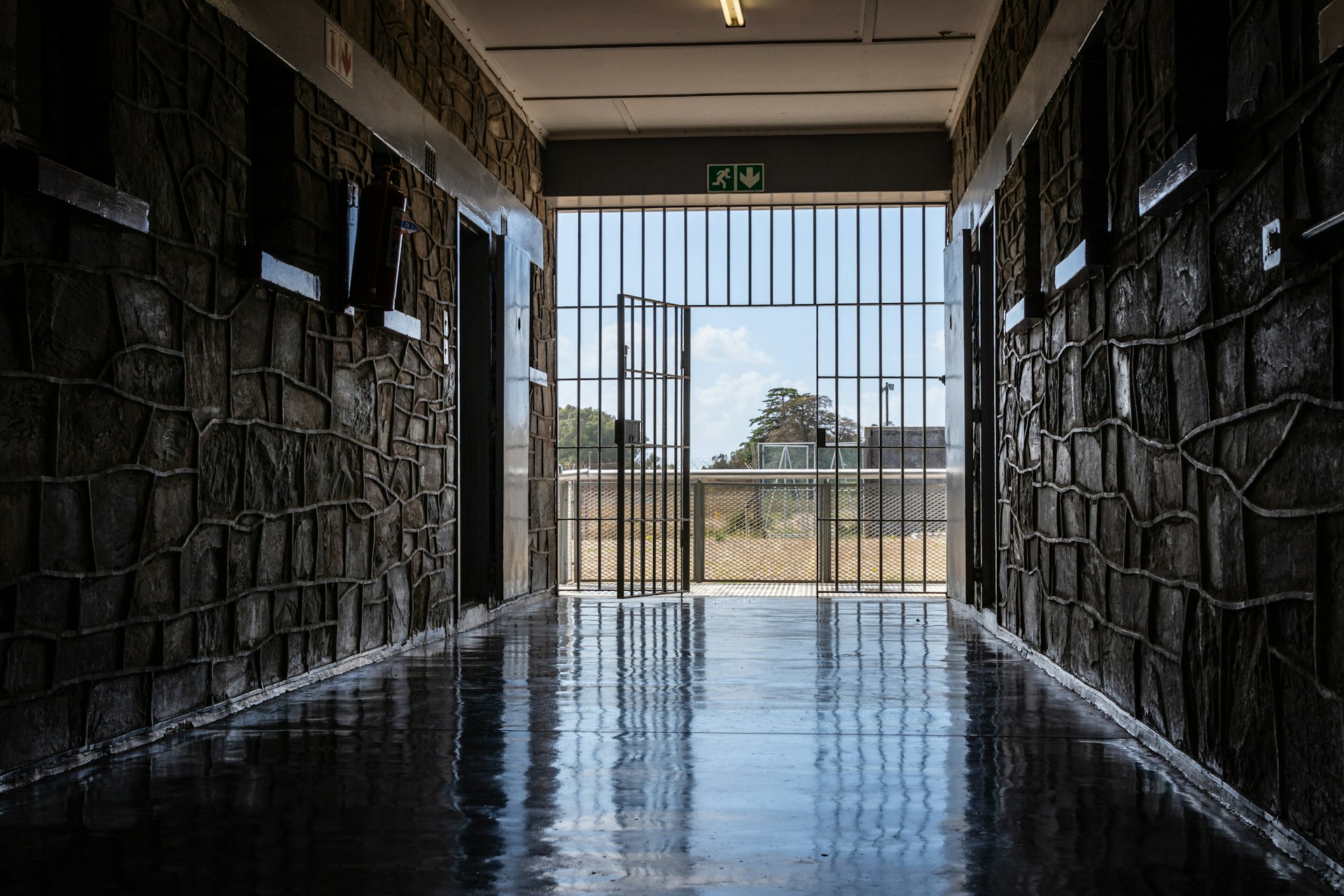
UNESCO World Heritage Site where history lives with weight. Guided tours led by former political prisoners, limestone quarries, cells—spaces that teach what reading cannot. This is not easy history, but necessary. A reminder that freedom required sacrifice and that remembrance honours resilience.
Why Go: To witness spaces where resilience was forged; to listen to stories that reshape understanding of freedom and human dignity.

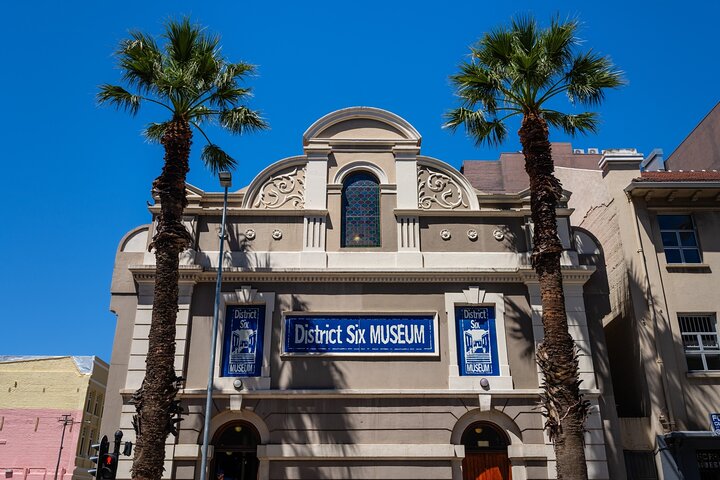
District Six Museum
Former Methodist church preserving memory of a neighbourhood destroyed by apartheid. Street signs, photographs, personal items render systematic displacement visible and human. Where policy becomes personal; history demands reckoning. Transformative encounter with resilience.
Why Go: To witness how personal memory resists historical erasure; to understand that reckonings demand presence.

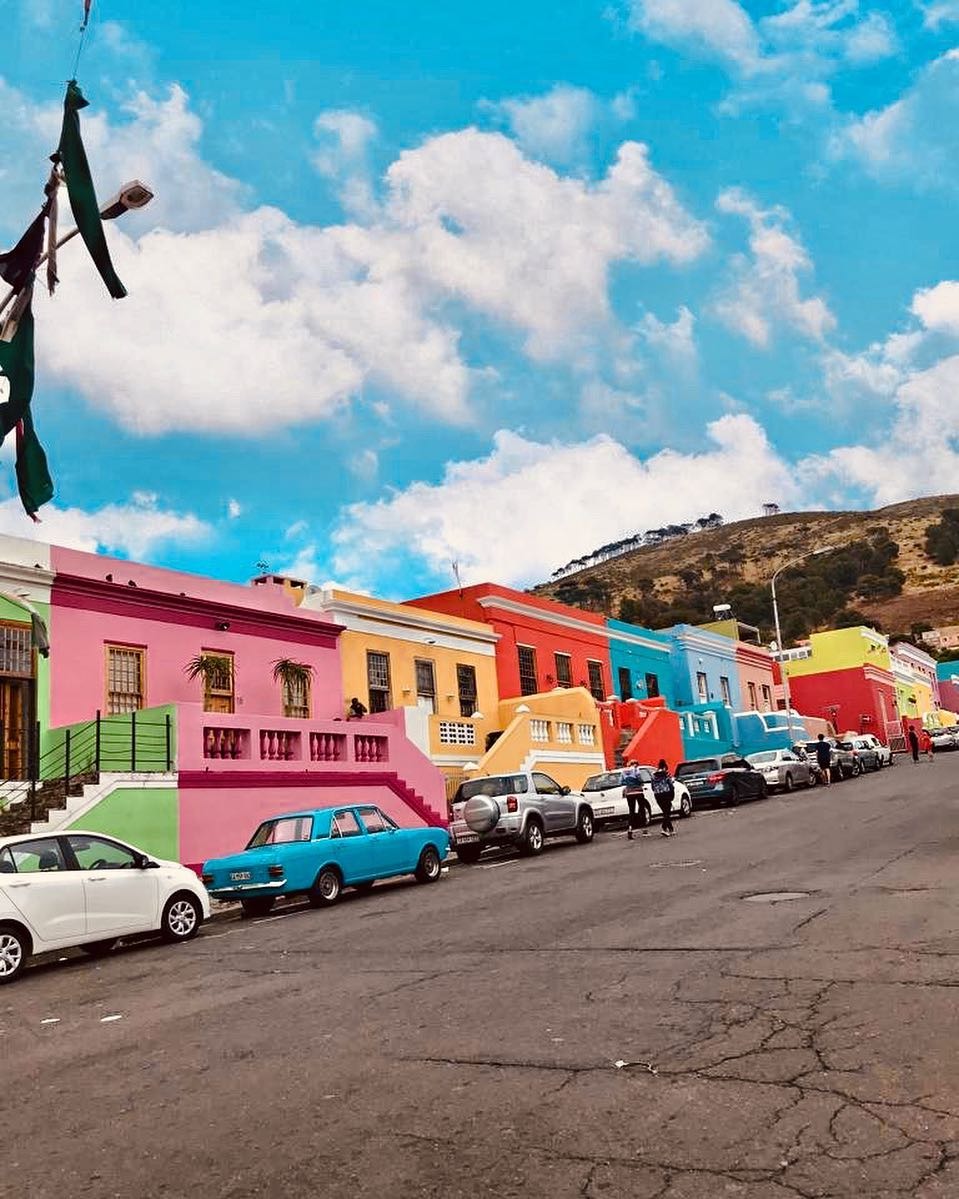
Bo-Kaap & Woodstock
Two neighbourhoods concentrating Cape Town's artistic identity. Bo-Kaap displays geometric colour—cobalt, magenta, yellow—across 18th-century homes. Woodstock houses galleries, street art, design studios. Queer perspectives feature naturally. Cultural expression is lived. The city's creative heartbeat.
Why Go: To experience where culture isn't preserved in museums but lived in streets; where creativity is defiant and queer.
YOU BELONG EVERYWHERE.
© 2026 OUTINRY.